

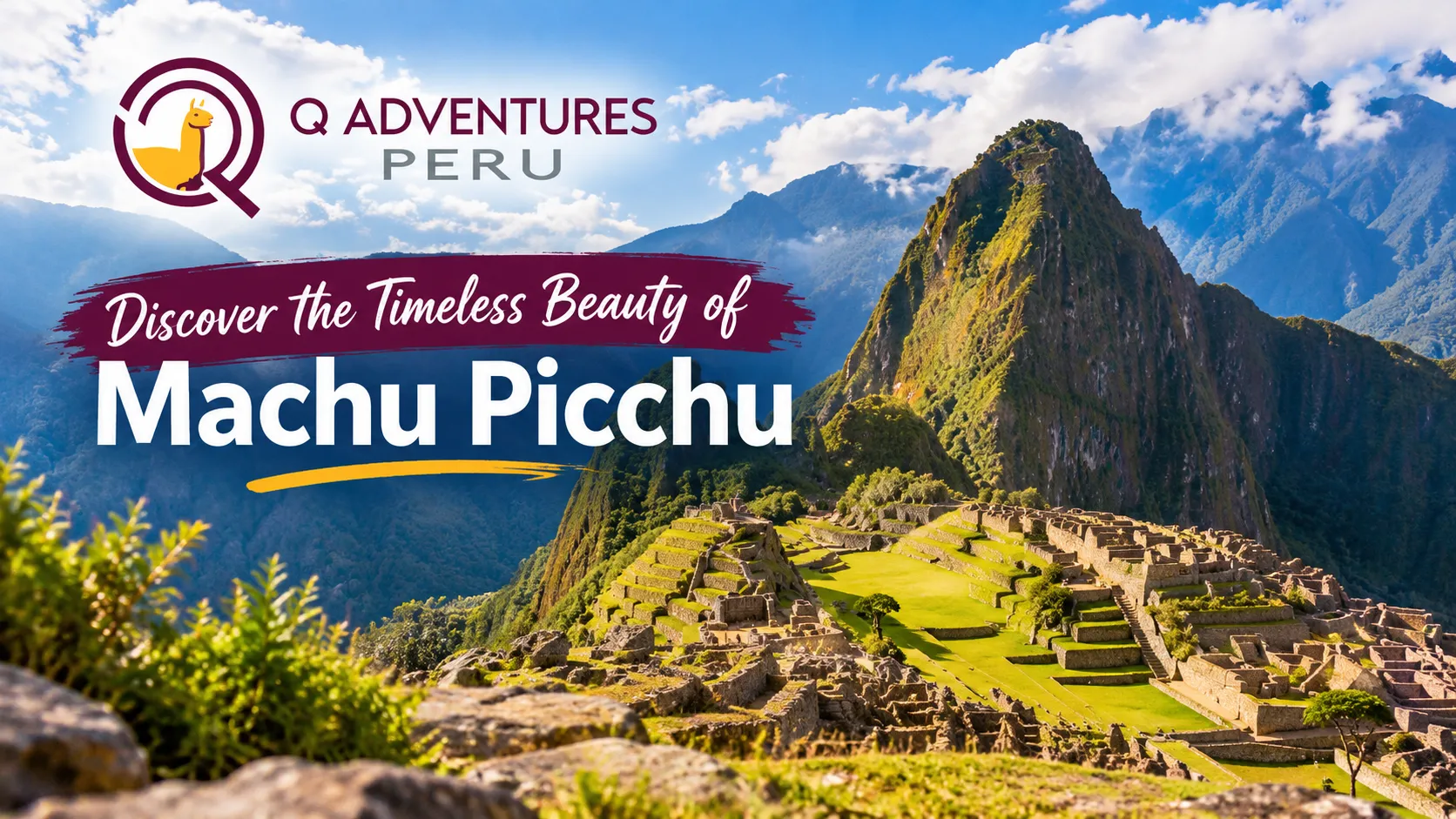
Hidden among the spectacular peaks of the Peruvian Andes, Machu Picchu stands as one of the world’s most extraordinary archaeological destinations. This ancient Inca citadel combines impressive stone architecture, fascinating history, and breathtaking mountain scenery, creating an unforgettable experience for travelers from every corner of the globe. Its terraces, temples, stairways, and carefully constructed walls reveal the remarkable abilities of a civilization that flourished centuries ago.
Exploring this historic sanctuary is about more than admiring its famous views. Visitors can discover the engineering techniques, cultural traditions, and natural environment that shaped the Inca world. Choosing a machu picchu guided hike can make the experience even more rewarding by providing historical explanations, practical assistance, and opportunities to appreciate details that might otherwise go unnoticed.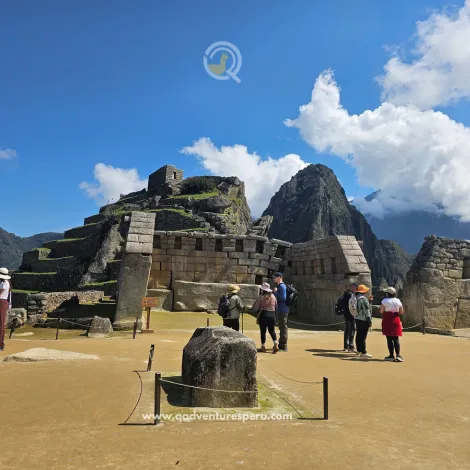
The Fascinating History of Machu Picchu
Machu Picchu was built during the fifteenth century, during the height of the Inca Empire. Although its exact original purpose continues to be studied, researchers have proposed that it served as a royal estate, ceremonial center, and important settlement connected to the surrounding region.
The site reflects the Incas’ extraordinary ability to construct buildings and agricultural systems in a challenging mountain environment. Rather than fighting against the landscape, they adapted their designs to the steep slopes, natural rock formations, and available water sources.
Machu Picchu became widely known internationally following the expedition led by Hiram Bingham in 1911, although local communities were already familiar with the area. Today, it is recognized as a UNESCO World Heritage Site and remains one of Peru’s most important cultural landmarks.
Learning about this history adds depth to every step through the citadel. A knowledgeable guide can explain the differences between architectural areas, discuss established archaeological interpretations, and help visitors understand how the site relates to the broader Inca civilization.
Marvel at the Remarkable Inca Architecture
One of the most impressive aspects of Machu Picchu is its stonework. Inca builders shaped large blocks of stone and fitted them together with remarkable precision, often without mortar. Many walls have survived centuries of environmental exposure and seismic activity.
Look closely at the trapezoidal doorways, carefully arranged foundations, and slightly inward-sloping walls. These features contributed to the stability of the structures while creating the distinctive architectural style associated with Inca construction.
The agricultural terraces are equally impressive. Built along the mountainsides, they helped create usable growing areas while supporting drainage and reducing soil erosion. Their arrangement demonstrates how the Incas combined practical engineering with an understanding of the natural terrain.
Walking through these architectural spaces provides an opportunity to appreciate the complexity of the ancient settlement. With a machu picchu guided hike, you can learn about the construction techniques, examine important structures from designated viewpoints, and discover how the different areas of the citadel functioned together.
Explore the Sacred and Ceremonial Areas
Machu Picchu contains several structures associated with religious practices, astronomical observations, and ceremonial activities. Among the best-known are the Temple of the Sun, the Temple of the Three Windows, and the Intihuatana stone.
The Temple of the Sun features distinctive curved stonework and is often associated with solar observations and religious traditions. Its design differs from many of the rectangular buildings elsewhere in the citadel, highlighting the diversity of Inca architectural techniques.
The Temple of the Three Windows is recognizable for its large openings overlooking the surrounding landscape. Researchers have explored different interpretations of its symbolism and function, making it an especially interesting place to learn about Inca beliefs and architecture.
The Intihuatana is another notable feature. Its name is commonly translated as “hitching post of the Sun,” although its precise function remains a subject of interpretation. The carved stone is frequently discussed in connection with astronomical observation and ceremonial practices.
Visitors should follow the designated walking circuit and respect all conservation restrictions. Access to individual structures may vary depending on current regulations and the route assigned with the entrance ticket.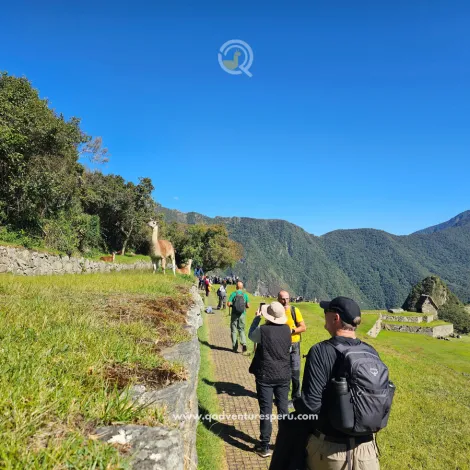
Discover the Natural Beauty of the Andes
The setting of Machu Picchu is as remarkable as its architecture. Surrounded by steep green mountains and deep valleys, the citadel occupies a dramatic position where the Andes meet the cloud forest. Changing weather conditions create an atmosphere that can shift from clear mountain views to mist-covered ruins within a short period.
The surrounding environment supports a variety of plants and wildlife. Orchids, ferns, mosses, and other vegetation grow in the humid mountain ecosystem, while different bird species inhabit the surrounding forests. Wildlife sightings depend on the season and conditions, so visitors should observe animals quietly and avoid disturbing their habitats.
The landscape also reveals how closely the Inca settlement was connected to its surroundings. Agricultural terraces follow the mountain contours, pathways connect different areas, and buildings occupy carefully selected locations within the terrain.
Photography enthusiasts will find numerous opportunities to capture the relationship between ancient stone structures and the surrounding peaks. However, weather can change rapidly, so keep your camera protected and allow flexibility in your schedule.
Choose the Right Hiking Experience
There are several ways to experience the landscapes around Machu Picchu, and the best option depends on your available time, fitness level, and interests. Some visitors prefer a guided walk through the archaeological citadel, while others choose a longer trekking route through the Andes before arriving at the ancient sanctuary.
Guided Walking Tours of the Citadel
A guided walking tour of Machu Picchu is ideal for travelers who want to understand the site’s history and architecture without completing a multiday trek. The route follows the circuit assigned with the admission ticket and usually includes designated viewpoints and archaeological areas.
These visits can be suitable for families, couples, solo travelers, and anyone interested in learning more about the Inca civilization. Before booking, confirm the walking duration, guide language, group size, and the areas included in the itinerary.
The Classic Inca Trail
The classic Inca Trail is a multiday trek that passes through mountain scenery, cloud forests, and archaeological sites before reaching Machu Picchu. The standard itinerary generally takes four days and involves long walking days, steep staircases, and sections at considerable altitude.
This option is best suited to travelers who want an immersive hiking experience and have time to prepare physically. Permits are limited, and reservations must be arranged through an authorized operator. The trail typically closes in February for annual maintenance, so confirm official operating dates before planning your trip.
The Short Inca Trail
The Short Inca Trail offers a shorter alternative for visitors who want to experience part of the historic route. Many itineraries take two days, combining a day of hiking with a visit to Machu Picchu the following day. Specific arrangements depend on the operator and ticket availability.
It can be a good option for travelers with limited time who still want to walk along an ancient Inca pathway and enjoy the surrounding landscapes.
Why Consider a Guided Hiking Experience?
Exploring Machu Picchu with a professional guide can help you understand its historical, cultural, and architectural significance. Rather than simply walking past the ruins, you can learn about the structures, the landscape, and the archaeological evidence that researchers use to interpret the site.
A guide can also help you navigate the designated circuit, explain visitor regulations, and organize the experience around your admission time. For longer treks, guided arrangements may include additional logistical support, depending on the selected package.
When comparing a machu picchu guided hike, review what is included before making a reservation. Check whether the package covers entrance tickets, transportation, meals, accommodation, or trekking permits. These services vary considerably between short visits and multiday adventures.
Choose an authorized operator, confirm the guide’s language, and ask about emergency procedures for longer hikes. Clear communication helps you understand the physical demands and practical arrangements before departure.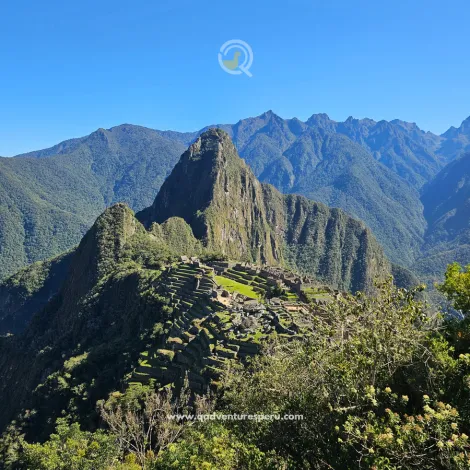
Prepare for the Altitude and Trail Conditions
Although Machu Picchu sits at a lower elevation than Cusco, reaching the region often involves travel through high-altitude destinations. Longer treks may also cross mountain passes where the air is thinner and physical effort can feel more demanding.
Give your body time to acclimatize before strenuous activity, especially if you have recently arrived in the Andes. Altitude sickness can affect people regardless of their fitness level, so take symptoms seriously and seek appropriate medical guidance if necessary.
- Wear comfortable footwear: Choose walking shoes or hiking boots with good traction and support.
- Bring water: Maintain hydration throughout the day, following your guide’s advice on refill options.
- Dress in layers: Mountain weather can shift between cool, humid, sunny, and rainy conditions.
- Pack rain protection: A lightweight waterproof jacket is useful, particularly during the wetter months.
- Use sun protection: Bring sunscreen, sunglasses, and a hat for exposed areas.
- Carry essential items: Pack identification, necessary medication, and any required travel documents.
- Respect your pace: Take breaks when needed and avoid rushing on steep or uneven paths.
For longer hikes, prepare in advance with regular walking and cardiovascular exercise. Training on hills or uneven terrain can help you become more comfortable with the physical demands of the trail.
Plan Your Visit to Machu Picchu
Careful planning can make the journey smoother. Most travelers reach Aguas Calientes, also known as Machu Picchu Pueblo, by train from the Cusco region or the Sacred Valley. From town, visitors generally continue to the entrance by authorized bus or on foot along the designated route.
Purchase admission tickets in advance through official channels because access is controlled by specific circuits and time slots. The ticket you select determines which areas you can visit, and availability can be limited during popular travel periods.
Consider spending a night in Aguas Calientes if you want to avoid a rushed day trip. This can make an early entrance easier to manage and provide time to rest after traveling through the mountains. If you prefer a day trip from Cusco, verify all train connections and transfer times before confirming your reservation.
When arranging a machu picchu guided hike, make sure the tour schedule matches your admission ticket and transportation plans. Confirm the meeting point, expected walking duration, cancellation terms, and any restrictions that could affect your itinerary.
Discover the Best Time to Visit
Machu Picchu can be visited during much of the year, but weather conditions and visitor numbers vary by season. The drier months, generally from May through September, often provide favorable conditions for hiking and sightseeing. These months are also popular, so tickets, transport, and accommodation may require early booking.
From approximately November through March, rainfall becomes more frequent. The landscape is often greener, but wet paths and cloudy conditions can affect walking comfort and visibility. February is particularly important for trekkers because the classic Inca Trail typically closes for maintenance, although Machu Picchu itself generally remains open subject to official rules.
There is no single ideal season for every visitor. Choose your dates based on your preferences, available time, and tolerance for changing weather. Before departure, check official updates about site access, trail conditions, and ticket availability.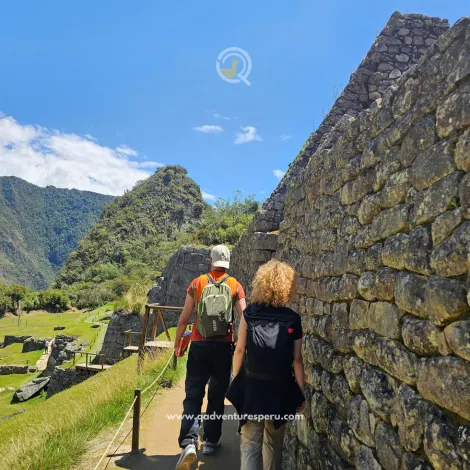
Respect the Heritage of Machu Picchu
Machu Picchu is a protected cultural and natural destination, and responsible behavior helps preserve its fragile archaeological remains. Stay on the authorized route, follow instructions from site personnel, and avoid touching, climbing, or leaning on ancient structures.
Carry your rubbish out, respect restrictions on food and equipment, and avoid disturbing wildlife. Photography equipment and personal belongings may be subject to entry rules, so check the latest visitor regulations before arriving.
Supporting responsible tourism can also benefit local communities. Consider using authorized guides and operators, purchasing services from local businesses, and learning about the region’s traditions with respect and curiosity.
Make Your Journey Unforgettable
Machu Picchu is a destination where history, architecture, and nature come together in a remarkable setting. Its carefully fitted stone walls, agricultural terraces, ceremonial structures, and surrounding mountains offer countless opportunities for discovery.
A well-planned machu picchu guided hike can help you appreciate these features while making your visit more informative and organized. Whether you choose a short walk through the citadel or a multiday trek along the ancient Inca Trail, preparation and respect for the site will make a meaningful difference.
Take time to observe the details, listen to the stories behind the ruins, and appreciate the extraordinary relationship between the Inca builders and their environment. With thoughtful planning, your visit can become more than a sightseeing excursion: it can be a lasting connection with one of Peru’s most treasured cultural landmarks.