

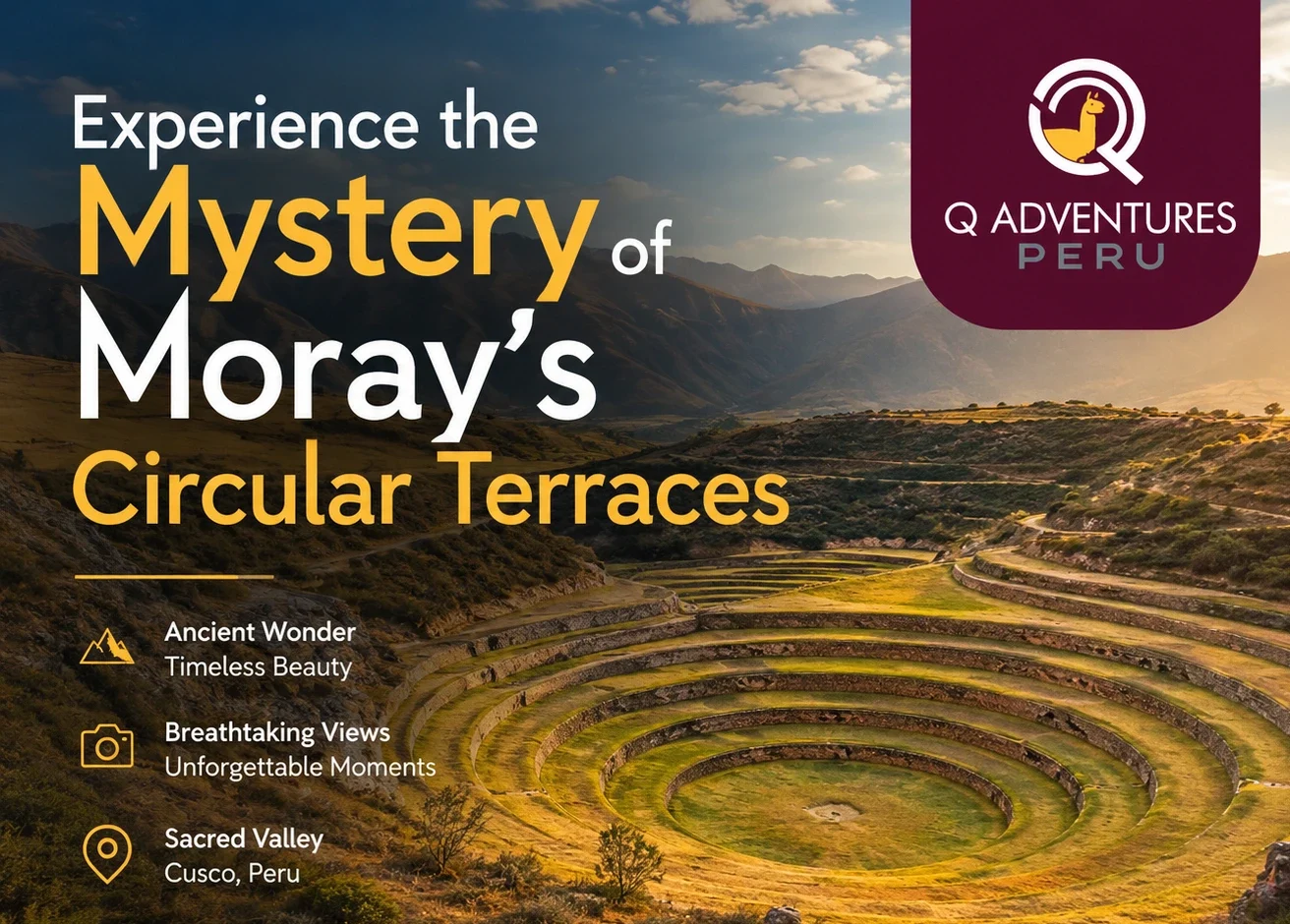
Moray is one of the most fascinating archaeological sites in Peru and a hidden treasure of the Sacred Valley. Famous for its enormous circular terraces, this ancient Inca complex continues to intrigue archaeologists, historians, and travelers from around the world. Whether you are passionate about history, agriculture, or breathtaking landscapes, Moray offers a unique experience that goes far beyond a typical sightseeing tour.
Visiting this remarkable destination allows you to discover the ingenuity of the Inca civilization while enjoying spectacular views of the Andes Mountains.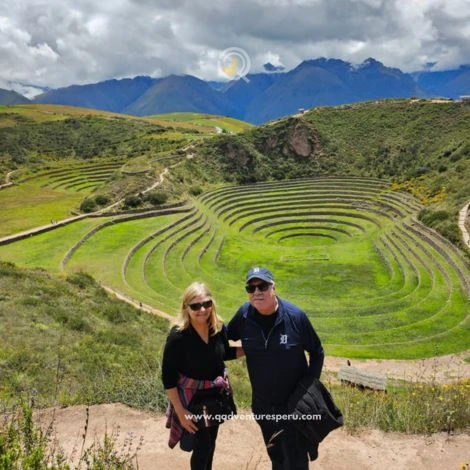
The History Behind Moray
Moray is believed to have been an important agricultural research center during the Inca Empire. Although its exact purpose remains uncertain, many experts believe the Incas used the circular terraces to experiment with different crops by creating distinct microclimates.
The site’s innovative design demonstrates the advanced scientific knowledge that allowed the Incas to cultivate food in diverse environmental conditions.
Today, it remains one of the most remarkable examples of ancient agricultural engineering in South America.
The Incredible Circular Terraces
The highlight of Moray is its impressive system of concentric terraces that descend more than 30 meters into the earth. Each level experiences slightly different temperatures, sunlight, and humidity, creating natural environmental variations.
Researchers believe these conditions enabled the Incas to test crops from different regions before introducing them throughout the empire.
The precision of the construction continues to amaze visitors and scientists alike.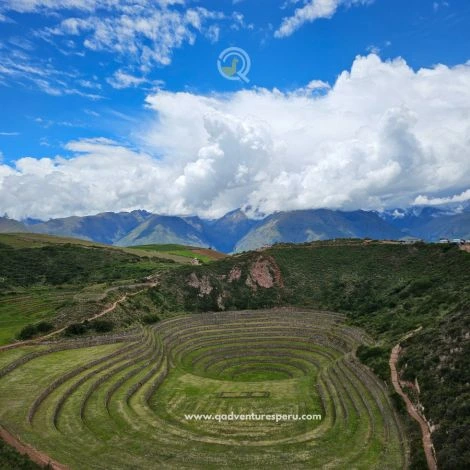
Why Moray Is Unique
Unlike many archaeological sites focused on temples or military structures, Moray represents the agricultural innovation of the Inca civilization. Its unusual circular design has no equivalent anywhere else in Peru.
The combination of scientific knowledge, engineering, and environmental adaptation reflects the extraordinary achievements of the ancient Andean culture.
Every visit offers a deeper appreciation of how the Incas understood and worked with nature.
Natural Beauty Surrounding Moray
Beyond its archaeological importance, Moray is surrounded by stunning mountain scenery, green valleys, and traditional farming communities. The peaceful landscape makes it one of the most photogenic destinations in the Sacred Valley.
Visitors often combine the site with nearby attractions such as the Maras Salt Mines, creating a full day of exploration through one of Peru’s most beautiful regions.
The fresh mountain air and panoramic views make every visit unforgettable.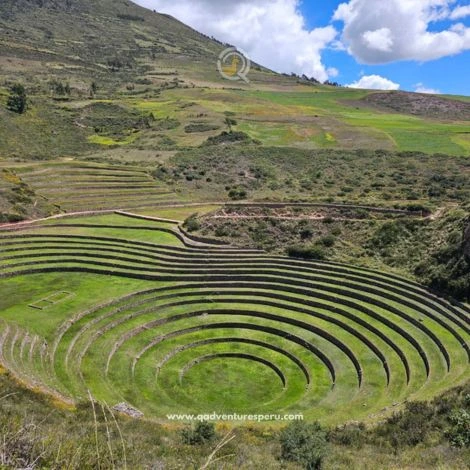
Travel Tips for Visiting Moray
Planning ahead helps visitors enjoy Moray comfortably while making the most of the experience.
- Wear comfortable walking shoes suitable for uneven terrain.
- Bring sunscreen, sunglasses, and a hat.
- Carry water to stay hydrated at high altitude.
- Visit during the morning for clearer skies and fewer crowds.
- Bring a camera to capture the spectacular circular terraces.
- Consider visiting together with the Maras Salt Mines.
Frequently Asked Questions
- What is Moray famous for?
It is known for its unique circular agricultural terraces built by the Inca civilization.
- Where is Moray located?
It is situated in the Sacred Valley, approximately 40 kilometers northwest of Cusco.
- Why did the Incas build Moray?
Most researchers believe it served as an agricultural laboratory to study crop adaptation under different environmental conditions.
- Can I visit Moray in one day?
Yes. Most travelers combine the site with Maras and other attractions in the Sacred Valley.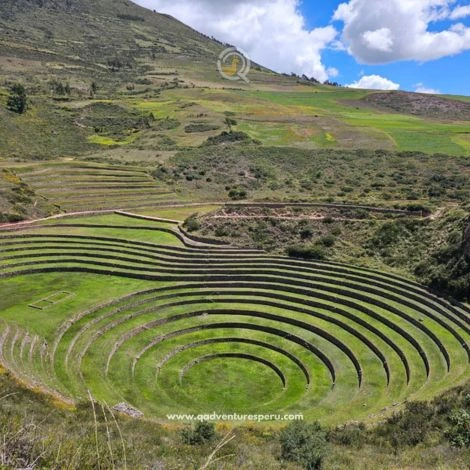
Conclusion
Moray is one of Peru’s most extraordinary archaeological destinations, offering visitors a fascinating combination of history, science, engineering, and natural beauty. Its mysterious circular terraces continue to inspire curiosity while showcasing the remarkable achievements of the Inca civilization. Whether you are exploring the Sacred Valley for the first time or returning to discover its hidden treasures, Moray promises an unforgettable journey into the heart of ancient Peru.
“`