

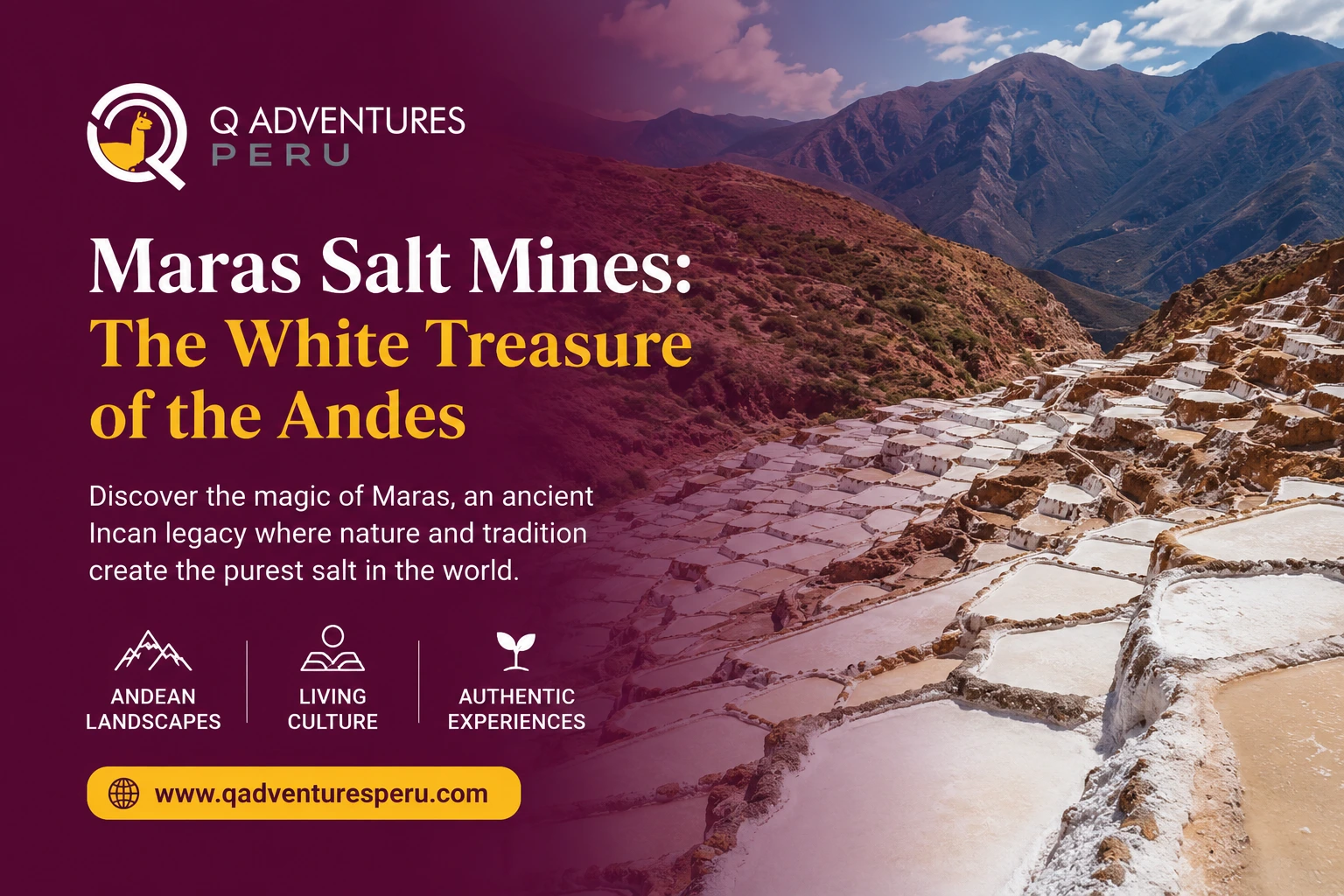
The maras salt flats are one of the most extraordinary attractions in Peru’s Sacred Valley. Composed of thousands of shimmering salt pools cascading down the mountainside, this remarkable site has been used for salt production since pre-Inca times. Today, visitors from around the world come to admire its unique beauty, learn about traditional salt-harvesting techniques, and experience one of the Andes’ most fascinating cultural landscapes.
Surrounded by breathtaking mountain scenery, the Maras Salt Mines offer a perfect combination of history, culture, and nature.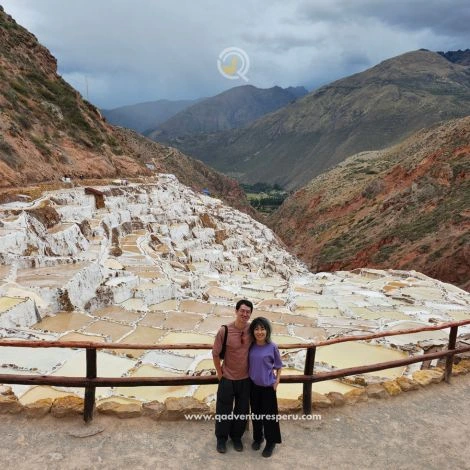
The History of the Maras Salt Mines
The maras salt flats have been an important source of natural salt for centuries. Mineral-rich water flows from a nearby underground spring into thousands of shallow pools, where evaporation leaves behind high-quality salt that local families continue to harvest using traditional methods.
This ancestral practice has been preserved for generations and remains an essential part of the local economy.
The site represents an outstanding example of sustainable resource management.
How Salt Is Harvested
One of the highlights of visiting the maras salt flats is observing the traditional harvesting process. Each salt pond is carefully managed by local families who control the flow of water, allowing the salt to crystallize naturally under the Andean sun.
The harvested salt is then collected, cleaned, and prepared for local use and international markets.
This centuries-old process continues almost exactly as it did during Inca times.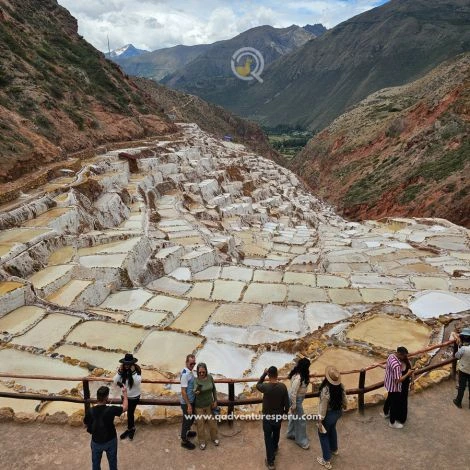
Breathtaking Andean Landscapes
The maras salt flats are surrounded by spectacular mountains, fertile valleys, and picturesque villages. The striking contrast between the brilliant white salt pools and the green Andean landscape creates one of Peru’s most photogenic destinations.
Visitors can enjoy panoramic viewpoints that reveal the incredible scale of the salt terraces.
Every season offers a different perspective of this remarkable natural wonder.
A Cultural Experience
Beyond their visual beauty, the maras salt flats offer visitors an authentic cultural experience. Local communities continue to preserve traditional harvesting techniques while sharing the history and significance of the site with travelers from around the world.
Purchasing locally produced salt products directly supports the families who maintain this extraordinary tradition.
The experience provides valuable insight into Andean heritage and sustainable tourism.
Planning Your Visit
Many travelers combine a visit to the maras salt flats with nearby attractions such as Moray and other Sacred Valley destinations. Comfortable walking shoes, sunscreen, and a camera are recommended for enjoying the visit.
Morning visits often provide the best lighting for photography and pleasant weather conditions.
The site is easily accessible on most Sacred Valley tours from Cusco.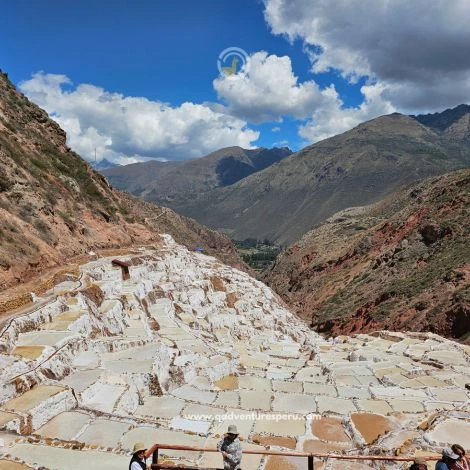
Travel Tips
- Wear comfortable shoes suitable for uneven paths.
- Bring sunscreen, sunglasses, and a hat.
- Carry water, especially during the dry season.
- Visit in the morning for the best lighting.
- Support local families by purchasing traditional salt products.
- Combine your visit with nearby Moray for a full-day excursion.
Frequently Asked Questions
- Where are the Maras Salt Mines located?
They are located in the Sacred Valley, approximately 40 kilometers from Cusco.
- Why are the Maras Salt Mines famous?
They are known for their thousands of traditional salt evaporation pools and centuries-old harvesting techniques.
- Can visitors walk through the site?
Yes. Designated paths allow visitors to safely explore and photograph the salt terraces.
- Is the salt still produced today?
Yes. Local families continue harvesting salt using traditional methods passed down through generations.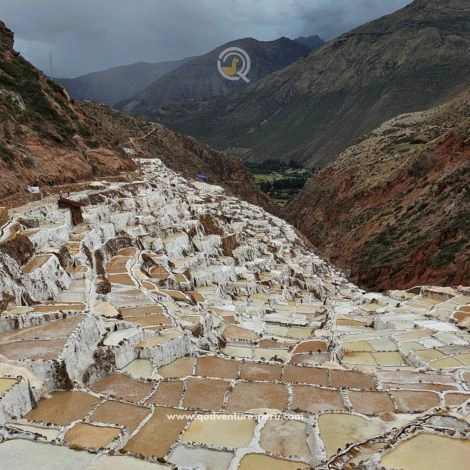
Conclusion
The maras salt flats are one of Peru’s most remarkable cultural and natural attractions. Combining breathtaking scenery, ancient traditions, and sustainable salt production, they offer an unforgettable experience for travelers exploring the Sacred Valley. Whether you are interested in history, photography, or authentic Andean culture, the Maras Salt Mines deserve a place on every Peru travel itinerary.