

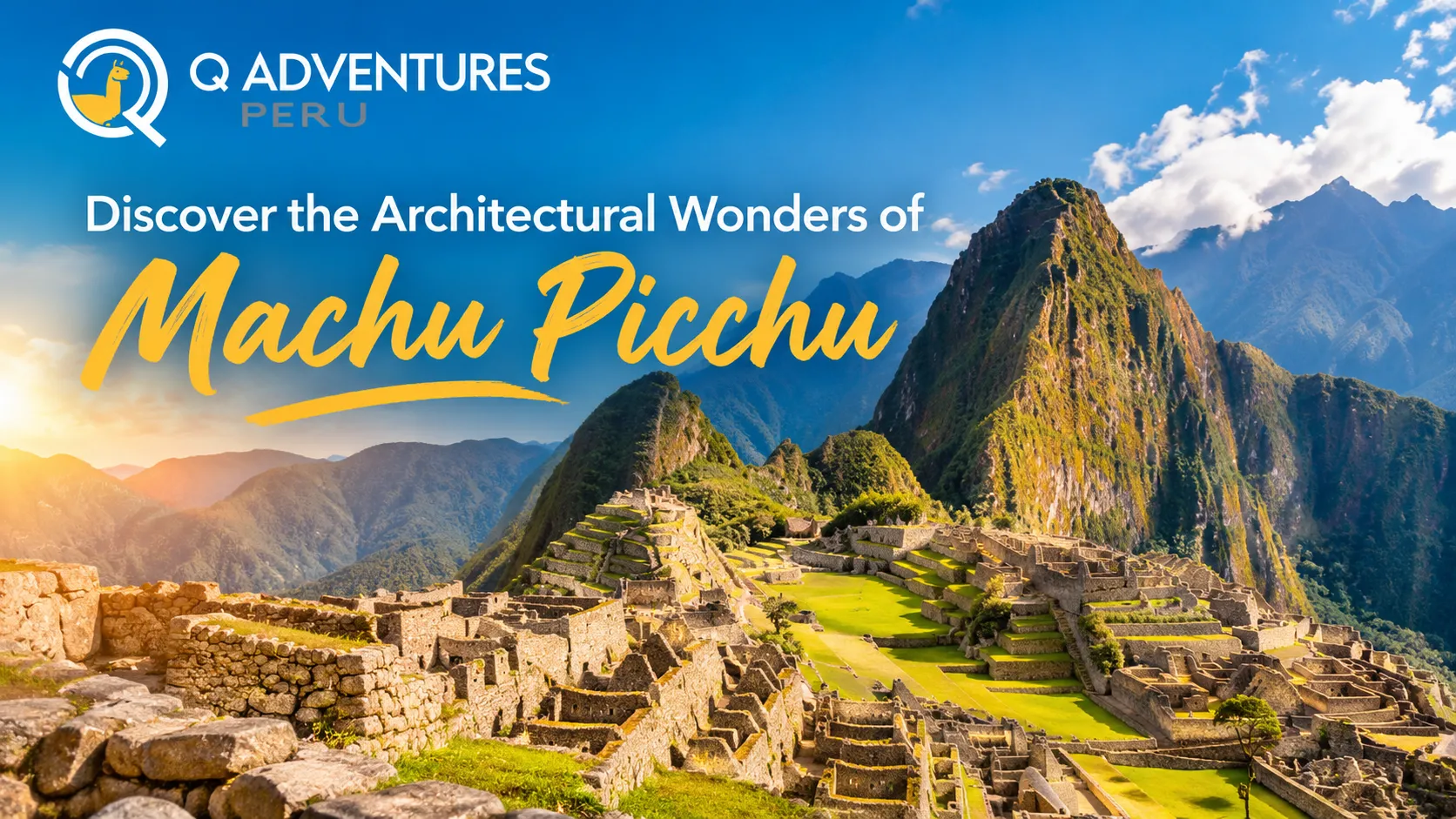
Machu Picchu is one of the world’s most extraordinary archaeological destinations, celebrated for its remarkable stonework, ingenious engineering, and breathtaking location among the Peruvian Andes. Built by the Incas during the fifteenth century, this ancient citadel reveals a sophisticated understanding of architecture, agriculture, astronomy, and the natural environment. Every terrace, doorway, and carefully fitted stone offers clues about the civilization that created this remarkable place.
Planning a visit involves more than choosing a sightseeing route. Travelers must also consider transportation, entrance tickets, accommodation, and time to explore the surrounding region. Researching places to stay in machu picchu can help you organize a comfortable visit, whether you want to spend a night in Aguas Calientes, explore the archaeological site early in the morning, or extend your journey through the Sacred Valley.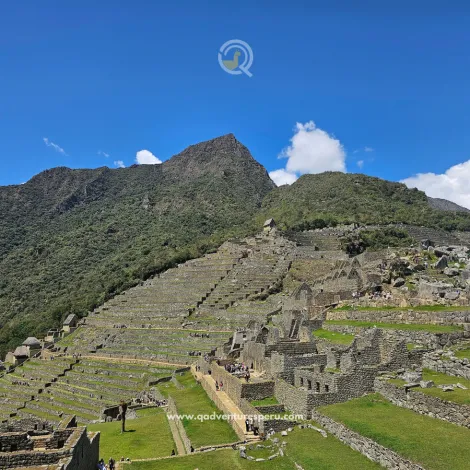
The Architectural Genius of Machu Picchu
Machu Picchu demonstrates how the Incas adapted their construction techniques to a steep mountain environment. Rather than reshaping the entire landscape, they designed buildings and agricultural terraces that worked with the natural slopes. Their approach combined practical engineering with a deep understanding of the surrounding mountains, water sources, and geological conditions.
Many structures were built using finely cut stones fitted together without mortar. The precision of this masonry is particularly impressive because many stones have irregular shapes while maintaining remarkably tight joints. This construction technique helped buildings withstand the seismic activity common in the Andes.
The citadel also features trapezoidal doorways, inward-sloping walls, and carefully arranged foundations. These elements contributed to structural stability and created the distinctive architectural style associated with Inca construction.
As you explore the archaeological complex, look beyond the most famous viewpoints. Pay attention to the relationship between buildings, terraces, stairways, and the surrounding terrain. These details reveal how architecture, daily activities, and the natural environment were connected.
Explore the Agricultural Terraces
One of the most striking features of Machu Picchu is its extensive system of agricultural terraces. These stepped platforms follow the contours of the mountainside, creating cultivable areas where the natural terrain would otherwise make farming difficult.
The terraces were part of a sophisticated landscape-management system. Their construction involved layers of soil, gravel, and drainage materials that helped manage rainfall and reduce erosion. This engineering was especially important in a region where steep slopes and seasonal precipitation can place considerable pressure on the ground.
The terraces also helped organize the agricultural landscape and contributed to the visual harmony of the citadel. Their curved lines follow the mountain’s contours, demonstrating how the Incas combined functionality with an impressive sense of design.
Visitors can appreciate these structures from designated viewpoints and walking routes. Stay within authorized areas and avoid stepping onto restricted terraces, as conservation efforts are essential to protecting the site for future generations.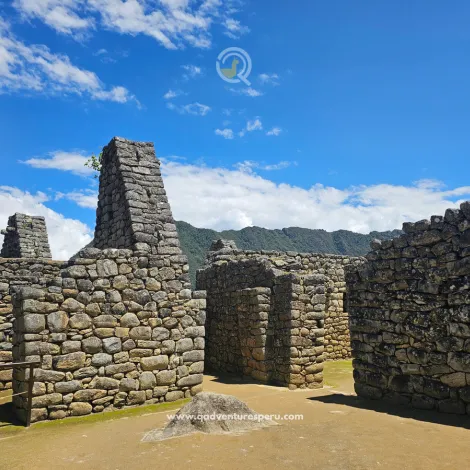
The Temple of the Sun and Its Sacred Design
The Temple of the Sun is among Machu Picchu’s most distinctive architectural structures. Its curved stonework differs from the more rectangular buildings found elsewhere in the citadel, making it an important example of Inca craftsmanship.
The structure is associated with solar observation and religious practices. Its placement and architectural features have led researchers to investigate how the Incas understood seasonal changes and the movement of the Sun. Although some interpretations remain debated, the building clearly demonstrates the importance of celestial observations in Inca culture.
Because access to individual structures can be restricted, visitors should follow the designated circuit and observe the temple from permitted areas. A knowledgeable guide can help explain its design and historical context without overstating what archaeologists know.
Discover the Sacred Plaza and Ceremonial Structures
The Sacred Plaza is another important area within Machu Picchu. It is surrounded by significant buildings that illustrate the relationship between architecture, political authority, and religious life in the Inca world.
Among the notable structures in this area are the Main Temple and the Temple of the Three Windows. The latter is especially recognizable for its large openings, which frame views of the surrounding mountains. These windows have inspired different interpretations regarding their symbolic and architectural significance.
The carefully constructed walls and open spaces suggest that the area served an important ceremonial function. The placement of buildings within the landscape also reflects the Inca practice of integrating natural features into the design of significant places.
Exploring these structures offers a deeper understanding of Machu Picchu beyond its iconic panoramic views. Take time to observe the stonework and the way each building relates to the surrounding mountains.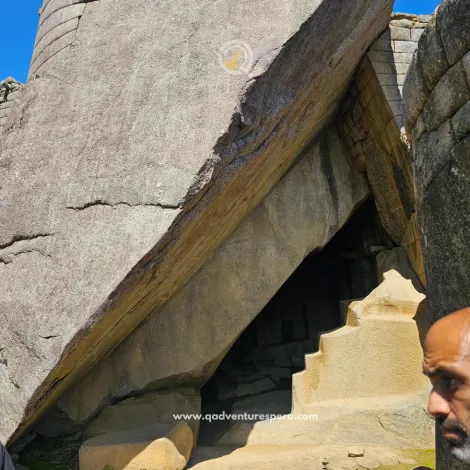
Understanding the Intihuatana Stone
The Intihuatana is one of Machu Picchu’s best-known ritual features. Its name is commonly translated as “hitching post of the Sun,” although interpretations of its precise purpose vary. The carved stone is often associated with astronomical observation and ceremonial practices.
Its location provides broad views of the surrounding landscape, and its form demonstrates the Incas’ ability to shape natural stone into carefully designed features. Researchers continue to study how such structures may have been used within the broader religious and astronomical traditions of the empire.
Visitors should respect restrictions around the stone and follow the site’s conservation guidelines. Touching or climbing on archaeological features can cause damage, even when the effects are not immediately visible.
How to Plan Your Visit to Machu Picchu
Good planning can make your experience more enjoyable and reduce the stress of coordinating transportation and entry times. Machu Picchu is reached through a combination of travel to the town of Aguas Calientes, also known as Machu Picchu Pueblo, and onward access to the archaeological site by authorized bus service or on foot along the designated route.
Most visitors travel from Cusco or the Sacred Valley by train, although available routes and transfer arrangements depend on the season and transport operator. Train schedules, road conditions, and ticket availability can affect your itinerary, so verify the details before departure.
When researching places to stay in machu picchu, consider how your accommodation fits into your travel schedule. Staying overnight in Aguas Calientes can make it easier to reach the entrance early the following morning without needing to travel from Cusco on the same day.
Book your Machu Picchu admission ticket in advance through the official ticketing channels. Entry is controlled by designated circuits and time slots, and availability may be limited during busy travel periods. Confirm the circuit you purchase so you know which areas you can visit.
Where to Stay Near Machu Picchu
Choosing the right accommodation depends on your budget, travel style, and planned activities. The town of Aguas Calientes is the main accommodation base for visitors to the archaeological site. It offers a range of lodging options, restaurants, cafés, shops, and transport connections.
Hotels in Aguas Calientes
Aguas Calientes has accommodation ranging from simple guesthouses to comfortable hotels with additional services. Staying in town allows you to rest after the journey, enjoy dinner, and prepare for an early visit to Machu Picchu.
When comparing places to stay in machu picchu, check the hotel’s location, recent guest reviews, breakfast arrangements, luggage storage, and cancellation conditions. If you have an early entrance time, ask whether breakfast can be provided early or packed to take away.
Luxury and Boutique Accommodation
Travelers seeking additional comfort can look for boutique properties and higher-end hotels in Aguas Calientes and the surrounding area. Depending on the property, amenities may include restaurants, spa facilities, scenic river views, or assistance with organizing local transfers.
Luxury accommodation can be appealing after a demanding trek or a long travel day. However, amenities and services vary, so verify exactly what is included in the rate before making a reservation.
Budget-Friendly Guesthouses and Hostels
Budget-conscious travelers can find hostels, small hotels, and guesthouses in town. These options may be suitable for solo travelers, backpackers, and visitors who prefer to spend more of their budget on excursions and transportation.
Look carefully at room descriptions, shared facilities, noise levels, and luggage policies. A property close to the railway station or the main walking routes may be convenient, but it is worth checking the exact location and recent reviews.
Staying in the Sacred Valley or Cusco
Some visitors prefer to stay in Cusco or the Sacred Valley and arrange a day trip to Machu Picchu. This can work for travelers with limited time, but it usually involves a more demanding schedule with early departures and multiple transport connections.
If you choose this option, confirm train departure times, transfers, and your admission slot before booking accommodation. For a more relaxed visit, spending a night in Aguas Calientes can provide greater flexibility.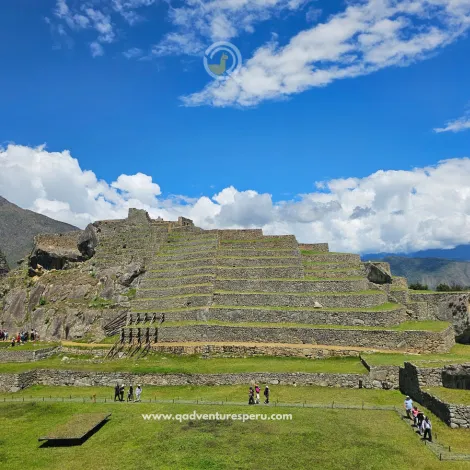
The Best Time to Visit Machu Picchu
Machu Picchu can be visited throughout much of the year, but weather conditions and visitor numbers vary by season. The drier months, generally from May through September, are popular because they often offer more favorable conditions for sightseeing and trekking. These months can also be busier, so tickets and accommodation may need to be booked well in advance.
The wetter period, generally from November through March, brings more frequent rain and cloudy conditions. The landscape can be especially green, but paths may become slippery, and visibility can change quickly. February is particularly important for travelers planning the Inca Trail because that route typically closes for annual maintenance; Machu Picchu itself generally remains open subject to official operating rules.
Bring comfortable walking shoes, a light waterproof jacket, sun protection, and a small bag for essential items. Weather in the mountains can change rapidly, so preparing for both sunshine and rain is sensible regardless of the season.
Respect the Heritage and Natural Environment
Machu Picchu is a protected cultural and natural destination. Responsible visitors help preserve its structures and surrounding landscape by following designated circuits, respecting barriers, and avoiding contact with fragile archaeological features.
Carry reusable water containers where permitted, take all rubbish with you, and follow the instructions of site staff. Drones, large bags, food, and other items may be subject to restrictions, so review the current visitor rules before arriving.
Consider hiring a qualified local guide if you want a deeper understanding of the site’s history. A guide can explain architectural features, share established historical interpretations, and help you appreciate details that may be easy to overlook when walking independently.
Make Your Machu Picchu Adventure Unforgettable
Machu Picchu is much more than a collection of ancient stone buildings. Its terraces, temples, ceremonial spaces, and carefully planned pathways reveal the remarkable abilities of the Inca civilization and its relationship with the Andean environment.
With a well-organized itinerary, you can appreciate the architecture while making time for the surrounding landscapes and the town that serves as the gateway to the site. Comparing places to stay in machu picchu early can help you select accommodation that matches your budget and allows enough time to enjoy the experience without rushing.
Whether you are fascinated by ancient engineering, interested in Andean history, or simply hoping to see one of the world’s most iconic archaeological destinations, Machu Picchu offers a powerful connection with Peru’s past. Plan carefully, respect the site’s rules, and allow yourself time to appreciate the extraordinary details that make this ancient citadel so remarkable.