

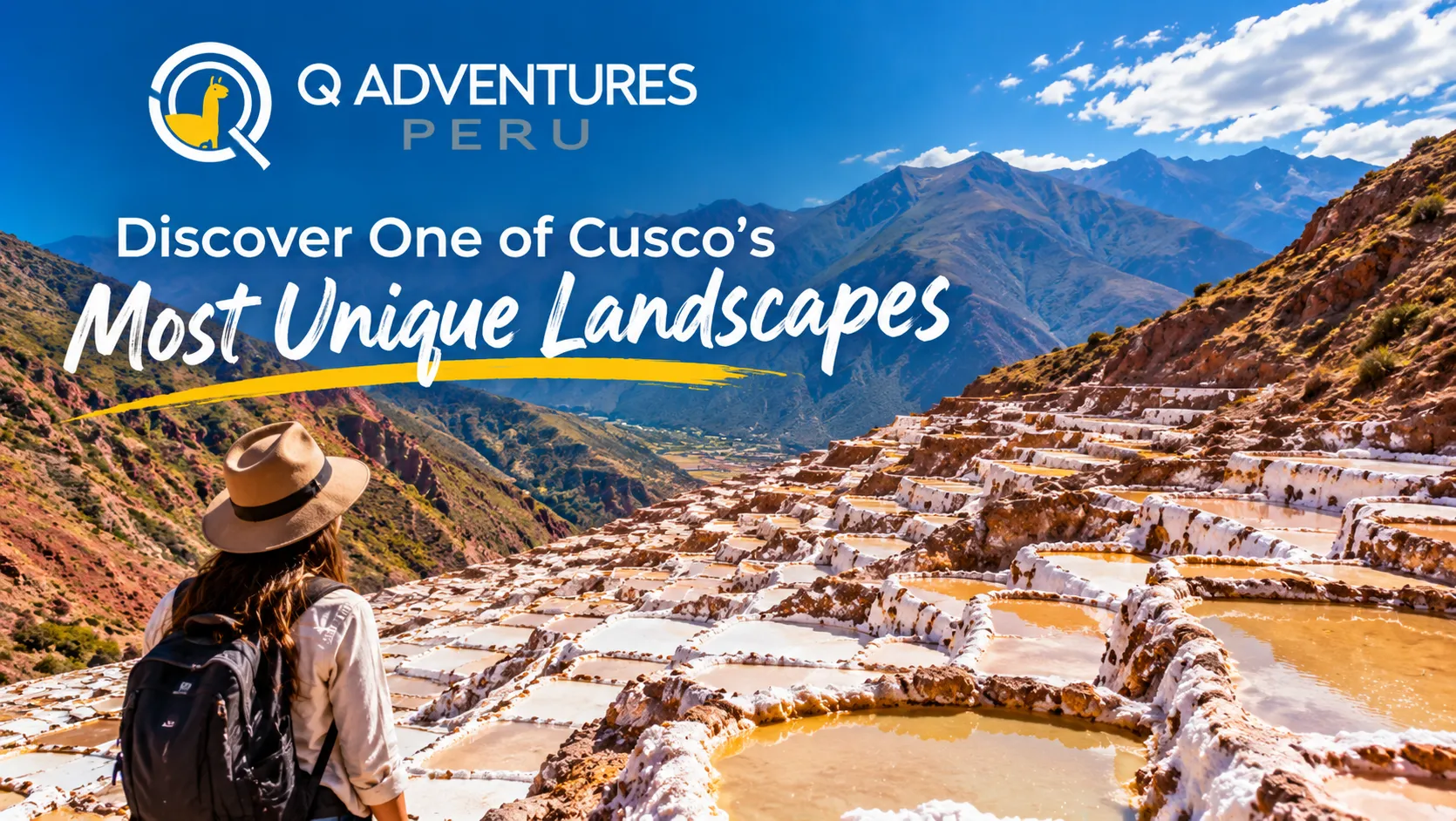
Peru’s Sacred Valley is home to extraordinary landscapes where ancient traditions, impressive mountain scenery, and centuries of history come together. Among its most fascinating destinations is maras, a remarkable area near Cusco known for its traditional salt ponds, rural communities, and spectacular views of the Andes. This destination offers travelers an opportunity to discover a different side of the region while learning about the cultural practices that continue to shape everyday life.
Whether you are interested in photography, history, nature, or authentic cultural experiences, visiting this area can become a memorable part of your Peruvian adventure. Its white salt terraces contrast beautifully with the surrounding mountains, while nearby archaeological sites reveal the ingenuity of the ancient Andean civilizations. With a little planning, you can explore these attractions in a single day and gain a deeper appreciation for the Sacred Valley.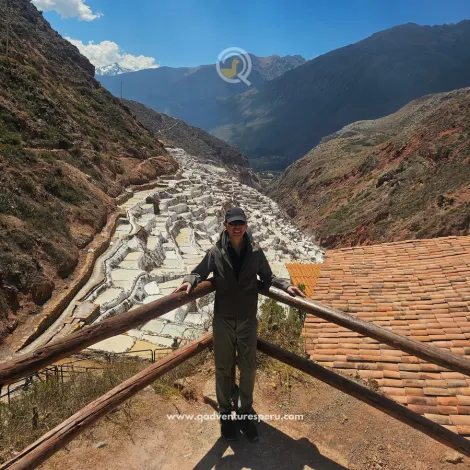
Discover the Traditional Salt Ponds
One of the most recognizable attractions in maras is the collection of thousands of small salt ponds built along the slopes of a narrow valley. These terraces create a striking landscape of white, cream, and earthy tones that changes with the sunlight and the amount of water in each pond.
The salt production process relies on naturally salty spring water that flows into the ponds through a network of channels. As the water evaporates under favorable conditions, salt crystals form and gradually accumulate. Local workers carefully manage the ponds, collect the salt, and prepare it for different uses.
This traditional activity has been practiced for generations and remains an important part of the area’s cultural identity. Unlike large industrial salt operations, the landscape reflects a production system shaped by local knowledge, manual labor, and the natural characteristics of the spring water.
Visitors can observe the terraces from designated viewpoints and learn about the process through local explanations. Because the ponds are active working areas, access to individual terraces may be restricted. Following local instructions helps protect both the landscape and the livelihoods of the people who maintain it.
The History Behind the Salt Mines
The salt ponds are often associated with the long history of salt production in the Andes. Salt has traditionally been an important resource for food preparation, preservation, and exchange between communities living in different ecological zones.
Although the exact origins of the salt works are difficult to establish in every detail, their continued use demonstrates how traditional knowledge can endure through major historical changes. The ponds have remained valuable because the natural spring provides a reliable source of mineral-rich water, while the stepped terrain allows the water to be distributed across many small evaporation basins.
During your visit, take time to notice how the channels connect the ponds and how their arrangement follows the mountain’s contours. These details show that the landscape is not simply a natural formation but also a carefully managed environment shaped by generations of work.
Exploring maras with a knowledgeable local guide can help you understand the relationship between the salt industry, regional trade, and the agricultural communities of the Sacred Valley.
Explore the Fascinating Archaeological Site of Moray
Another major attraction near the salt ponds is Moray, an archaeological complex famous for its enormous circular agricultural terraces. Built by the Incas, these structures descend into natural depressions in the landscape, creating a series of concentric levels that resemble a giant amphitheater.
The terraces demonstrate the Incas’ sophisticated understanding of agriculture and environmental conditions. Differences in elevation, sunlight, wind exposure, and moisture can produce variations in temperature between levels. Researchers have proposed that these characteristics may have supported agricultural experimentation, although the precise functions of the site continue to be studied.
Moray also illustrates the importance of adapting agricultural practices to the challenging geography of the Andes. The Incas developed techniques for cultivating crops across steep slopes and varying elevations, helping communities make productive use of diverse environments.
Walking around the designated paths allows you to appreciate the scale of the terraces and the precision of their design. The surrounding mountain scenery provides excellent opportunities for photography, especially when sunlight creates shadows along the circular walls.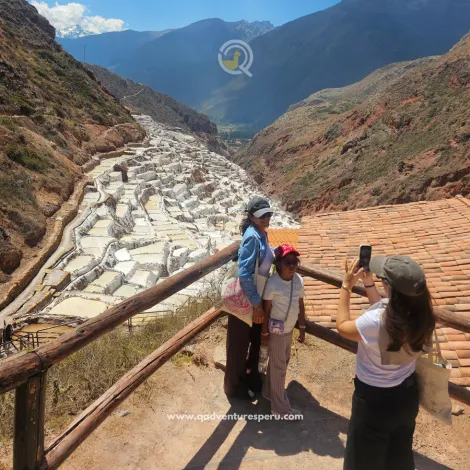
Experience the Natural Beauty of the Sacred Valley
The landscapes surrounding maras are part of what makes this destination so appealing. Rolling hills, cultivated fields, traditional villages, and distant mountain peaks create a peaceful setting that contrasts with the busy streets of Cusco.
As you travel through the countryside, you may see farmers working their land, livestock grazing in open fields, and small settlements surrounded by agricultural terraces. These everyday scenes offer a glimpse into rural life in the Andes and demonstrate the continuing relationship between local communities and the environment.
The region also changes dramatically with the seasons. During wetter months, fields and hillsides often become greener, while the drier season can bring clearer skies and more pronounced mountain views. Weather conditions can change quickly at high elevations, so bringing a light waterproof jacket and warm layers is a good idea.
For travelers who enjoy nature, the journey provides opportunities to pause, appreciate the scenery, and photograph the distinctive combination of cultivated land and rugged mountains.
Discover Local Culture and Andean Traditions
The communities around the Sacred Valley preserve cultural traditions that have developed over centuries. Agriculture, weaving, local markets, family knowledge, and community celebrations remain important parts of regional life.
A visit to the salt ponds can introduce you to the skills involved in traditional production, while nearby villages offer opportunities to learn about local food, crafts, and agricultural practices. Depending on the itinerary, you may also encounter markets selling textiles, pottery, and other handmade products.
When purchasing souvenirs, consider buying directly from local artisans and asking about the materials and techniques they use. Supporting small producers helps keep traditional skills visible and contributes to the local economy.
Responsible cultural tourism also means respecting residents’ privacy. Ask permission before taking photographs of people, avoid entering private land without authorization, and follow any guidance provided by community members.
What to Expect During Your Visit
Most travelers visit the salt ponds and Moray as part of a day trip from Cusco or another destination in the Sacred Valley. The journey generally combines scenic drives with short walks around the archaeological and cultural attractions.
Travel time depends on your starting point, traffic, road conditions, and the number of stops included in your itinerary. If you want to explore both attractions without rushing, allow enough time to walk around the designated viewpoints and learn about the history of each site.
Before visiting maras, check the current admission requirements, opening hours, and local access rules. The salt ponds are an active production area, and certain sections may be inaccessible to visitors. Moray has its own entrance arrangements, which may differ from those for the salt works.
You can explore independently if you have suitable transportation and understand the logistics, or join a guided excursion to learn more about the history, agriculture, and traditions of the region.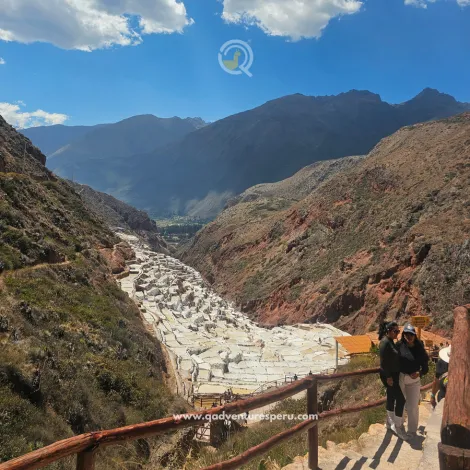
Practical Tips for a Comfortable Trip
Preparing for the altitude and variable mountain weather can make your visit more comfortable. The Sacred Valley lies at a high elevation, and travelers arriving directly from lower-altitude destinations may need time to adjust.
- Wear comfortable shoes: Some paths are uneven, and the terrain around viewpoints may include gravel or stone steps.
- Bring sun protection: Use sunscreen, sunglasses, and a hat, even when the weather feels cool.
- Dress in layers: Temperatures can change between sunny afternoons and colder mornings.
- Carry water: Stay hydrated, especially when walking outdoors at altitude.
- Bring a camera: The salt ponds and circular terraces offer excellent photographic opportunities.
- Respect restricted areas: Do not enter salt ponds or archaeological zones where access is prohibited.
- Carry some cash: Small vendors may not accept credit cards.
- Confirm transport arrangements: Check departure times, meeting points, and the duration of your excursion before leaving Cusco.
These simple preparations help you focus on the experience while respecting the cultural and natural environment.
The Best Time to Visit
The Sacred Valley can be explored throughout the year, but the weather influences the appearance of the landscape and the comfort of outdoor activities. The drier months, generally from May through September, often offer favorable conditions for sightseeing and photography. These months can also be busier, particularly during popular holiday periods.
From approximately November through March, rainfall becomes more frequent. The surrounding countryside may look greener, but showers can affect road conditions and walking paths. Cloud cover can also change the visibility of distant mountains.
There is no single perfect time for every traveler. If you prioritize clear skies, consider the drier season. If you prefer greener scenery and are comfortable preparing for rain, the wetter months can also offer a rewarding visit.
Regardless of when you travel, check the forecast shortly before departure and follow any local guidance regarding weather-related restrictions.
Photography and Responsible Tourism
The salt ponds are among the most photogenic landscapes in the Cusco region. Their geometric patterns, contrasting colors, and mountain backdrop create striking compositions. Early or late daylight can produce softer shadows and reveal textures in the salt terraces, although the best conditions depend on the weather and the angle of the sun.
Moray offers a different visual experience, with circular terraces that create strong patterns from elevated viewpoints. Take photographs from authorized areas and avoid stepping into restricted sections for a better angle.
Responsible tourism is essential to preserving both destinations. Stay on marked paths, avoid leaving rubbish, and follow the instructions of guides and site personnel. At the salt ponds, remember that the terraces are part of an active local industry, not simply a photographic attraction.
Choosing local guides and purchasing goods from community businesses can also help ensure that tourism benefits the people who maintain these cultural landscapes.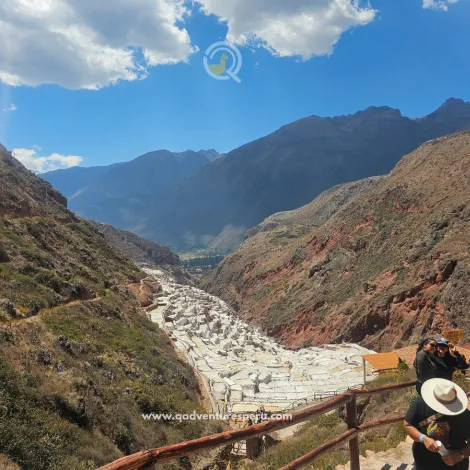
Combine Your Visit With Other Sacred Valley Attractions
If you have additional time, consider combining the salt ponds and Moray with other destinations in the Sacred Valley. Depending on your route and available time, places such as Chinchero, Ollantaytambo, or Pisac can add archaeological discoveries, traditional markets, and mountain scenery to your itinerary.
Chinchero is known for its textile traditions and archaeological remains, while Ollantaytambo offers an impressive Inca settlement and monumental terraces. Pisac combines archaeological features with a well-known market and views across the valley.
Trying to visit every destination in one day can make the schedule tiring, so choose stops that fit your interests and travel pace. A well-planned itinerary allows you to enjoy each place rather than spending most of your time in a vehicle.
Why This Destination Deserves a Place on Your Peru Itinerary
Few places in the Cusco region combine natural beauty, traditional industry, and archaeological ingenuity as distinctly as this part of the Sacred Valley. The salt ponds demonstrate how local communities have worked with natural resources for generations, while Moray reveals the remarkable agricultural knowledge of the Incas.
Visiting maras offers more than beautiful photographs. It provides an opportunity to learn about the connections between the landscape, traditional livelihoods, and the history of Andean civilization.
Whether you are exploring the salt terraces, studying the circular levels of Moray, or enjoying the mountain views along the way, this destination adds depth to a trip through southern Peru. With respectful planning and an interest in local traditions, you can discover one of the Sacred Valley’s most distinctive cultural landscapes and create lasting memories of your journey through the Andes.