

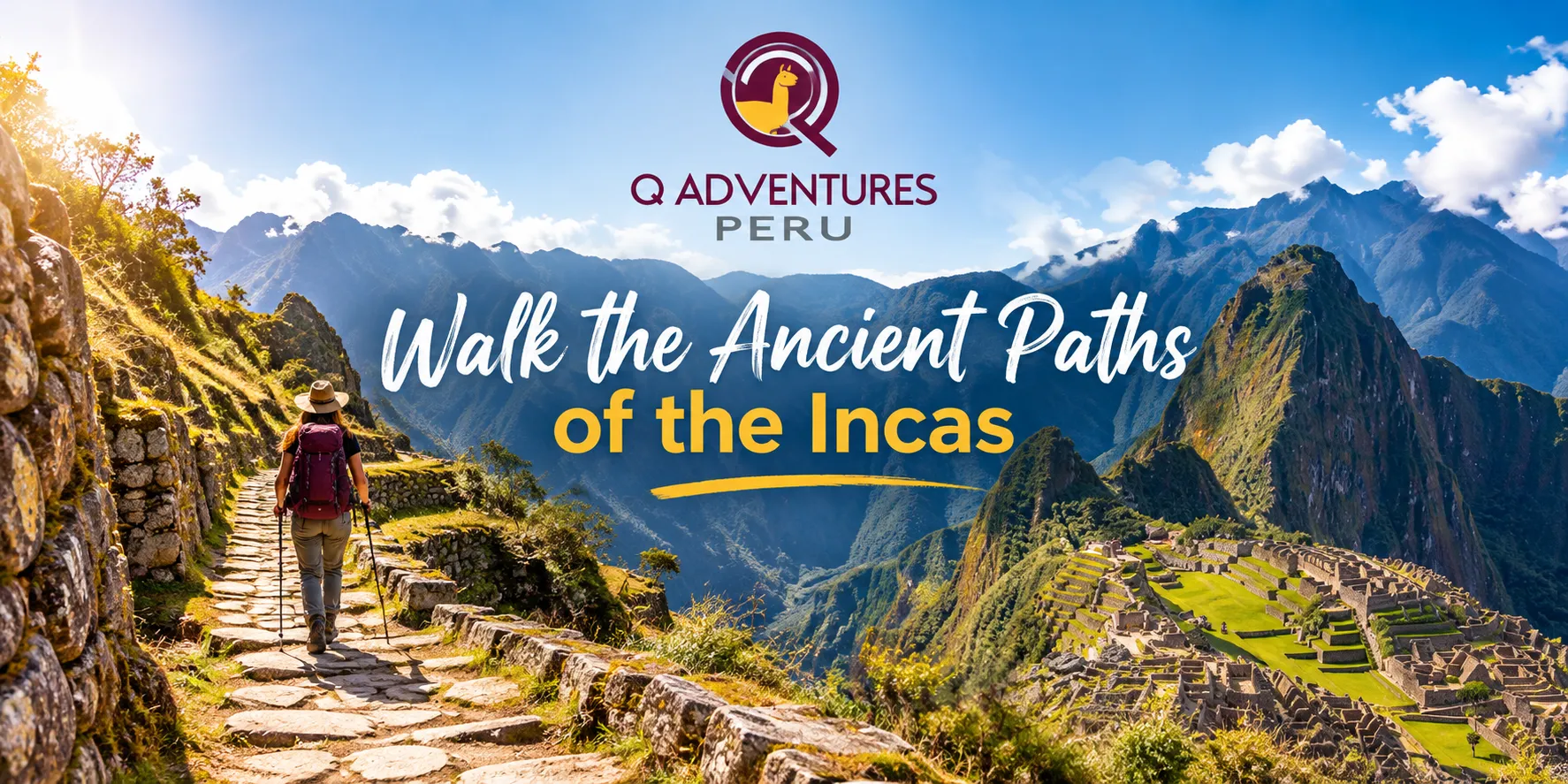
Walking through the Andes of Peru is an unforgettable experience that combines breathtaking mountain scenery, fascinating archaeological sites, and the cultural legacy of one of the world’s most remarkable civilizations. The ancient roads built by the Incas connected cities, ceremonial centers, agricultural terraces, and remote communities across a vast territory. Today, travelers can follow sections of this historic network and discover the landscapes and traditions that continue to define the region.
For visitors who want to explore this heritage with greater understanding, inca trail guided tours offer an opportunity to experience the famous Inca Trail while learning about its history, natural environment, and cultural significance. With knowledgeable guides, organized logistics, and carefully planned itineraries, the journey becomes more than a hike: it becomes a connection with Peru’s extraordinary past.
Discover the History Behind the Inca Trail
The Inca Trail is part of the extensive road network known as Qhapaq Ñan, which connected different regions of the Inca Empire. This system crossed mountains, valleys, high plateaus, and coastal landscapes, helping the empire maintain communication, transport goods, and organize administration across challenging terrain.
Sections of the route near Cusco are especially significant because they lead through archaeological landscapes associated with the ancient Inca capital and Machu Picchu. Along the way, hikers encounter stone pathways, staircases, terraces, and archaeological remains that reveal the engineering skills of the civilization.
Rather than serving only as a transportation route, the network also had social, political, and ceremonial importance. Its construction required an understanding of geography, water management, and the relationship between settlements and their surrounding environments.
Joining inca trail guided tours allows travelers to learn about these connections while walking through the landscape. A guide can explain the purpose of visible structures, describe the role of the road network, and provide historical context that may not be immediately apparent when exploring independently.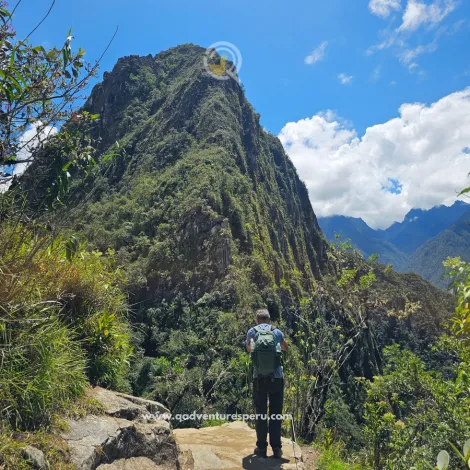
Experience the Beauty of the Andean Landscapes
One of the most remarkable aspects of hiking the Inca Trail is the variety of landscapes encountered along the route. Depending on the itinerary and season, travelers may pass through high mountain terrain, cloud forest, green valleys, and areas filled with native vegetation.
The scenery changes as the trail rises and descends across the Andes. Mountain peaks create dramatic horizons, while mist can move through the forest and reveal ancient stone structures hidden among the vegetation. These changing views make the trek rewarding for nature lovers and photography enthusiasts alike.
The region also supports a wide variety of plants and wildlife. Orchids, ferns, mosses, and other vegetation thrive in suitable habitats, while birds can often be spotted among the trees. Wildlife sightings are never guaranteed, so visitors should observe animals from a respectful distance and avoid disturbing their natural environment.
Responsible trekking helps preserve these fragile landscapes. Staying on marked paths, carrying waste out of the mountains, and following the instructions of guides and park staff can reduce the impact of tourism on the environment.
Explore Fascinating Archaeological Sites Along the Route
The Inca Trail is famous not only for its scenery but also for the archaeological sites found along certain routes. These remains provide clues about how the Incas organized settlements, cultivated steep slopes, and created ceremonial spaces within the mountain environment.
Depending on the permitted itinerary, hikers may visit sites such as Patallacta, Runkurakay, Sayacmarca, Phuyupatamarca, and Wiñay Wayna. Each has its own setting and architectural features, from terraces and stone buildings to structures positioned on ridges overlooking the surrounding valleys.
Wiñay Wayna is particularly memorable for its agricultural terraces and stone architecture set against a lush mountain backdrop. Archaeological sites along the route demonstrate how the Incas adapted construction and agriculture to challenging terrain.
Access to specific sites depends on the selected route, current regulations, and the day’s itinerary. When arranging inca trail guided tours, confirm which archaeological locations are included and how much time the schedule allows for exploring them.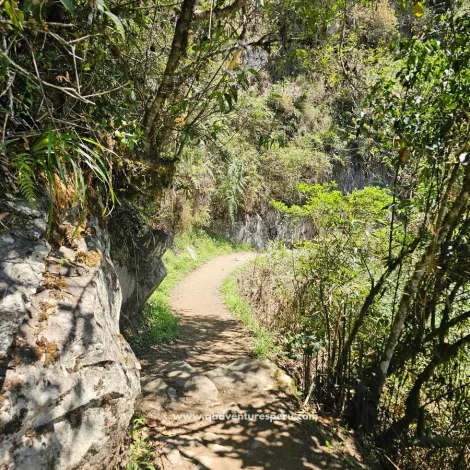
Choose the Right Inca Trail Trek
Travelers can choose between different trekking itineraries depending on their available time, physical preparation, and interests. The classic four-day Inca Trail is one of the most popular options, while shorter routes provide an alternative for visitors with limited schedules.
The Classic Four-Day Inca Trail
The classic route generally takes four days and includes mountain passes, archaeological sites, camping, and changing landscapes. Hikers gradually move through different elevations before reaching the final approach to Machu Picchu. The journey requires preparation because long walking days, steep steps, and high-altitude conditions can make the trek physically demanding.
The Short Inca Trail
The Short Inca Trail is a popular alternative for travelers who want to experience part of the historic path without completing the longer trek. Many standard itineraries cover two days, with hiking on the first day and a visit to Machu Picchu on the following day. Exact arrangements vary, so confirm the route, accommodation, and entry schedule before booking.
Private and Small-Group Experiences
Private and small-group options may provide a more personalized experience, depending on the operator and itinerary. Travelers can ask about group size, guide language, walking pace, meal arrangements, and opportunities to learn about local history and ecology.
When comparing inca trail guided tours, look beyond the advertised price. Review the included services, accommodation, meals, transportation, permits, and support arrangements to understand what each package offers.
Why Travel With a Professional Guide?
A professional guide can transform a challenging hike into a richer cultural experience. Beyond helping visitors follow the route, guides explain the historical significance of archaeological sites, introduce native plants, and share information about Andean traditions and the relationship between local communities and the landscape.
Guides also help coordinate the practical details of the journey. Depending on the package, they may assist with daily schedules, campsite arrangements, meals, transport connections, and communication with support staff. Their knowledge can be especially valuable when weather conditions change or the group needs to adjust its pace.
Guided trekking is also subject to official rules governing access to the Inca Trail. Travelers should use an authorized operator and confirm that the required permits and reservations have been arranged. Access is limited, and availability can be especially competitive during popular travel periods.
Before confirming a booking, ask who will lead the trek, whether the guide speaks your preferred language, and what emergency procedures are in place. Clear communication helps set realistic expectations and contributes to a safer, more enjoyable journey.
Prepare for the Physical Challenge
The Inca Trail is rewarding, but it should not be underestimated. Hikers encounter uneven stone paths, long staircases, steep climbs, and changing weather. Some sections reach elevations where physical effort can feel more demanding than it would at sea level.
Preparing in advance can make a significant difference. Regular walking, hiking on varied terrain, and cardiovascular exercise can help build endurance. If possible, practice walking uphill and downhill while wearing the footwear and daypack you intend to use on the trek.
- Acclimatize in Cusco: Spend time adjusting to the altitude before beginning strenuous activity. Follow medical advice if you have concerns about altitude exposure.
- Wear suitable footwear: Choose broken-in hiking shoes or boots with reliable traction and comfortable support.
- Pack layers: Temperatures can vary considerably between exposed mountain areas and humid forest sections.
- Bring rain protection: Rain can occur even when the forecast looks favorable, particularly during the wet season.
- Use sun protection: Pack sunscreen, sunglasses, and a hat for exposed sections of the trail.
- Carry essential water and snacks: Follow your operator’s guidance about hydration, meals, and refill arrangements.
- Walk at a steady pace: Avoid rushing on steep steps and take breaks when needed.
Altitude affects people differently, and physical fitness does not guarantee protection from altitude sickness. If you develop concerning symptoms, inform your guide promptly and follow appropriate medical guidance.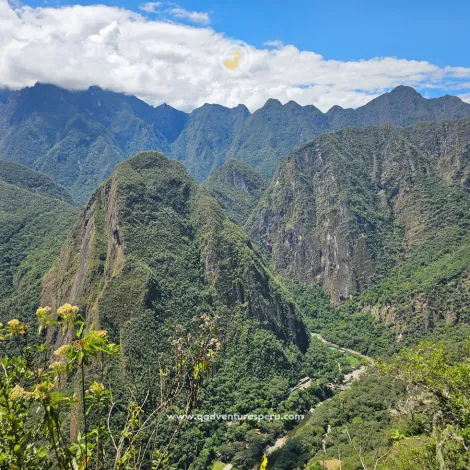
Understand Permits, Seasons, and Booking Requirements
The Inca Trail is a regulated trekking route, and access is controlled through permits and designated entry arrangements. Visitors generally cannot simply arrive at the trailhead and begin hiking without the required authorization. Because permits are limited, planning ahead is essential.
Book through an authorized operator and verify what is included in the reservation. Depending on the package, arrangements may cover permits, guiding, meals, camping equipment, transport, and the entry ticket for Machu Picchu. These inclusions vary, so review the details carefully before making a payment.
The dry season, generally from May through September, is popular because conditions are often more favorable for trekking. However, these months can bring greater demand and colder nights at higher elevations. The wet season, generally from November through March, brings more frequent rainfall and potentially muddy or slippery paths.
The Inca Trail typically closes in February for annual maintenance and conservation work. Dates and operating rules should always be confirmed through official sources before booking. Machu Picchu and alternative trekking routes may follow different schedules.
When researching inca trail guided tours, confirm the exact departure date, permit status, cancellation policy, and arrangements for visiting Machu Picchu. Planning these details early helps prevent unnecessary complications during your trip.
Respect Local Culture and Protect the Trail
The Inca Trail is part of a cultural landscape with deep historical and spiritual significance. Treat archaeological structures with care, avoid climbing on restricted walls, and follow all instructions provided by guides and site personnel.
Responsible travel also means respecting the people who live and work in the region. Ask permission before photographing individuals, purchase appropriate services from local providers, and learn about cultural practices with curiosity and respect.
Environmental responsibility is equally important. Carry reusable water containers where practical, minimize single-use packaging, and never leave rubbish along the route. Avoid picking plants or disturbing wildlife, and remain on authorized paths to help protect fragile archaeological and natural areas.
Choosing a responsible operator can support better working conditions for trekking staff and more sustainable tourism practices. Ask questions about waste management, staff welfare, and the company’s approach to environmental protection before making a reservation.
Arrive at Machu Picchu and Celebrate the Journey
For many hikers, reaching Machu Picchu is the emotional highlight of the trek. The ancient citadel stands among steep green mountains, with stone buildings and terraces integrated into the surrounding landscape. Its remarkable setting and historical importance make the final visit a memorable conclusion to the journey.
The classic Inca Trail itinerary traditionally approaches Machu Picchu through the Sun Gate, known as Inti Punku, when route access and current regulations permit. The first views of the citadel can be especially rewarding after several days of walking through mountain scenery and archaeological sites.
Entry arrangements, visiting circuits, and permitted access points can change. Check your Machu Picchu ticket details and follow your operator’s instructions so that your trek and citadel visit fit together properly.
Take time to appreciate the architecture, the terraces, and the relationship between the citadel and the surrounding mountains. Respect the site’s conservation rules and remember that preserving this heritage allows future generations to experience its extraordinary significance.
Make Your Inca Trail Adventure Meaningful
Walking the ancient paths of the Incas is an opportunity to connect with Peru’s history, landscapes, and living traditions. From impressive stonework and mountain passes to cloud forests and archaeological remains, the journey offers a remarkable combination of physical challenge and cultural discovery.
Well-planned inca trail guided tours can help you understand the significance of the route while managing important details such as permits, logistics, and the visit to Machu Picchu. By choosing an authorized operator, preparing for the altitude, and respecting the environment, you can make the most of this extraordinary experience.
Whether you choose the classic four-day trek or a shorter itinerary, the Inca Trail offers a special way to discover the Andes. Walk thoughtfully, listen to the stories behind the stones, and let the landscapes reveal the legacy of a civilization whose achievements continue to inspire travelers from around the world.