

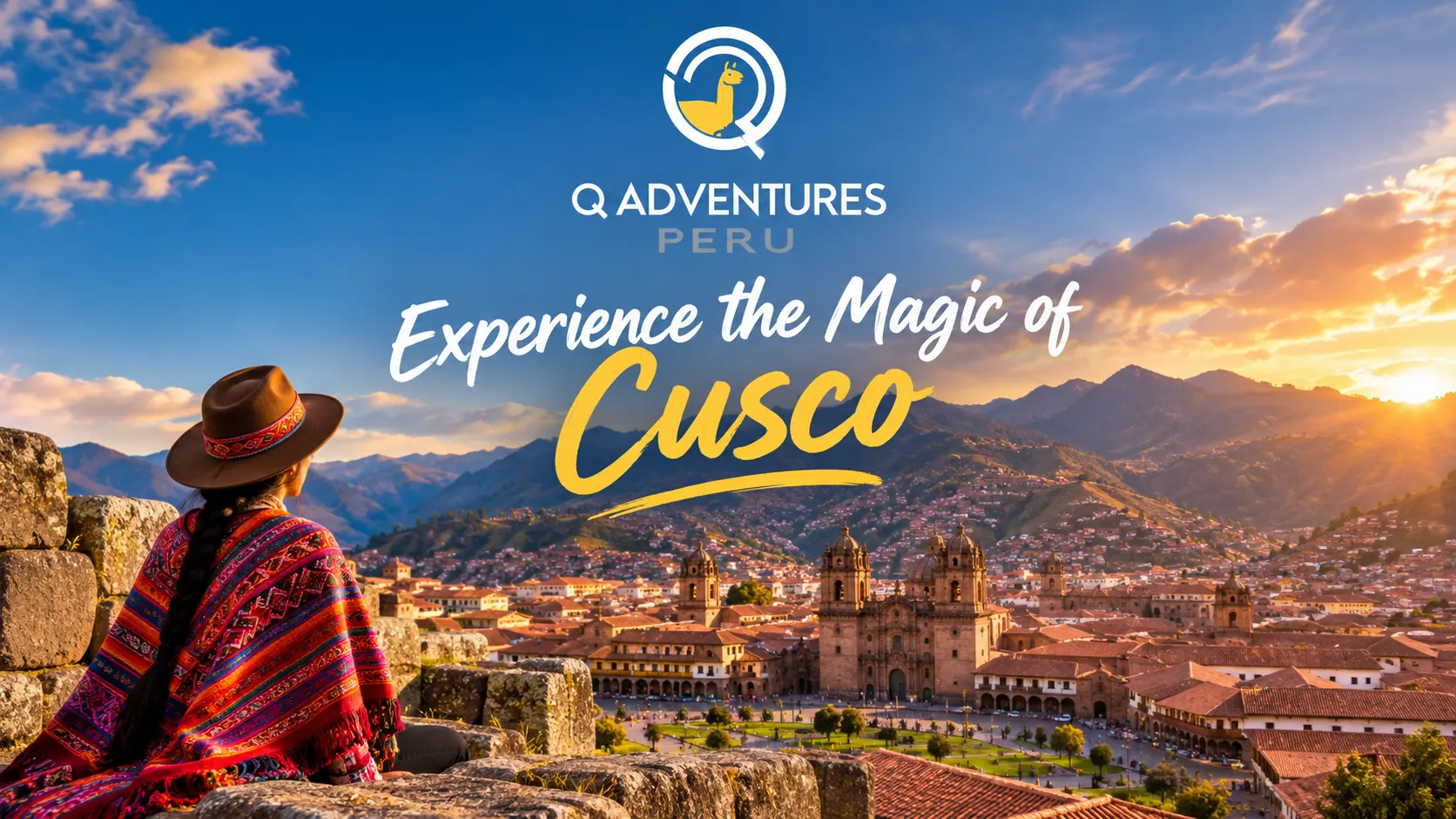
Cusco is one of Peru’s most captivating destinations, combining ancient Inca heritage, colonial architecture, vibrant traditions, and breathtaking Andean landscapes. Once the capital of the Inca Empire, this historic city continues to attract travelers who want to discover its remarkable past while enjoying its welcoming atmosphere and rich cultural identity. Planning one day in cusco is an excellent way to experience its most famous landmarks, taste traditional Peruvian food, and explore the streets where history comes alive.
Although Cusco deserves several days of exploration, a carefully organized itinerary can introduce you to its most important attractions. From the lively Plaza de Armas to the impressive archaeological remains above the city, every stop reveals another part of its fascinating story. With comfortable shoes, a little preparation, and enough time to appreciate the surroundings, you can make your visit memorable.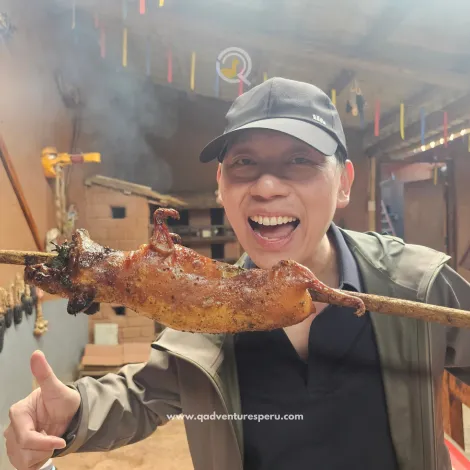
Begin Your Journey at the Plaza de Armas
The Plaza de Armas is the perfect starting point for discovering Cusco. Located in the heart of the historic center, this beautiful square is surrounded by restaurants, cafés, historic buildings, and impressive churches. It has served as an important gathering place since Inca times and remains one of the city’s busiest public spaces.
Take a walk around the square to admire the architecture and observe everyday life. The Cathedral of Cusco and the Church of the Society of Jesus are two prominent landmarks that showcase the city’s colonial heritage. Their detailed façades and interiors reflect the artistic traditions that developed after the Spanish conquest.
Spend a few minutes enjoying the atmosphere before continuing through the surrounding streets. Early morning is often a pleasant time to explore, take photographs, and appreciate the historic center before it becomes busier.
Discover the Ancient Walls of the Inca Empire
One of the most remarkable features of Cusco is the survival of its original Inca stonework. Throughout the historic center, you can find walls built from carefully shaped stones fitted together with extraordinary precision. Many have remained standing for centuries, demonstrating the sophisticated engineering knowledge of the Inca civilization.
Walk along Hatun Rumiyoc Street to see the famous Twelve-Angled Stone, an example of the precision associated with Inca masonry. The stone is part of an ancient wall and has become one of the city’s best-known architectural details.
Exploring these streets provides more than an opportunity to take photographs. It allows you to understand how the Inca urban design continues to influence modern Cusco. Spanish colonial buildings were often constructed over existing Inca foundations, creating the distinctive architectural combination that defines the city today.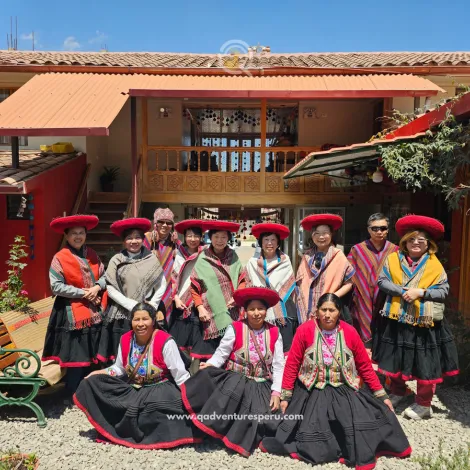
Visit Qorikancha, the Temple of the Sun
Qorikancha was one of the most important religious centers of the Inca Empire. Dedicated primarily to the Sun, the complex played a significant role in ceremonial life and reflected the spiritual importance of Cusco as the imperial capital.
Historical accounts describe the temple as richly decorated before the Spanish conquest. Today, visitors can explore surviving Inca structures alongside the Santo Domingo Convent, which was built over part of the original complex. The contrast between the precisely fitted stone walls and colonial architecture illustrates the profound historical changes that transformed the city.
Allow enough time to explore the courtyards and learn about the site’s religious and cultural significance. Including Qorikancha in one day in cusco offers a valuable perspective on the relationship between Inca traditions and the city’s later development.
Explore the Artistic Neighborhood of San Blas
San Blas is one of the most charming neighborhoods in Cusco. Its narrow streets, traditional houses, small galleries, and artisan workshops create a relaxed atmosphere that feels different from the busy main square.
The neighborhood has a strong artistic identity. Local craftspeople produce wood carvings, paintings, jewelry, textiles, and decorative objects inspired by Andean traditions. Visiting their workshops offers an opportunity to appreciate the techniques and creativity behind handmade products.
San Blas is also a wonderful place to stop for coffee or enjoy views across the city’s rooftops. Because some streets are steep and paved with cobblestones, take your time as you explore. If you enjoy photography, architecture, or local crafts, this neighborhood is well worth including in your itinerary.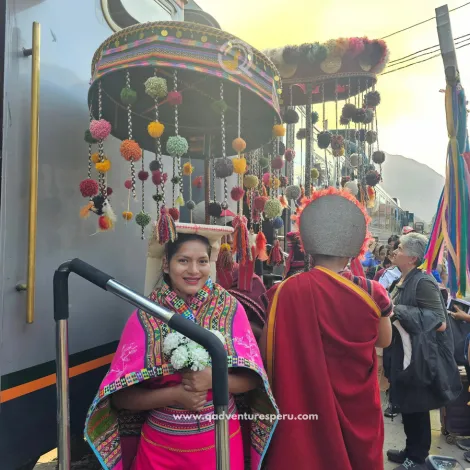
Enjoy Traditional Peruvian Food
Food is an essential part of the Cusco experience. Regional cuisine brings together Andean ingredients, traditional cooking techniques, and influences from different parts of Peru. From simple market meals to contemporary restaurants, the city offers plenty of ways to discover local flavors.
For lunch, consider trying lomo saltado, ají de gallina, quinoa soup, or a dish featuring potatoes and other ingredients grown in the Andes. Travelers interested in regional specialties may also find traditional preparations using corn, native herbs, and locally sourced produce.
San Pedro Market is a popular destination for visitors who want to experience local food culture. Its stalls offer fresh fruit, juices, bread, cheese, vegetables, snacks, and handicrafts. Walking through the market provides a glimpse into everyday life and the variety of products available to residents.
When planning one day in cusco, set aside enough time for a relaxed lunch. Enjoying a meal without rushing helps you appreciate the flavors and traditions that make Peruvian cuisine so distinctive.
Admire the Impressive Archaeological Complex of Sacsayhuamán
Situated on a hill overlooking Cusco, Sacsayhuamán is one of the most impressive archaeological sites in the region. Its enormous stone blocks and carefully constructed walls demonstrate the engineering abilities of the Inca civilization.
Some of the stones are exceptionally large, and their precise placement continues to impress visitors. The complex also offers sweeping views of Cusco and the surrounding mountains, making it an excellent destination for travelers interested in history and scenery.
Sacsayhuamán has an important place in local cultural traditions and is closely associated with the annual Inti Raymi celebration, held in June to honor the Festival of the Sun. The event brings together historical reenactments, traditional clothing, music, and ceremonial performances.
Because the site is located at a higher elevation than the city center, walk slowly and give yourself time to adjust. Check current admission requirements and transportation options before visiting, particularly if your schedule is limited.
Experience Local Markets and Andean Traditions
Cusco’s cultural identity extends beyond its archaeological sites and historic buildings. Everyday life is filled with traditions expressed through music, clothing, cuisine, religious celebrations, and handmade crafts.
Explore local shops and market stalls to discover alpaca garments, colorful textiles, ceramics, and souvenirs. Whenever possible, consider buying directly from local artisans. This gives you an opportunity to learn about their work while supporting traditional craftsmanship and small businesses.
Depending on the season, you may also encounter religious festivals, public celebrations, or cultural performances. These events reflect the continuing relationship between Indigenous Andean heritage and the influences that have shaped the region over time.
Leave a little room in your schedule for spontaneous discoveries. A quiet courtyard, a small café, or a conversation with a local vendor can become one of the most meaningful parts of your visit.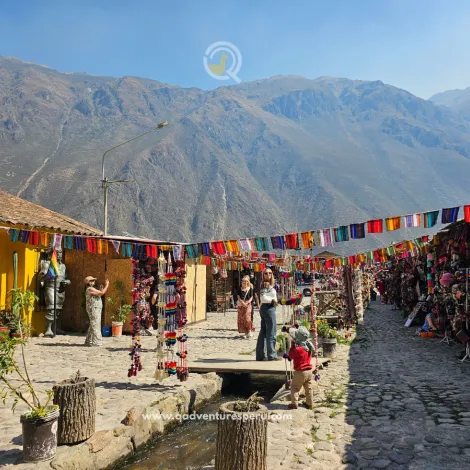
Practical Tips for a Comfortable Visit
Preparation is important when exploring Cusco, especially if you have only a limited amount of time. The city sits at approximately 3,400 meters (11,150 feet) above sea level, and some travelers experience altitude-related symptoms when they first arrive.
- Allow time to acclimatize: Avoid intense physical activity immediately after arrival and rest whenever necessary.
- Stay hydrated: Drink water regularly throughout the day.
- Wear comfortable footwear: Cobblestone streets, stairs, and uneven paths are common throughout the historic center.
- Dress in layers: Temperatures can change between sunny afternoons and cold mornings or evenings.
- Use sun protection: Bring sunscreen, sunglasses, and a hat for outdoor sightseeing.
- Check opening hours: Confirm the current schedules, ticket requirements, and access conditions for museums and archaeological sites.
- Carry some cash: Small shops and market vendors may not accept credit cards.
- Respect local customs: Ask permission before photographing people, particularly during ceremonies or traditional activities.
These simple measures can help you feel more comfortable and enjoy the city without unnecessary stress.
How to Organize Your Itinerary
A practical itinerary should group attractions that are close to one another. Begin at the Plaza de Armas, explore the historic streets, and visit Qorikancha before heading toward San Blas. After lunch, you can choose between exploring local markets, visiting a museum, or traveling to Sacsayhuamán if time and energy allow.
Keep in mind that walking distances, traffic, altitude, and ticket schedules may affect your plans. Rather than trying to visit every attraction, prioritize the places that interest you most. A flexible itinerary makes it easier to enjoy the experience and avoid spending the entire day rushing from one location to another.
For visitors who prefer additional historical context, a guided city tour can be a convenient option. A knowledgeable local guide can explain the significance of the landmarks, introduce lesser-known details, and help coordinate transportation between attractions.
Is One Day Enough to Discover Cusco?
A single day provides a wonderful introduction to Cusco, but it cannot reveal everything the city and its surroundings have to offer. The historic center, Qorikancha, San Blas, local markets, and Sacsayhuamán provide a varied experience that combines architecture, history, food, and culture.
If you have more time, consider exploring nearby destinations such as the Sacred Valley or planning a separate visit to Machu Picchu. These places offer additional opportunities to learn about Inca history, experience Andean landscapes, and discover the cultural diversity of southern Peru.
Ultimately, one day in cusco can be the beginning of a much larger adventure. Even a brief visit reveals the city’s distinctive atmosphere and the remarkable heritage preserved in its streets, buildings, and traditions.
Make Your Cusco Experience Unforgettable
Cusco is more than a historic destination. It is a living city where ancient foundations, colonial architecture, local creativity, and contemporary life come together. Its plazas invite you to pause, its archaeological sites reveal extraordinary engineering achievements, and its markets introduce you to the flavors and traditions of the Andes.
With thoughtful planning, one day in cusco can become a rewarding journey through Peru’s cultural heritage. Take time to appreciate the details, enjoy regional cuisine, and connect respectfully with the local community.
Whether Cusco is your main destination or the starting point for a journey to Machu Picchu, its history and atmosphere are sure to leave a lasting impression. Come ready to explore, discover its stories, and experience the magic of this remarkable Andean city.\