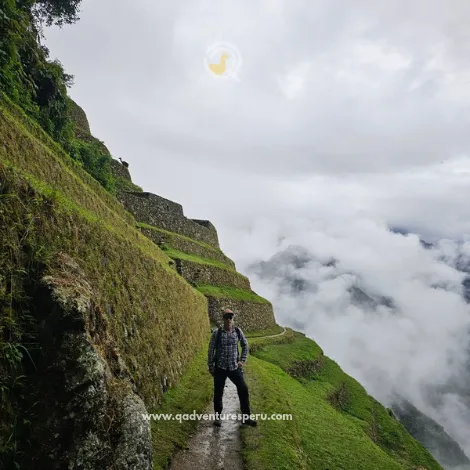


Walking through ancient stone pathways surrounded by mountains, cloud forests, and impressive archaeological remains is one of the most memorable ways to discover Peru. The Inca Trail offers travelers the opportunity to follow routes once used by the Inca civilization while enjoying some of the most beautiful landscapes in the Andes.
For visitors who have limited time but still want to experience a historic trekking route, the \machu picchu short inca trail\ is an excellent alternative. This adventure combines hiking, nature, archaeological discoveries, and the excitement of reaching Machu Picchu through the famous Sun Gate, known as Inti Punku.
Unlike the classic four-day trek, this shorter experience generally takes two days and one night. It allows travelers to explore an important section of the original Inca road network without committing to a longer expedition. Along the way, hikers discover ancient constructions, spectacular mountain scenery, and the unique biodiversity of the cloud forest.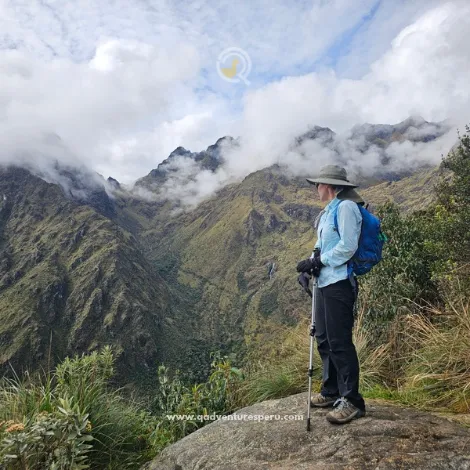
What Is the Short Inca Trail?
The Short Inca Trail is a trekking experience that follows a section of the historic Qhapaq Ñan, the extensive road network developed by the Incas. The route commonly begins at Kilometer 104 of the railway line between Ollantaytambo and Aguas Calientes.
From the starting point, hikers cross different landscapes and visit archaeological sites before continuing toward the Sun Gate. This entrance offers an unforgettable perspective of Machu Picchu and its surrounding mountains.
The machu picchu short inca trail is particularly attractive because it combines physical activity with cultural exploration. Instead of spending several days in remote mountain camps, visitors can complete the main hike in one day and stay overnight in Aguas Calientes.
Why Choose the Two-Day Inca Trail?
There are several reasons why travelers choose this shorter trekking alternative. It offers a balance between adventure, comfort, and the opportunity to experience the historical importance of the Inca road system.
Ideal for Travelers with Limited Time
Not everyone has enough time to complete a four-day trekking expedition. The shorter route provides an opportunity to experience the Inca Trail within a more compact itinerary.
It is a practical choice for visitors who want to combine Machu Picchu with other destinations in Peru, such as Cusco, the Sacred Valley, Rainbow Mountain, or Humantay Lake.
A Combination of History and Nature
The route passes through an environment where archaeological structures and natural landscapes exist side by side. Hikers can observe stone pathways, terraces, vegetation, and mountain views while learning about the achievements of the Inca civilization.
A Different Arrival at Machu Picchu
One of the most exciting moments is reaching Inti Punku, or the Sun Gate. From this historic viewpoint, visitors can enjoy an elevated view of Machu Picchu and the surrounding mountains.
Arriving on foot creates a special connection with the landscape and provides a memorable introduction to the archaeological sanctuary.
Day 1: From Cusco to the Inca Trail
The first day generally begins early in Cusco, where travelers depart toward Ollantaytambo. From there, they take a train to Kilometer 104, the starting point of the trek.
Starting the Hike at Kilometer 104
After arriving at the trailhead, hikers complete the necessary entrance procedures and begin walking along the historic route. The first sections follow paths surrounded by vegetation, mountains, and the sound of nearby rivers.
The terrain includes gradual climbs, stone steps, and uneven surfaces. Although the distance is shorter than the classic Inca Trail, the route still requires physical effort, especially because of the altitude and the changing elevation.
Discovering Chachabamba
One of the first archaeological attractions along the route is Chachabamba. This small Inca complex is located near the Vilcanota River and is believed to have had ceremonial and administrative importance.
Its stone constructions and terraces provide an introduction to the architectural characteristics that visitors will encounter throughout the journey.
Exploring Wiñay Wayna
Wiñay Wayna is one of the most impressive archaeological sites along the Short Inca Trail. Its name is commonly translated as Forever Young, inspired by a local orchid associated with the region.
The complex features agricultural terraces built into a steep mountainside, ceremonial structures, residential areas, and carefully designed water channels.
The terraces demonstrate how the Incas adapted agriculture to difficult mountain environments. Their construction helped manage water, protect the soil, and create productive cultivation areas.
Wiñay Wayna is also an excellent place to appreciate the relationship between Inca engineering and the biodiversity of the cloud forest.
Day 1: Reaching the Sun Gate
After exploring Wiñay Wayna, hikers continue toward Inti Punku. This final section includes stone stairways and uphill walking, but the anticipation of reaching the Sun Gate makes it one of the most memorable parts of the experience.
Inti Punku served as an important entrance and observation point associated with the Inca road network. From here, visitors can enjoy an extraordinary panoramic view of Machu Picchu.
Weather conditions influence visibility, and clouds sometimes cover parts of the landscape. However, the atmosphere of the mountains and the experience of arriving through an ancient pathway remain unforgettable.
After enjoying the viewpoint, hikers continue toward the designated exit route and travel to Aguas Calientes, where they spend the night in a hotel or guesthouse.
Day 2: Exploring Machu Picchu
The second day is dedicated to visiting the archaeological sanctuary. After breakfast in Aguas Calientes, travelers follow their assigned transportation arrangements to reach the entrance of Machu Picchu.
The visit takes place according to the entrance circuit and schedule indicated on the ticket. These routes are designed to organize visitor movement and protect the archaeological structures.
Discovering the Inca Citadel
Machu Picchu is one of the greatest examples of Inca architecture and engineering. Its stone buildings, agricultural terraces, temples, and water channels reveal the extraordinary abilities of the civilization that constructed it.
Some of the most notable structures include the Temple of the Sun, the Intihuatana, the Temple of the Three Windows, and the agricultural terraces surrounding the central areas.
Visitors can learn about the historical, cultural, and architectural importance of these structures while enjoying the spectacular mountain environment.
Landscapes and Biodiversity Along the Trail
The Short Inca Trail crosses different ecological environments, offering an opportunity to appreciate the biodiversity of the Andes and the cloud forest.
As hikers move along the route, the landscape changes from mountain vegetation to humid forest environments. Ferns, orchids, mosses, and native trees create a rich natural setting.
The region is also home to numerous bird species and other wildlife. With patience and attention, visitors may observe colorful birds and butterflies along the pathways.
The combination of archaeological remains and natural beauty makes this trekking experience particularly special for travelers interested in both history and outdoor adventure.
Difficulty and Physical Preparation
The Short Inca Trail is generally considered a moderate trekking route, although some sections can be challenging. The path includes uphill climbs, stone staircases, uneven terrain, and changes in elevation.
Travelers should be comfortable walking for several hours and should prepare with regular physical activity before the trip.
For the machu picchu short inca trail, useful preparation includes:
- Walking regularly: Practice on trails, hills, or stairways before your departure.
- Improving endurance: Include moderate cardiovascular exercise in your preparation.
- Using appropriate footwear: Choose comfortable hiking shoes with good traction.
- Acclimatizing in Cusco: Spend time adjusting to the altitude before beginning the trek.
- Staying hydrated: Drink water regularly throughout the journey.
- Walking at a comfortable pace: Avoid rushing, especially during steep sections.
People with health concerns or significant difficulty walking should consult a healthcare professional before choosing this activity.
Best Time to Hike the Short Inca Trail
The Inca Trail can be experienced throughout much of the year, but weather conditions influence the difficulty and enjoyment of the route.
Dry Season: May to September
The dry season generally offers more favorable conditions for trekking. Rainfall is usually less frequent, and the mountain scenery may be clearer. These months are also popular with visitors, so permits and accommodation should be arranged well in advance.
Rainy Season: November to March
During the rainy season, the cloud forest becomes greener and more vibrant. However, rain can make stone steps slippery and reduce visibility along certain sections.
The classic Inca Trail network, including the Short Inca Trail, generally has a scheduled annual closure in February for maintenance and conservation. Travelers should confirm the current operating calendar before making reservations.
What to Pack for the Trek
Carrying the right equipment helps make the journey safer and more comfortable. Because the weather can change quickly in the Andes, it is important to prepare for both sunshine and rain.
- Hiking shoes: Comfortable footwear with reliable grip.
- Light backpack: A small bag for personal belongings and essential supplies.
- Waterproof jacket: Useful during unexpected rainfall.
- Sun protection: Sunscreen, sunglasses, and a hat.
- Reusable water bottle: Helps maintain hydration during the hike.
- Insect repellent: Useful in humid sections of the cloud forest.
- Personal identification: Carry the document required for your entrance and trekking reservations.
- Extra clothing: A change of clothes for the evening in Aguas Calientes.
Before departure, check the current regulations regarding permitted equipment, luggage, and supplies along the route.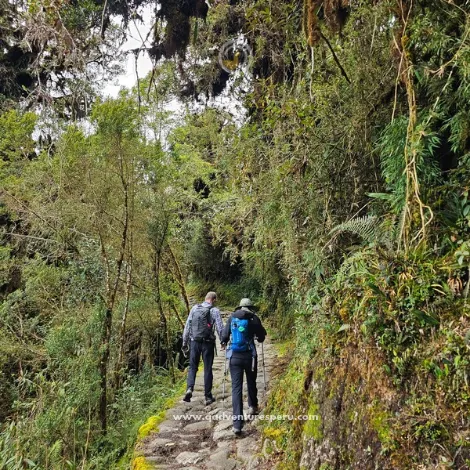
Permits and Reservations: What You Need to Know
Access to the Inca Trail is controlled to protect the archaeological route and its natural environment. Travelers must obtain the appropriate permit through an authorized tour operator, and availability is limited.
The trekking permit and the entrance arrangements for Machu Picchu are subject to specific regulations. Travelers should verify that their reservation includes the correct route, date, and access conditions.
Because availability can be limited, especially during popular travel periods, it is advisable to organize the trip several months ahead whenever possible.
When booking the machu picchu short inca trail, confirm the following details:
- Official trekking permit and entrance date.
- Authorized operator and guide arrangements.
- Transportation to the starting point.
- Accommodation in Aguas Calientes.
- Entrance circuit and visiting time for Machu Picchu.
- Return transportation to the Sacred Valley or Cusco.
Why Choose Q Adventures Peru?
Exploring the Inca Trail is an opportunity to connect with Peru’s history, natural landscapes, and cultural heritage. Having an organized itinerary can make the experience easier, especially when coordinating permits, transportation, accommodation, and archaeological visits.
Q Adventures Peru offers travel experiences designed to help visitors discover the most remarkable destinations of the Cusco region. From the Sacred Valley to Machu Picchu, travelers can enjoy cultural discoveries and outdoor adventures with attention to local traditions and responsible tourism.
The machu picchu short inca trail is an excellent option for those who want to experience an ancient pathway without spending several days trekking. It combines impressive archaeological sites, cloud forest landscapes, and the unforgettable arrival at the Sun Gate.
Experience an Unforgettable Journey Through Inca History
The Short Inca Trail offers much more than a walk through the mountains. It is a journey through ancient pathways, impressive archaeological sites, and natural environments that reveal the extraordinary relationship between the Inca civilization and the Andes.
From Chachabamba and Wiñay Wayna to the Sun Gate and the majestic citadel of Machu Picchu, every stage provides a new perspective on Peru’s cultural heritage.
If you are looking for an adventure that combines history, nature, and trekking in a shorter itinerary, this route deserves a place on your travel plans. Prepare in advance, respect the environment, and discover the magic of the Inca world with Q Adventures Peru.