

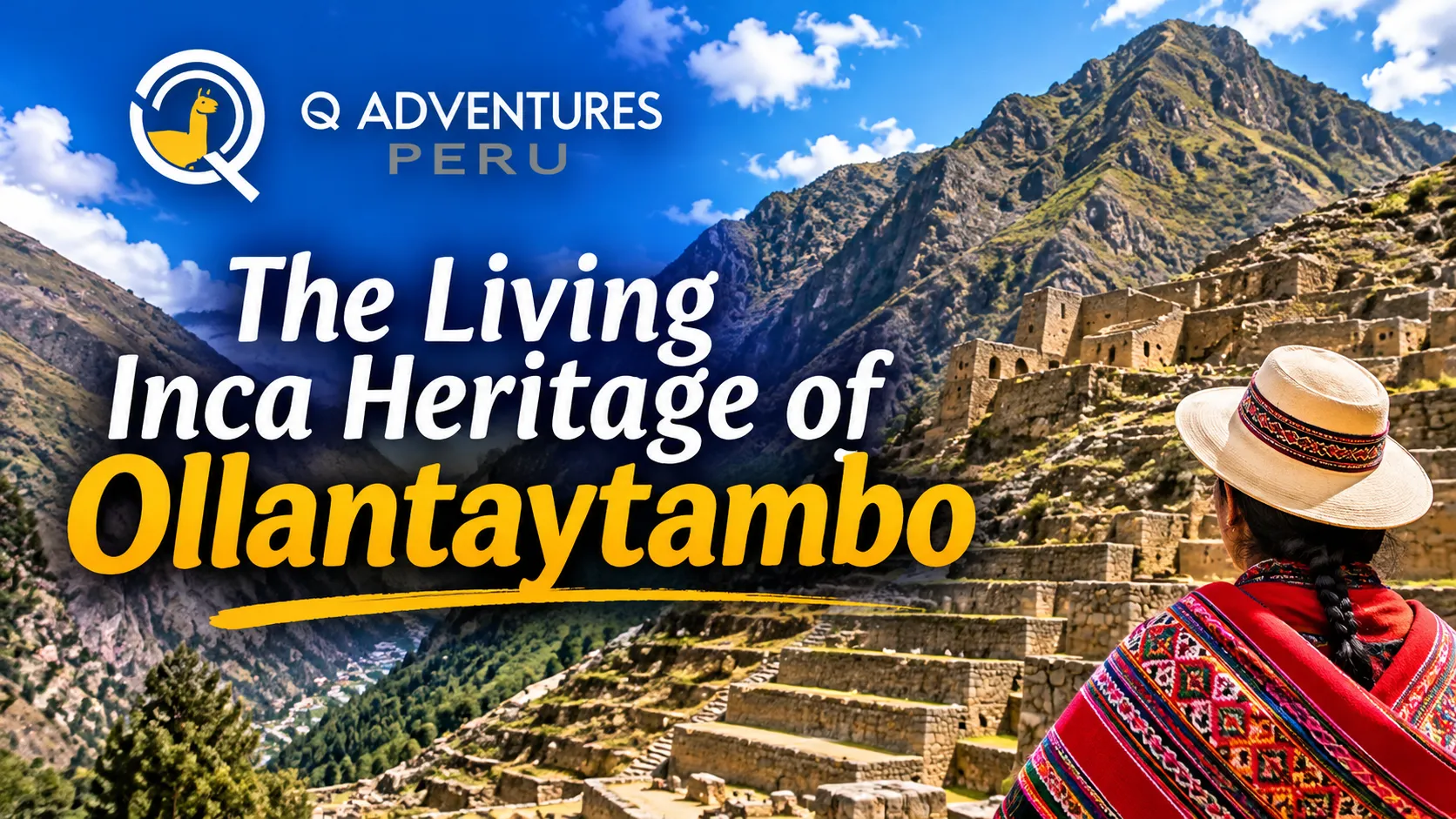
Ollantaytambo is one of the most remarkable destinations in the Sacred Valley of Peru. Known for its impressive stone constructions, ancient agricultural terraces, and traditional Andean lifestyle, this historic town offers visitors a unique opportunity to experience the legacy of the Inca civilization. Unlike many archaeological sites that exist mainly as ruins, Ollantaytambo continues to be a living community where ancestral traditions remain part of everyday life.
Walking through its narrow cobblestone streets feels like traveling through history. Original Inca walls, traditional houses, water channels, and surrounding mountains create an atmosphere that connects the past with the present. For travelers planning their journey through the Sacred Valley, staying in ollantaytambo offers an excellent opportunity to explore this cultural heritage at a comfortable pace while discovering the beauty of the Andes.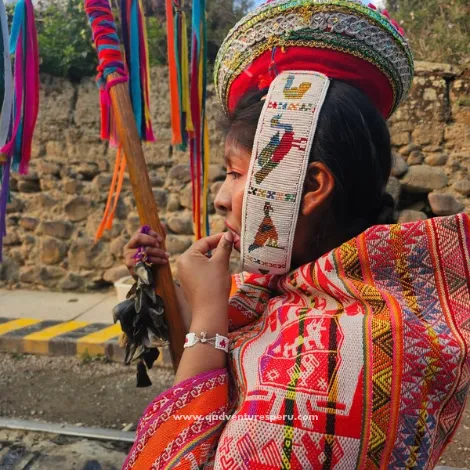
Ollantaytambo: A Living Inca Town
Ollantaytambo is often described as a living Inca town because its original urban layout remains visible and continues to shape local life. Many streets follow the same foundations established centuries ago, and some houses incorporate ancient stone walls that have survived generations.
The town is organized into traditional blocks known as canchas. These residential units were designed around central courtyards and connected through narrow streets. Their layout reflects the Inca approach to architecture, which combined practicality, community organization, and harmony with the surrounding landscape.
One of the most fascinating aspects of Ollantaytambo is its water system. Small stone channels run through the streets, carrying water through the town. This engineering tradition demonstrates how the Incas understood the importance of water management and incorporated it into their urban planning.
Today, local families continue to live in these historic surroundings, maintaining customs that connect contemporary Andean culture with its ancestral roots. Visitors can observe traditional architecture, agricultural activities, and community life while exploring the town respectfully.
The Archaeological Complex of Ollantaytambo
The archaeological complex is one of the most important attractions in the Sacred Valley. Built on a hillside overlooking the town, it features monumental terraces, ceremonial structures, temples, and impressive stonework.
The site is particularly famous for its enormous stone blocks, which were transported from distant quarries across challenging mountain terrain. Their precise placement demonstrates the advanced construction knowledge of the Inca civilization.
The Temple of the Sun
One of the most recognizable structures is the Temple of the Sun, located in the upper section of the archaeological complex. Its massive stone blocks are carefully fitted together, creating a striking example of Inca masonry.
The construction is associated with ceremonial and astronomical significance. Although many details about its original purpose remain subjects of historical interpretation, its impressive design reflects the importance of religious and political architecture in the Inca world.
The Agricultural Terraces
The terraces surrounding the archaeological complex are another outstanding feature. Built into the steep mountainside, they helped the Incas cultivate crops, manage water, and reduce soil erosion.
These agricultural structures also demonstrate how Inca communities adapted to the challenging geography of the Andes. Their design allowed people to make productive use of slopes that would otherwise have been difficult to farm.
The Inca Engineering Behind the Town
Ollantaytambo provides an excellent example of the engineering abilities developed by the Incas. Its architecture was carefully adapted to the natural environment, using local stone, mountain slopes, and water resources to create a functional settlement.
The drainage system helped manage rainwater, while the terraces supported agriculture and protected the landscape. Stone walls were built with remarkable precision, allowing many structures to withstand centuries of environmental changes.
The transportation of enormous stones to the archaeological complex remains one of the most impressive aspects of the site. The Incas moved heavy materials across difficult terrain without modern machinery, relying on organized labor, practical knowledge, and carefully planned construction methods.
These achievements make Ollantaytambo an important place for understanding how architecture, agriculture, and community organization worked together in the Inca world.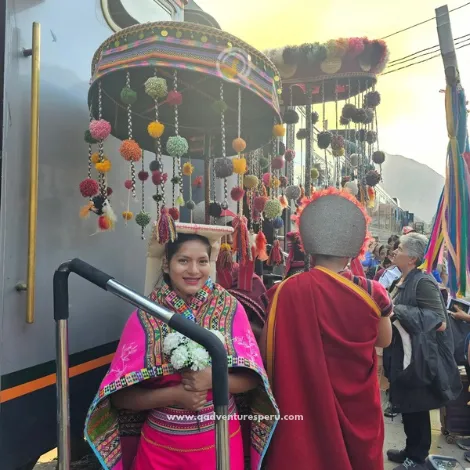
Traditional Andean Culture and Daily Life
The heritage of Ollantaytambo is not limited to its archaeological remains. The town also preserves cultural practices that continue to shape the identity of its residents.
Traditional agriculture remains important in the surrounding countryside. Families cultivate crops such as potatoes, corn, and other Andean products, following practices adapted to the region’s climate and geography. Agricultural knowledge is often shared between generations, preserving a connection with the land.
Local markets and small family businesses offer opportunities to discover regional products, handmade textiles, and traditional food. These places also provide a closer look at the everyday activities of the community.
Visitors may encounter traditional clothing, Quechua expressions, local celebrations, and customs influenced by both Indigenous traditions and later historical developments. Respectful interaction with residents can make a visit more meaningful and help travelers appreciate the cultural richness of the Sacred Valley.
Why Choose Ollantaytambo as Your Base in the Sacred Valley?
Ollantaytambo is an excellent base for travelers who want to explore the Sacred Valley while enjoying a destination rich in history and local character. Its location makes it possible to visit nearby archaeological sites, traditional communities, and beautiful Andean landscapes.
Choosing staying in ollantaytambo can also make travel arrangements more convenient for people planning to visit Machu Picchu. The town has a railway station with services connecting travelers to Aguas Calientes, the gateway to the famous Inca citadel. Train schedules and availability vary, so checking current departure information before traveling is recommended.
Another advantage is the opportunity to enjoy the town beyond a short daytime visit. Spending more time here allows travelers to explore its streets in the morning, appreciate the surrounding mountains, visit local businesses, and experience a quieter atmosphere after many day visitors leave.
What to See and Do in Ollantaytambo
Explore the Historic Streets
Begin your visit by walking through the old town. Observe the original stone foundations, traditional doorways, and water channels that remain part of the urban landscape. Take your time to appreciate the details of the architecture and the relationship between the town and its surroundings.
Visit the Archaeological Site
Set aside enough time to explore the archaeological complex. The climb through the terraces can be physically demanding because of the altitude and uneven steps, but the views of the valley and surrounding mountains make the effort worthwhile. Consider hiring a knowledgeable local guide to understand the historical and cultural importance of the structures.
Discover Local Markets
Local markets are ideal places to discover regional ingredients, handmade crafts, and traditional textiles. They also provide an opportunity to support local vendors and learn more about the products made and cultivated in the area.
Enjoy the Andean Landscape
The mountains surrounding Ollantaytambo create spectacular scenery throughout the year. Travelers can enjoy photography, countryside walks, and excursions to nearby communities. The changing light across the valley makes the landscape especially attractive during early mornings and late afternoons.
Practical Tips for Planning Your Visit
Planning ahead can help you enjoy Ollantaytambo more comfortably. The town is located at a high elevation, so travelers arriving from lower-altitude destinations should allow time to adjust before attempting strenuous activities.
- Bring comfortable footwear: Cobblestone streets, stone stairways, and archaeological paths require shoes with good grip.
- Pack sun protection: The Andean sun can be strong, even when temperatures feel cool. Bring sunscreen, sunglasses, and a hat.
- Carry water: Staying hydrated is important, particularly when walking uphill or exploring archaeological areas.
- Dress in layers: Temperatures can change throughout the day, so a light jacket and comfortable clothing are useful.
- Check entrance requirements: Confirm current ticket conditions and access rules for archaeological attractions before your visit.
- Respect local customs: Ask permission before photographing residents and support businesses that contribute to the local community.
Travelers considering staying in ollantaytambo should also reserve accommodation in advance during busy travel periods. This is particularly useful for visitors connecting to Machu Picchu by train or planning to spend several days exploring the valley.
Where to Stay and What to Expect
Ollantaytambo offers different accommodation options, from family-run guesthouses and comfortable hotels to small boutique properties. Many establishments are located within walking distance of the historic center, restaurants, and important attractions.
Some accommodations feature traditional architecture, peaceful courtyards, and views of the surrounding mountains. Others provide modern facilities for travelers who prefer additional comfort. Choosing a place close to the town center can make it easier to explore on foot and reach transportation connections.
For visitors interested in cultural experiences, staying in ollantaytambo provides an opportunity to experience the rhythm of a traditional Andean town. Early mornings are particularly rewarding, when the streets are quieter and the mountains begin to receive sunlight.
When selecting accommodation, consider your travel itinerary, transportation needs, and preferred level of comfort. If you plan to take an early train to Machu Picchu, check the distance between your accommodation and the station before booking.
Ollantaytambo and the Journey to Machu Picchu
Ollantaytambo is an important connection point for travelers visiting Machu Picchu. Its railway station provides access to trains heading toward Aguas Calientes, from where visitors continue their journey to the archaeological sanctuary.
However, the town deserves more than a brief stop before boarding a train. Its historical streets, archaeological complex, and surrounding countryside offer experiences that complement a visit to Machu Picchu.
Travelers who spend additional time here can discover another dimension of Inca history and contemporary Andean culture. Exploring both destinations creates a richer understanding of the region and its cultural heritage.
With thoughtful planning, staying in ollantaytambo can become an important part of a memorable journey through Peru. It allows visitors to enjoy the Sacred Valley while maintaining convenient access to one of the country’s most celebrated archaeological destinations.
Travel Responsibly and Support Local Communities
Responsible tourism plays an important role in preserving Ollantaytambo’s cultural and natural heritage. The town’s historic architecture, agricultural traditions, and community life deserve respect and protection.
Travelers can contribute by choosing locally owned accommodations, purchasing crafts directly from artisans, eating at family-run restaurants, and following established visitor guidelines at archaeological sites.
It is also important to avoid damaging ancient walls, leaving litter, or entering restricted areas. Small actions can help protect these valuable places for future generations.
Q Adventures Peru encourages meaningful travel experiences that connect visitors with local communities, Andean landscapes, and the history of the region. Exploring Ollantaytambo with an open mind and a respectful attitude helps make tourism more beneficial for everyone.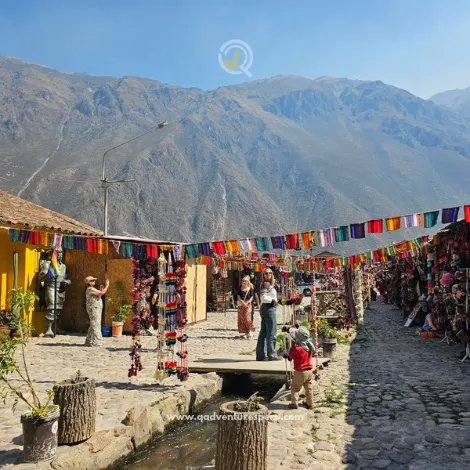
Discover the Living Inca Heritage of Ollantaytambo
Ollantaytambo is much more than an archaeological destination. It is a place where ancient architecture, traditional customs, and contemporary community life exist side by side. From its impressive terraces and stone temples to its historic streets and mountain scenery, every part of the town reveals something about the achievements and cultural legacy of the Incas.
For travelers seeking a deeper connection with the Sacred Valley, staying in ollantaytambo offers time to explore its history, appreciate its traditions, and experience the welcoming atmosphere of a living Andean community.
Discover Ollantaytambo with Q Adventures Peru and make this extraordinary town an essential part of your journey through the Andes.