

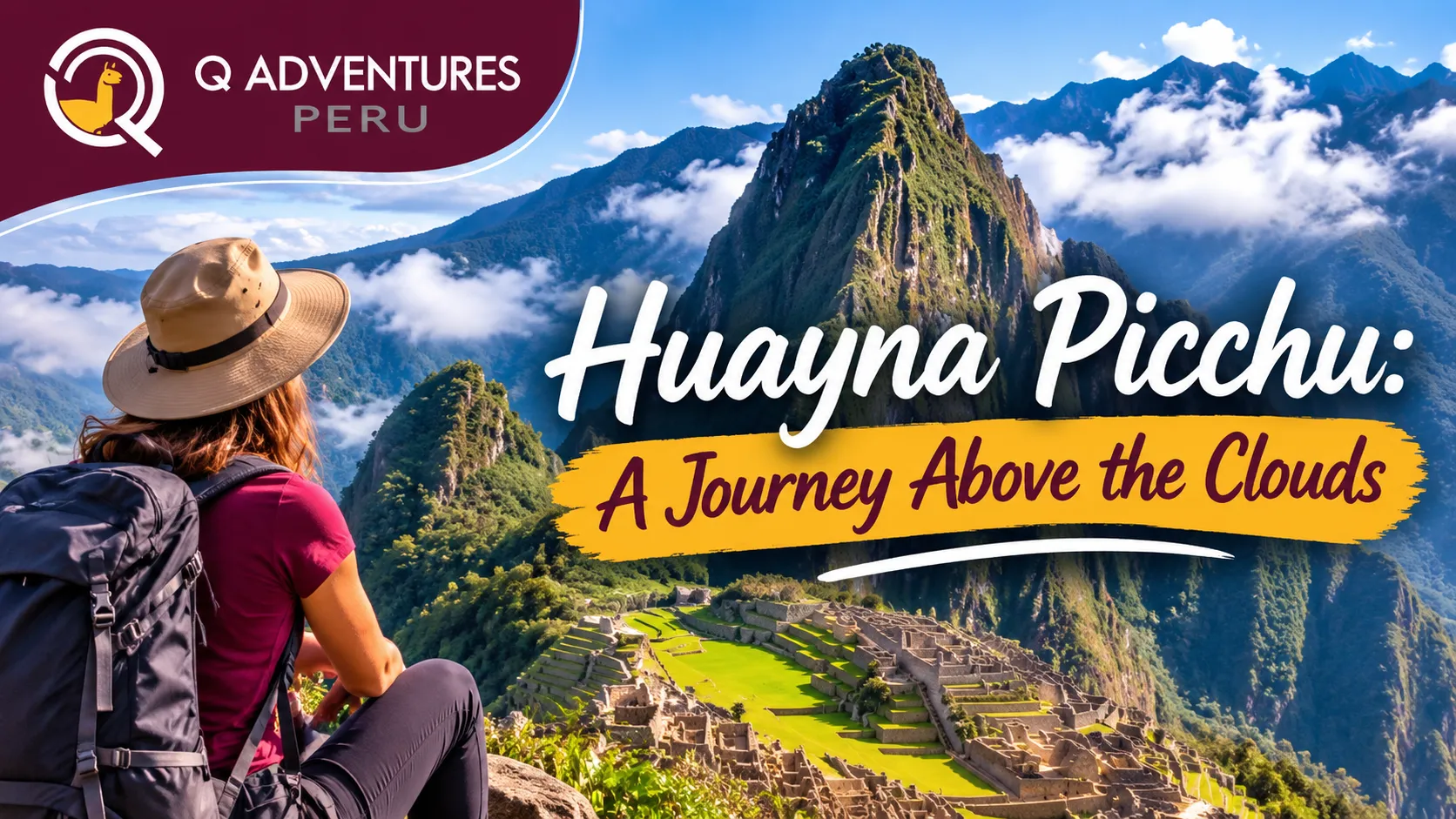
Rising dramatically behind the ancient citadel of Machu Picchu, Huayna Picchu is one of the most recognizable mountains in Peru. Its steep slopes, narrow stone pathways, and breathtaking views create an unforgettable adventure for travelers who want to experience the Andes from a different perspective. From its summit, the archaeological sanctuary appears surrounded by a sea of green mountains, deep valleys, and drifting clouds.
Although Huayna Picchu is famous for its challenging ascent, the surrounding mountains offer other opportunities to explore the landscape and appreciate the extraordinary Inca heritage. One of these alternatives is Huchuy Picchu, a smaller mountain located near the archaeological site. Understanding the differences between these routes can help visitors choose an experience that matches their interests, physical condition, and available time.
Whether you are attracted by the demanding climb, the archaeological history, or the spectacular scenery, exploring Huayna Picchu is an opportunity to discover the natural and cultural richness of the Machu Picchu region.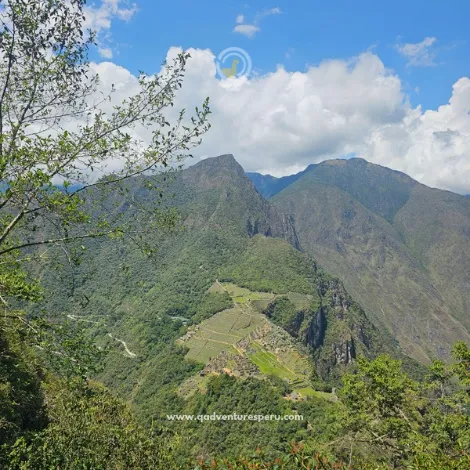
Huayna Picchu: The Mountain Above Machu Picchu
Huayna Picchu, whose name is commonly translated from Quechua as Young Mountain, rises approximately 2,693 meters (8,835 feet) above sea level. Its distinctive silhouette forms the dramatic background of the classic panoramic views of Machu Picchu.
The mountain is more than a beautiful natural landmark. Its slopes contain archaeological remains, agricultural terraces, stone stairways, and structures that demonstrate how the Incas adapted their constructions to difficult mountain environments.
From different viewpoints along the ascent, visitors can observe the archaeological sanctuary from above. The changing perspective reveals the relationship between the citadel, surrounding mountains, and the Urubamba River winding through the valley.
Huchuy Picchu: A Smaller Mountain with a Different Perspective
Located near Huayna Picchu, Huchuy Picchu is a smaller mountain that provides another way to appreciate the landscape surrounding Machu Picchu. Its name is generally understood as Little Mountain in Quechua, reflecting its more modest size compared with its famous neighbor.
The huchuy picchu mountain route is often considered a less demanding alternative to the steep ascent of Huayna Picchu. Its shorter climb can appeal to travelers who want to enjoy elevated views without undertaking a particularly strenuous mountain hike.
Although the experience is different, the scenery remains impressive. Visitors can appreciate the archaeological sanctuary, the surrounding peaks, and the dramatic geography that makes this region so distinctive.
What Makes Huchuy Picchu Special?
Huchuy Picchu offers a quieter perspective of the mountainous environment around the Inca citadel. Its location provides opportunities for photography and observation while allowing visitors to experience another part of the area’s natural landscape.
The huchuy picchu mountain experience may be suitable for travelers with limited time or those who prefer a shorter climb. However, it is important to remember that access conditions, available circuits, and ticket categories are regulated and may change. Visitors should always confirm the current requirements through official channels before planning their excursion.
Huayna Picchu vs. Huchuy Picchu: Understanding the Differences
Although these mountains are close to one another, they provide different hiking experiences. Huayna Picchu is known for its steep stairways and more demanding ascent, while Huchuy Picchu offers a shorter route with a more moderate physical challenge.
- Elevation: Huayna Picchu reaches approximately 2,693 meters above sea level, while Huchuy Picchu is lower.
- Difficulty: Huayna Picchu involves steep sections and exposed stairways. Huchuy Picchu generally requires less climbing.
- Duration: The Huayna Picchu excursion usually takes longer, while the Huchuy Picchu route is comparatively short. Actual times depend on walking speed, conditions, and access arrangements.
- Views: Both provide elevated perspectives of Machu Picchu, although the viewpoints and overall experiences differ.
- Experience: Huayna Picchu is ideal for visitors seeking a challenging mountain adventure, while Huchuy Picchu can appeal to those looking for a shorter excursion.
Choosing the huchuy picchu mountain route does not mean missing the cultural importance of the area. Both mountains form part of a landscape shaped by Inca engineering, natural geography, and centuries of history.
The Inca Heritage Along the Mountain Trails
The mountains surrounding Machu Picchu preserve important evidence of the Inca relationship with the environment. Stone stairways, agricultural terraces, and carefully positioned structures reveal how ancient builders worked with steep slopes and changing elevations.
Stone Stairways and Mountain Engineering
One of the most memorable features of Huayna Picchu is its network of stone steps. These stairways follow the natural contours of the mountain, connecting different sections of the route and allowing movement through steep terrain.
Some sections are narrow and exposed, which makes careful walking essential. The construction demonstrates the practical knowledge required to create pathways in a challenging landscape.
Agricultural Terraces
Terraces were an important part of Inca agricultural and engineering systems. Built into mountain slopes, they helped create cultivation areas, manage water, and reduce soil erosion.
These structures also transformed the appearance of the landscape, creating a visual connection between human activity and the natural environment. Similar terraces can be observed throughout the Machu Picchu sanctuary and the Sacred Valley.
Spiritual Connections with the Mountains
Mountains have long held cultural and spiritual significance in Andean traditions. The concept of Apus refers to sacred mountain spirits associated with protection and the natural world.
Although the precise religious meanings of individual Inca structures require careful historical interpretation, the placement of archaeological sites within dramatic mountain landscapes reflects the importance of geography in Andean cultural life.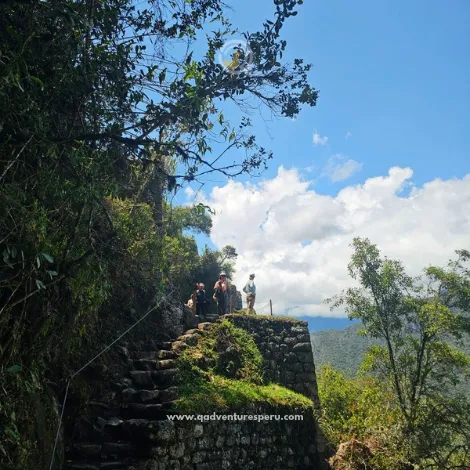
What to Expect During the Huayna Picchu Hike
Climbing Huayna Picchu is a memorable experience, but visitors should be prepared for a physically demanding route. The ascent includes uneven stone steps, narrow passages, and sections where the mountain drops steeply beside the trail.
At certain points, the pathway becomes particularly steep. Walking slowly, maintaining balance, and following the instructions of site staff are essential. Travelers who are uncomfortable with heights should carefully consider whether this route is appropriate for them.
The reward is an extraordinary view of the surrounding mountains and the archaeological sanctuary. On clear days, the landscape reveals layers of green peaks and deep valleys. Clouds may also move across the mountain, creating the atmospheric scenery often associated with the Andes.
Best Time to Explore the Mountains of Machu Picchu
Machu Picchu can be visited throughout the year, but weather conditions influence the hiking experience. The region generally has a drier season and a wetter season, each offering different advantages.
Dry Season
The drier months, generally from May to September, often provide more favorable conditions for hiking. There is usually less rainfall, and visitors may enjoy clearer views of the surrounding mountains.
However, this period is also popular with travelers, so tickets and transportation should be organized in advance.
Rainy Season
The wetter season generally extends from November to March. Rainfall can make stone steps and pathways slippery, and clouds may limit visibility. On the other hand, the surrounding vegetation becomes especially green and lush.
Weather in the mountains can change quickly, regardless of the season. Always check the forecast and follow local safety recommendations before beginning a hike.
Practical Tips Before Your Mountain Adventure
Preparation can make a significant difference when exploring the mountains around Machu Picchu. Consider these recommendations before your visit:
- Reserve your entrance in advance: Mountain access is subject to specific ticket categories and limited availability.
- Check official regulations: Confirm the permitted visiting circuit, entry time, and current access conditions.
- Wear suitable footwear: Choose comfortable hiking shoes with good traction for uneven stone steps.
- Carry water: Bring enough drinking water for your excursion, following the site’s rules about permitted items.
- Protect yourself from the sun: Use sunscreen, sunglasses, and a hat, even when clouds are present.
- Pack light: A small backpack makes climbing easier and helps you move safely through narrow sections.
- Respect the route: Stay on designated paths and follow instructions from authorized personnel.
- Consider your physical condition: Choose a route appropriate for your fitness level and comfort with heights.
If you are considering the huchuy picchu mountain excursion, remember that a shorter route still requires attention to the terrain and altitude. Comfortable footwear and a relaxed pace are important for enjoying the experience safely.
How to Get to Machu Picchu
Most visitors reach Machu Picchu through Aguas Calientes, also known as Machu Picchu Pueblo. Travelers commonly take a train from Ollantaytambo or another authorized departure point before continuing from the town to the archaeological sanctuary.
Another option for experienced hikers is the Inca Trail, which follows ancient pathways through Andean landscapes and archaeological sites. This trekking experience requires advance planning and the appropriate permit.
Once at Machu Picchu, visitors must follow their assigned entrance circuit and any additional access arrangements for the mountain they have reserved. It is essential to coordinate the main archaeological visit with the mountain entry time to avoid rushing.
Where to Stay Before Your Excursion
Choosing suitable accommodation can make your visit more comfortable, especially if you have an early entrance time. Aguas Calientes offers a range of hotels, guesthouses, and restaurants close to the transportation services connecting the town with Machu Picchu.
Ollantaytambo is another practical option for travelers who want to explore the Sacred Valley before taking the train. Staying there allows visitors to discover its traditional streets and archaeological complex while preparing for the next stage of their journey.
Cusco offers the widest variety of accommodation and is a convenient base for exploring the region. However, visitors should plan the journey to Machu Picchu carefully, considering train schedules and travel times.
Responsible Tourism in the Machu Picchu Mountains
The mountains and archaeological structures surrounding Machu Picchu are part of a valuable cultural and natural heritage. Protecting them requires responsible behavior from every visitor.
Do not leave litter, remove stones, damage vegetation, or walk outside authorized routes. Avoid touching fragile archaeological structures and respect any restrictions established to protect visitors and the site.
Supporting local businesses, hiring qualified guides, and purchasing crafts directly from regional artisans can also contribute to the communities that form part of the wider tourism experience.
When visiting the huchuy picchu mountain area, responsible behavior helps preserve the landscape and ensures that future travelers can continue enjoying its remarkable views.
Discover the Mountains of Machu Picchu with Q Adventures Peru
Huayna Picchu and Huchuy Picchu offer different ways to experience the extraordinary landscape surrounding Machu Picchu. One is known for its demanding ascent and dramatic stairways, while the other provides a shorter route with a distinct elevated perspective.
Understanding the differences between these mountains helps travelers choose an excursion that matches their interests and abilities. Both experiences reveal the beauty of the Andes and provide another opportunity to appreciate the relationship between Inca architecture and the natural environment.
With Q Adventures Peru, you can explore the history, landscapes, and traditions of this remarkable region through thoughtfully planned travel experiences. Prepare your visit, respect the mountain environment, and enjoy a journey above the clouds in one of Peru’s most unforgettable destinations.