

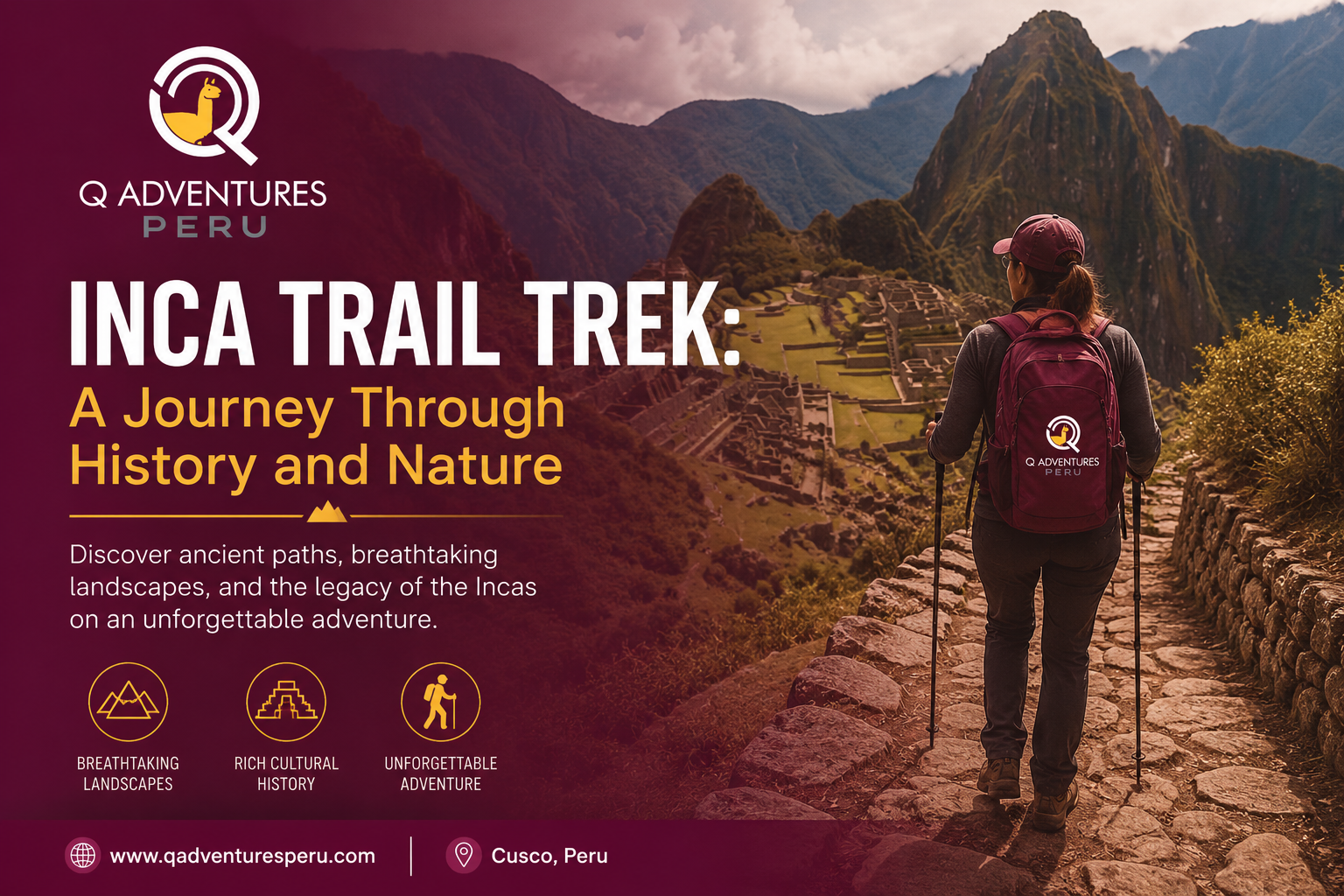
The Inca Trail is one of the world’s most iconic hiking routes, offering an unforgettable combination of ancient history, breathtaking landscapes, and cultural discovery. Stretching through the Peruvian Andes, this legendary trek follows original stone paths built by the Inca civilization centuries ago and leads adventurers to the magnificent citadel of Machu Picchu.
Every step along the trail reveals spectacular mountain scenery, fascinating archaeological sites, and a deeper appreciation for one of the greatest civilizations in South American history.
Why the Inca Trail Is So Famous?
The inca trail is much more than a hiking route. It is a historic pathway that once formed part of the vast road network connecting the Inca Empire. Today, travelers from around the world choose this trek for its unique combination of adventure, archaeology, and stunning natural beauty.
Unlike other routes to Machu Picchu, hikers arrive through the Sun Gate, enjoying a breathtaking first view of the ancient citadel.
This unforgettable arrival makes the experience truly unique.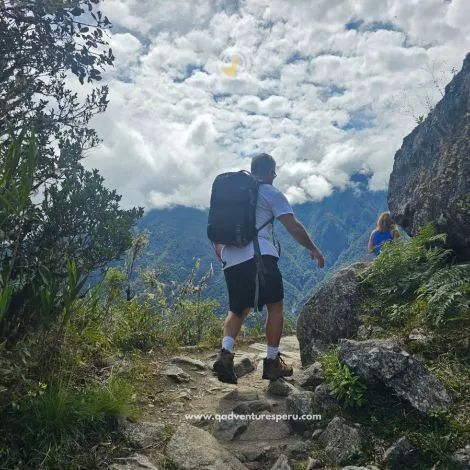
Explore Ancient Archaeological Sites
Throughout the inca trail, hikers encounter several remarkable archaeological sites hidden among mountains and cloud forests. These include Wiñay Wayna, Sayacmarca, Runkurakay, and Phuyupatamarca, each offering insight into the engineering and architectural brilliance of the Inca civilization.
These ancient settlements served important ceremonial, agricultural, and strategic purposes during the height of the empire.
Exploring these ruins adds historical depth to every stage of the journey.
Breathtaking Natural Landscapes
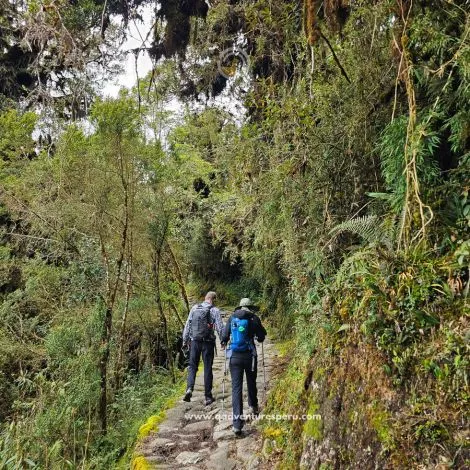
One of the greatest attractions of the inca trail is its incredible diversity of landscapes. Hikers pass through cloud forests, alpine meadows, mountain passes, lush valleys, and subtropical vegetation while enjoying spectacular views of the Andes.
The constantly changing scenery makes every day of the trek a completely different experience.
Nature lovers and photographers will find endless opportunities to capture unforgettable moments.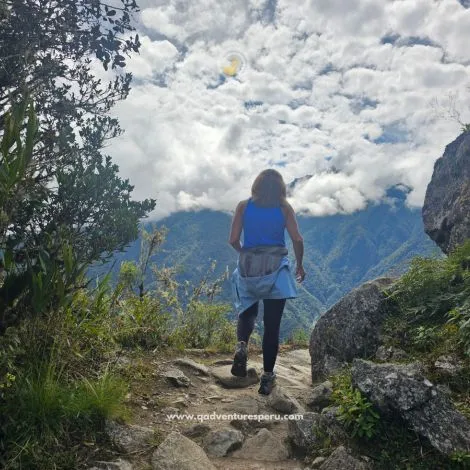
Wildlife and Flora Along the Route
The inca trail passes through protected natural areas that are home to a rich variety of wildlife and native plants. Depending on the season, hikers may encounter orchids, hummingbirds, spectacled bears, llamas, and numerous bird species.
The ecological diversity of the region contributes to the trail’s status as one of the world’s most extraordinary trekking destinations.
The peaceful environment creates a perfect balance between adventure and nature.
Preparing for the Trek
Successfully completing the inca trail requires preparation. Since the route reaches high elevations, travelers should spend several days acclimatizing in Cusco before beginning the hike.
Good physical fitness, appropriate hiking equipment, and booking permits well in advance are essential for an enjoyable experience.
Planning ahead ensures a safe and rewarding adventure.
Essential Travel Tips
- Book permits several months before your trip.
- Acclimatize to the altitude before starting the hike.
- Wear high-quality hiking boots.
- Pack lightweight clothing for changing weather conditions.
- Bring sunscreen, insect repellent, and a reusable water bottle.
- Follow your guide’s instructions and respect archaeological sites.

Frequently Asked Questions
- How long does the Inca Trail take?
The Classic Inca Trail usually takes four days and three nights, while shorter versions are also available.
- Is the trek difficult?
It is considered moderately challenging because of the altitude and mountainous terrain, but it is achievable for most active travelers.
- Do I need a permit?
Yes. Access is limited, and all hikers must book through an authorized tour operator.
- What is the best time to hike?
The dry season, from May to September, generally offers the best trekking conditions.
Conclusion
The inca trail is far more than a route to Machu Picchu—it is a remarkable journey through history, culture, and nature. From ancient archaeological sites and breathtaking mountain scenery to unforgettable wildlife encounters and centuries-old stone pathways, every moment along the trail offers a deeper connection to Peru’s extraordinary heritage. For travelers seeking adventure with historical significance, the Inca Trail remains one of the world’s greatest trekking experiences.