

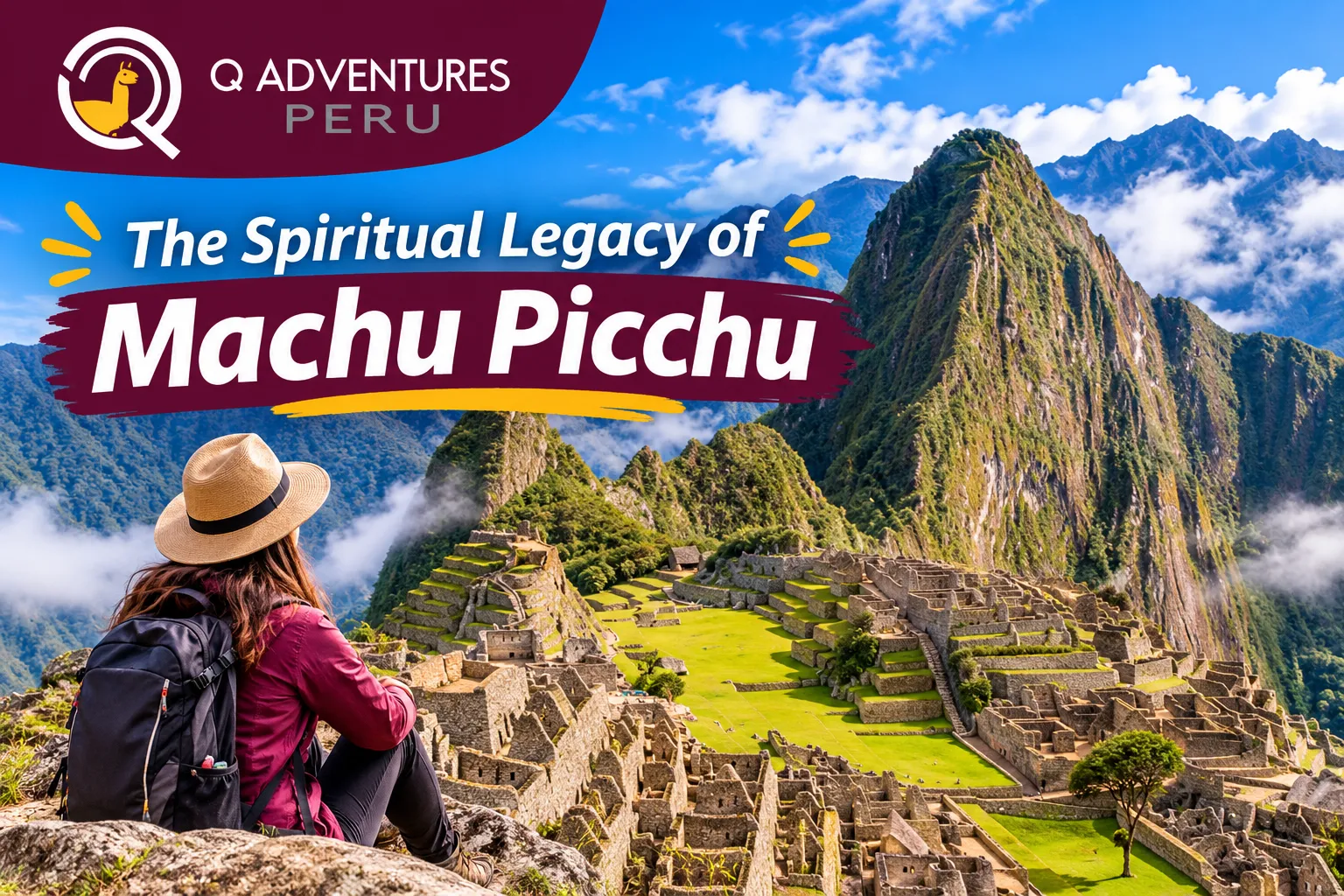
Machu Picchu is much more than an extraordinary archaeological site. Hidden among the mountains of the Peruvian Andes, this ancient Inca citadel represents a profound connection between architecture, nature, spirituality, and the universe. Its temples, terraces, sacred rocks, and ceremonial spaces reveal how the Inca civilization understood the world and organized its relationship with the natural environment.
For centuries, Machu Picchu has fascinated historians, archaeologists, and travelers from around the globe. Its impressive stone constructions demonstrate remarkable engineering skills, while its location among towering peaks creates an atmosphere that many visitors describe as deeply moving. Exploring this remarkable destination offers an opportunity to understand the spiritual traditions that influenced Inca society and continue to shape Andean culture today.
Planning a meaningful visit involves more than purchasing an entrance ticket. Travelers should consider transportation, accommodation, guided experiences, and enough time to appreciate the archaeological sanctuary. Choosing convenient places to stay in machu picchu can also make it easier to experience the citadel without rushing through its most important areas.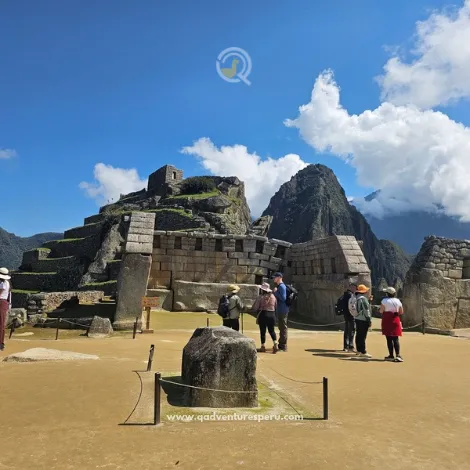
The Spiritual Worldview of the Incas
The Inca civilization developed a worldview in which human beings, nature, and the spiritual world were closely interconnected. Mountains, rivers, the sun, the moon, and the earth were not simply elements of the landscape. They held sacred significance and were associated with forces that influenced agricultural cycles, community life, and the well-being of society.
One of the most important concepts in Andean spirituality is Pachamama, commonly understood as Mother Earth. She represents the earth as a source of life, nourishment, and fertility. Traditional offerings and ceremonies express gratitude and maintain a symbolic relationship between people and the natural environment.
Another important concept is the Apus, or sacred mountains. In traditional Andean beliefs, mountains are considered powerful protective beings connected with communities and their territories. Their presence can be recognized throughout the landscape surrounding Cusco, where impressive peaks dominate the horizon.
The Incas also honored Inti, the sun deity, whose movement was essential for agricultural calendars and ceremonial life. These beliefs influenced the orientation and function of important religious structures, creating a close relationship between architecture and astronomical observation.
Machu Picchu: A Sacred Landscape in the Andes
The location of Machu Picchu is one of its most remarkable characteristics. Built on a mountain ridge between the peaks of Machu Picchu and Huayna Picchu, the citadel overlooks the winding Urubamba River and a landscape of steep slopes covered in vegetation.
Its position was not only strategically impressive but also meaningful within the broader Andean understanding of nature. The surrounding mountains, rivers, and changing sunlight create a setting in which natural features become an essential part of the experience of the archaeological complex.
Although researchers continue to study the site’s original purposes, Machu Picchu is widely understood to have served several functions, potentially including residential, ceremonial, administrative, and agricultural activities. Its carefully planned sectors demonstrate the complexity of Inca urban organization.
Walking through the citadel allows visitors to observe how stone buildings, terraces, water channels, and natural rock formations were integrated into the mountainous environment. This relationship between construction and landscape is central to understanding the site’s cultural significance.
The Temple of the Sun: Architecture and Astronomical Knowledge
The Temple of the Sun is one of the most important religious structures within Machu Picchu. Its curved stone walls and carefully positioned openings demonstrate the advanced construction techniques developed by Inca builders.
The structure is associated with solar observation and ceremonial activities. Its design suggests an understanding of how sunlight interacts with the surrounding landscape during different periods of the year.
The sun played a fundamental role in Inca society because agricultural activities depended on seasonal cycles. Observations of solar movements helped communities organize planting and harvesting periods, while ceremonies honored the forces believed to sustain life.
The Temple of the Sun provides an opportunity to appreciate how architecture, astronomy, and spirituality were connected in the Inca world. Its location within the citadel also highlights the importance of sacred spaces in the organization of the settlement.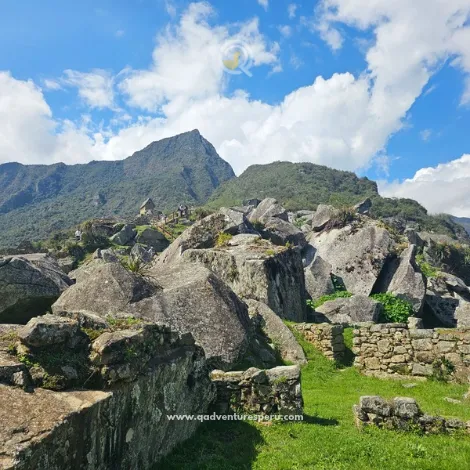
The Intihuatana: A Connection with the Sun
The Intihuatana is one of the most intriguing carved stone structures at Machu Picchu. Its name is commonly translated as “the place where the sun is tied,” although interpretations of its precise function remain a subject of archaeological discussion.
The stone is associated with solar observation and may have played a role in ceremonial or astronomical practices. Its carefully shaped surfaces and elevated position demonstrate the importance of natural light and celestial movements in the design of the citadel.
For visitors, the Intihuatana offers an opportunity to reflect on the relationship between the Inca civilization and the cosmos. It is also a reminder that many aspects of ancient Andean knowledge are still being investigated and interpreted.
Because the structure is culturally and archaeologically significant, visitors should respect all access restrictions and avoid touching or climbing on protected stonework.
The Sacred Connection Between Mountains and Nature
Mountains occupy a central position in traditional Andean spirituality. The concept of the Apus reflects the belief that prominent peaks possess protective and spiritual qualities. These mountains were connected with rainfall, agricultural fertility, and the well-being of nearby communities.
At Machu Picchu, the surrounding peaks create a dramatic natural environment that reinforces the relationship between the citadel and the Andean landscape. Huayna Picchu rises above the archaeological complex, while the Urubamba River follows a winding course through the valley below.
For many travelers, observing the mountains from the terraces and viewpoints becomes one of the most memorable parts of the visit. The changing clouds, sunlight, and vegetation create an atmosphere that reveals a different side of the sanctuary throughout the day.
Understanding the spiritual importance of mountains also helps visitors appreciate why protecting the surrounding environment is essential. The cultural heritage of Machu Picchu cannot be separated from the natural landscape that gives it context.
The Agricultural Terraces: Harmony Between People and Earth
The agricultural terraces of Machu Picchu demonstrate the Incas’ extraordinary ability to adapt to difficult mountain conditions. Built along steep slopes, these structures helped create usable agricultural surfaces while managing water and reducing soil erosion.
The terraces were constructed using carefully arranged stone walls and layers of different materials that supported drainage and soil stability. Their design reflects practical knowledge developed through generations of agricultural experience.
Beyond their technical function, agricultural landscapes held cultural and symbolic importance. Farming was closely connected with seasonal ceremonies, community cooperation, and respect for Pachamama.
These terraces show how the Inca civilization combined engineering and environmental knowledge to create sustainable systems in mountainous terrain. Their presence remains one of the clearest examples of the relationship between human activity and the Andean environment.
Water as a Sacred and Essential Element
Water was essential to Inca life, supporting agriculture, domestic activities, and ceremonial practices. At Machu Picchu, an impressive system of channels and fountains transported water through the settlement using gravity.
The water system demonstrates the precision of Inca engineering. Stone channels were carefully designed to control the flow of water across the uneven terrain, while fountains provided access at different points within the citadel.
In Andean traditions, rivers, springs, and lakes are also associated with life and renewal. Water connects different parts of the natural environment and remains an important element in many traditional ceremonies.
Observing the fountains and channels during a visit provides insight into the practical and cultural importance of water in the ancient city. It also reveals how the builders incorporated natural resources into their architectural planning.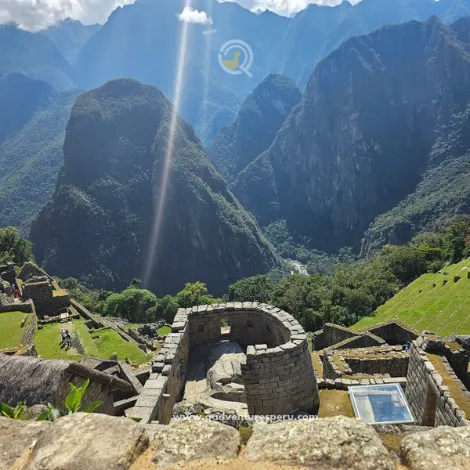
Andean Traditions That Continue Today
The spiritual legacy of the Incas is not limited to archaeological sites. Many Andean communities continue to maintain traditions that reflect respect for the earth, mountains, water, and agricultural cycles.
Offerings to Pachamama, known in many communities as pagos a la tierra, are among the practices associated with gratitude and reciprocity. These ceremonies vary between regions and communities, but they commonly express respect for the natural forces that sustain life.
Traditional textiles, music, agricultural celebrations, and community gatherings also preserve elements of Andean cultural identity. In the Cusco region, visitors can encounter these traditions through respectful cultural experiences guided by local residents.
Learning about contemporary Andean communities helps travelers understand that the cultural heritage of the Inca civilization is not simply a historical subject. It remains connected to the identity, knowledge, and daily practices of people throughout the Andes.
How to Experience the Spiritual Legacy of Machu Picchu
A thoughtful visit can help you appreciate the historical and cultural significance of the citadel beyond its famous panoramic views. Consider the following recommendations when planning your experience:
- Choose a knowledgeable guide: A professional local guide can explain the archaeological structures, historical interpretations, and cultural traditions associated with the site.
- Take time to observe the landscape: Notice the surrounding mountains, river, vegetation, and changing light.
- Explore the main ceremonial areas: Learn about the Temple of the Sun, the Intihuatana, and other important structures.
- Respect archaeological regulations: Follow designated circuits and avoid touching protected monuments.
- Learn about living traditions: Consider visiting local communities and artisan workshops to understand contemporary Andean culture.
- Travel at a comfortable pace: Allow enough time for transportation, entrance procedures, and exploration.
Visitors who want to deepen their understanding can also explore museums and cultural centers in Cusco, where archaeological objects and historical interpretations provide additional context about the Inca civilization.
Where to Stay When Visiting Machu Picchu
Accommodation is an important part of organizing your trip, especially if you want to visit the archaeological sanctuary early in the morning. Most travelers choose between staying in Aguas Calientes, Ollantaytambo, or Cusco, depending on their transportation plans and available time.
Aguas Calientes: Convenient Access to the Citadel
Aguas Calientes, officially known as Machu Picchu Pueblo, is the main town at the foot of the archaeological sanctuary. It offers hotels, guesthouses, restaurants, and shops, making it the most convenient overnight base for many visitors.
Staying here allows you to organize your entrance time more easily and avoid traveling from Cusco on the morning of your visit. Accommodation ranges from budget-friendly options to properties offering additional comfort and services.
Ollantaytambo: History and Andean Atmosphere
Ollantaytambo is an attractive alternative for travelers who want to explore the Sacred Valley before continuing toward Machu Picchu. Its traditional streets, archaeological complex, and mountain surroundings create an excellent setting for a relaxing overnight stay.
The town also has a major train station, although visitors should carefully check departure times and transportation arrangements when planning their itinerary.
Cusco: A Cultural Base for Your Journey
Cusco offers the widest variety of accommodation and is an excellent starting point for exploring the region. Visitors can enjoy museums, colonial architecture, restaurants, and archaeological attractions before traveling toward Machu Picchu.
If you are comparing places to stay in machu picchu, consider how much time you have and whether you prefer convenience near the sanctuary or a longer stay in a historic Andean city.
Booking in advance is recommended during popular travel periods. Always confirm your accommodation details, cancellation policies, and transportation schedules before departure.
Best Time to Visit and What to Bring
Machu Picchu can be visited throughout the year, although weather conditions vary by season. The dry season generally runs from May through September and often offers favorable conditions for walking and sightseeing. These months are also popular, so tickets and accommodation should be arranged early.
The rainy season generally extends from November through March. During this period, the surrounding vegetation becomes greener, but rain and mist may affect visibility and walking conditions. April and October are transitional months with variable weather.
For a comfortable visit, bring:
- Comfortable walking shoes with good grip.
- A lightweight waterproof jacket or rain poncho.
- Sunscreen, sunglasses, and a hat.
- A reusable water bottle, following current site regulations.
- Your entrance ticket and identification document.
- A small backpack for personal essentials.
- Insect repellent and any personal medication you may need.
Check the latest visitor regulations before arriving, as restrictions may apply to bags and other items. Preparing for changing weather will help you enjoy the experience more comfortably.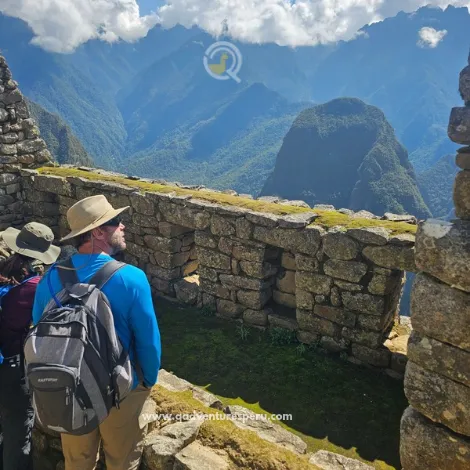
Responsible Tourism and the Preservation of Sacred Heritage
Machu Picchu is a protected cultural and natural sanctuary. Preserving its archaeological structures and surrounding ecosystems requires cooperation between authorities, local communities, tourism operators, and visitors.
Travelers should remain on authorized routes, avoid touching fragile structures, and never remove stones or natural materials. Taking rubbish away, respecting wildlife, and following instructions from site personnel are simple ways to protect the environment.
Supporting local guides, restaurants, artisans, and accommodation providers can also contribute to the regional economy. When choosing places to stay in machu picchu, consider businesses that demonstrate responsible practices and respect for local communities.
Responsible travel also means approaching spiritual traditions with sensitivity. Visitors should avoid treating ceremonies as performances and should ask permission before photographing people or participating in cultural activities.
Discover the Spiritual Heritage of Machu Picchu with Q Adventures Peru
The spiritual legacy of Machu Picchu reveals a civilization that understood nature, architecture, astronomy, and community life as deeply connected elements. From the sacred mountains and ceremonial structures to the agricultural terraces and sophisticated water channels, every part of the citadel offers clues about the worldview of the ancient Incas.
Exploring this extraordinary destination with a knowledgeable guide can help you understand its historical significance while appreciating the natural environment that surrounds it. Taking time to learn about Andean traditions also creates a deeper connection with the cultural heritage that continues to thrive in the region.
Q Adventures Peru can help you organize a meaningful journey through Cusco and Machu Picchu, combining archaeological exploration, cultural experiences, and the spectacular landscapes of the Andes. Whether you are visiting for the first time or returning to discover more, thoughtful planning can make your experience even more rewarding.
Discover the ancient wisdom of the Andes, respect the traditions of its people, and experience the remarkable spiritual heritage of Machu Picchu.