

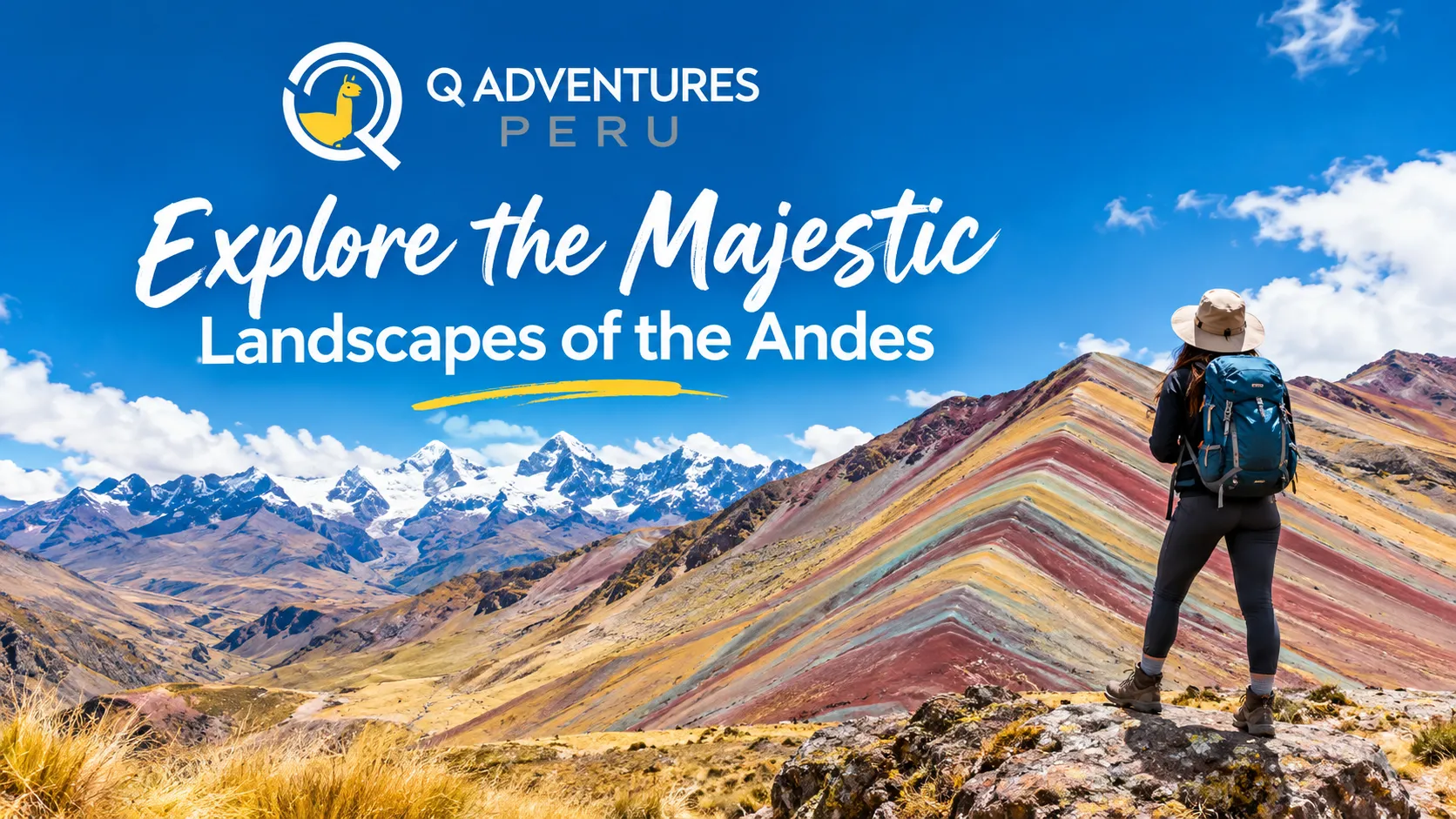
The Andes Mountains are among the most spectacular natural wonders in South America, offering dramatic peaks, deep valleys, turquoise lakes, and traditional villages surrounded by breathtaking scenery. In Peru, this extraordinary mountain range shapes the landscape, culture, and daily life of countless communities. For travelers seeking adventure, nature, and authentic cultural experiences, \the andes in cusco\ offer an unforgettable opportunity to discover the beauty of the Peruvian highlands.
From colorful mountain formations and ancient agricultural terraces to peaceful lagoons and remote hiking trails, the Cusco region brings together remarkable natural diversity and centuries of history. Every journey through these mountains reveals a different perspective on the relationship between people and the environment. Whether you enjoy trekking, photography, wildlife observation, or cultural exploration, the Andean landscapes invite you to travel beyond the ordinary.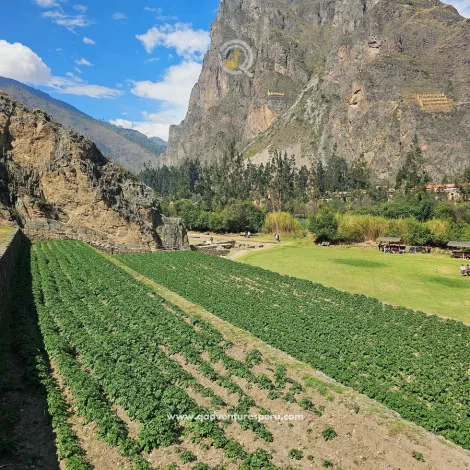
Discover the Extraordinary Geography of the Andes
The Andes stretch along the western side of South America, crossing several countries and creating a wide variety of environments. In Peru, the mountain range includes snow-covered summits, high-altitude plateaus, fertile valleys, and ecosystems that change dramatically with elevation.
The Cusco region is particularly fascinating because its geography combines rugged mountains with productive agricultural land and tropical cloud forests. Rivers descend through narrow valleys, while traditional communities occupy slopes where generations of farmers have cultivated potatoes, corn, quinoa, and other crops adapted to local conditions.
Exploring the andes in cusco allows visitors to appreciate how altitude, climate, and terrain influence the region’s natural beauty and cultural traditions. The changing scenery also creates opportunities for different types of excursions, from leisurely walks through rural villages to demanding hikes across high mountain passes.
Although the landscapes can look untouched, many areas have been shaped by centuries of human activity. Ancient pathways, stone terraces, irrigation channels, and archaeological remains reveal how Andean societies developed sophisticated ways to live in challenging mountain environments.
Rainbow Mountain: A Spectacular Display of Natural Colors
Vinicunca, widely known as Rainbow Mountain, is one of the most recognizable natural attractions near Cusco. Its colorful slopes display layers of red, ochre, green, yellow, and other mineral tones that create a striking contrast against the surrounding mountains.
These colors result from geological processes and the presence of different mineral compositions in the sedimentary layers. Over time, tectonic movements and erosion exposed the formations that visitors admire today.
Reaching the viewpoint generally involves traveling through high-altitude terrain and completing a hike. The route can be physically demanding because of the elevation, so travelers should allow time to acclimatize in Cusco before attempting the excursion. Weather conditions can also change quickly, making warm clothing, sturdy footwear, sun protection, and rain gear important.
For nature enthusiasts, this destination demonstrates the remarkable geological diversity of the region. It also provides opportunities to observe highland grasslands, grazing alpacas, and the traditional way of life maintained by some nearby communities.
Humantay Lake: Turquoise Waters Beneath Mountain Peaks
Humantay Lake is another unforgettable destination for visitors who appreciate dramatic mountain scenery. Located in the highlands northwest of Cusco, this glacial lake is known for its turquoise water, which contrasts beautifully with the rocky slopes and snow-covered peaks around it.
The journey usually begins with a drive toward the trailhead, followed by a hike to the lake. Although the walking distance is relatively short compared with some multi-day treks, the steep sections and high elevation can make the ascent challenging.
Visitors who reach the lake are rewarded with an impressive natural setting that feels far removed from the busy streets of the city. The clear water, rugged mountains, and changing light create excellent opportunities for photography and quiet appreciation of the landscape.
When exploring the andes in cusco, destinations such as Humantay Lake show how glaciers, mountain geology, and local weather patterns contribute to the region’s distinctive scenery. Travelers should follow designated trails, respect local guidance, and avoid leaving waste in this fragile high-altitude environment.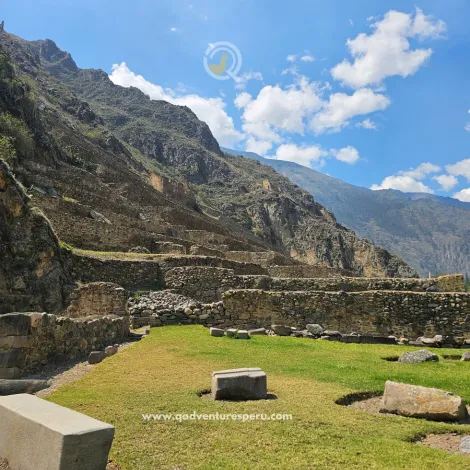
The Sacred Valley: Mountains, Rivers, and Ancient Heritage
The Sacred Valley of the Incas offers a different perspective on the Andean landscape. Instead of focusing exclusively on high peaks, this fertile region features winding rivers, terraced hillsides, traditional settlements, and archaeological complexes built into the surrounding mountains.
Pisac is known for its extensive Inca ruins, agricultural terraces, and traditional market. From elevated viewpoints, visitors can observe how the archaeological structures blend into the natural contours of the valley.
Ollantaytambo combines impressive stone architecture with a living Andean town. Its terraces climb the mountainside, while narrow streets and water channels reflect the enduring influence of Inca urban planning. The surrounding peaks create a dramatic backdrop for walking tours and photography.
The Sacred Valley also offers opportunities to discover local agriculture, traditional weaving, and regional cuisine. Visiting artisan workshops or community-based tourism projects can help travelers understand how local knowledge continues to shape life in the mountains.
For those interested in both nature and history, the valley is an excellent place to experience the connection between Andean geography and human achievement.
Explore the Mountains Through Hiking and Trekking
Hiking is one of the most rewarding ways to experience the landscapes surrounding Cusco. Walking through the mountains allows travelers to notice details that may be missed from a vehicle, including native plants, changing rock formations, traditional stone paths, and panoramic views across distant valleys.
The Inca Trail to Machu Picchu
The classic Inca Trail is a multi-day trekking route that combines mountain scenery, cloud forests, archaeological sites, and historic stone pathways. Along the route, hikers encounter changes in vegetation and climate as the trail crosses different elevations.
The experience culminates at Machu Picchu, the famous Inca citadel surrounded by steep green mountains. Because access to the classic trail is regulated and permits are limited, travelers should arrange their journey with an authorized operator well in advance.
Alternative Trekking Routes
Travelers who want to explore beyond the classic route can consider alternatives such as the Salkantay Trek or the Lares Trek. Salkantay is known for its impressive mountain scenery and changing ecosystems, while Lares offers opportunities to encounter traditional highland communities and learn about local cultural practices.
Each route has different physical demands, durations, and logistical requirements. Selecting an itinerary that matches your fitness level and travel schedule is essential for enjoying the experience safely.
Whether you choose a short day hike or a multi-day adventure, walking through the andes in cusco offers an intimate way to appreciate the scale, beauty, and diversity of the Peruvian mountains.
Discover Traditional Andean Communities
The mountains are not only remarkable for their scenery. They are also home to communities whose traditions, languages, and agricultural practices have developed in close relationship with the surrounding environment.
In many rural areas, families continue to cultivate native crops, raise alpacas and llamas, and produce textiles using techniques passed down through generations. Natural dyes, hand-spun fibers, and traditional weaving patterns reflect both practical knowledge and cultural identity.
Community-based tourism gives visitors an opportunity to learn about these practices through respectful, locally guided experiences. Depending on the community and activity, travelers may observe textile production, learn about highland agriculture, or share a traditional meal prepared with regional ingredients.
Responsible tourism means recognizing that communities are living places rather than attractions. Visitors should follow local guidance, ask permission before photographing people, and support artisans directly when purchasing handmade products.
These encounters can add depth to a mountain journey by showing how cultural traditions remain connected to the land, seasons, and natural resources.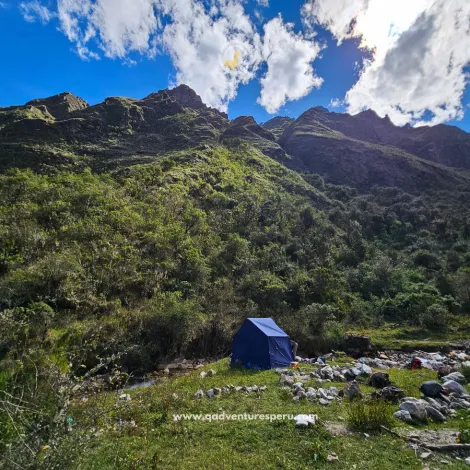
Wildlife and Biodiversity in the Andean Highlands
The Andes support a remarkable variety of plants and animals adapted to different elevations and environmental conditions. In the highlands around Cusco, open grasslands known as puna provide habitat for alpacas, llamas, and wild vicuñas. These animals are well adapted to the cold temperatures and limited vegetation of high-altitude environments.
Birdwatchers may also encounter Andean species in suitable habitats, including mountain caracaras and, in some areas, the Andean condor. The condor is particularly associated with dramatic cliffs and expansive mountain landscapes, although sightings are never guaranteed.
Plant life changes with elevation and moisture. High-altitude grasslands contain hardy vegetation, while lower valleys and cloud forests support a wider range of shrubs, trees, and flowering plants. This variation contributes to the region’s ecological importance.
Visitors can help protect biodiversity by staying on marked paths, avoiding disturbance to wildlife, and taking all rubbish away. Observing animals from a respectful distance is particularly important in sensitive habitats.
Photography: Capturing the Beauty of the Mountains
The Andean region provides extraordinary opportunities for photographers of all experience levels. Sunrise and late afternoon often create beautiful lighting across mountain ridges, agricultural terraces, and traditional villages. Clouds can add depth to the landscape, while clear weather reveals distant peaks and expansive valleys.
When photographing high-altitude destinations, take time to observe the surroundings rather than concentrating only on famous viewpoints. Small details, such as a stone pathway, a field of native crops, or a traditional doorway, can communicate the character of a place as effectively as a panoramic image.
Weather conditions can change rapidly, so protect cameras and mobile devices from rain, dust, and cold. Extra batteries may be useful because low temperatures can reduce battery performance.
Most importantly, be considerate when photographing residents and cultural activities. Ask permission when appropriate and respect any restrictions at archaeological sites or community spaces.
Best Time to Explore the Andean Landscapes
The weather around Cusco varies throughout the year, and the best time for a mountain excursion depends on your preferred activities and tolerance for changing conditions.
The dry season generally extends from May through September. These months often offer favorable conditions for trekking and scenic excursions, although nights can be cold and popular destinations may be busy. June, July, and August are especially popular travel months, so advance planning is advisable.
The rainy season generally runs from November through March, with rainfall often increasing during December, January, and February. Mountain landscapes can appear especially green, but muddy trails, clouds, and changing road conditions may affect outdoor plans.
April and October can offer a transition between the main seasons, though weather remains variable. No period guarantees clear skies, particularly at high elevations.
Regardless of the month, prepare for strong sunlight, cool temperatures, and sudden weather changes. Layered clothing, comfortable hiking shoes, sunscreen, and adequate drinking water are useful for most mountain excursions.
Practical Tips for a Safe Mountain Adventure
High-altitude travel requires preparation, particularly for visitors arriving directly from lower elevations. Cusco sits at approximately 3,400 meters above sea level, and many nearby mountain destinations are considerably higher.
- Acclimatize gradually: Spend time resting in Cusco before attempting strenuous hikes. Avoid overexertion during your first days.
- Recognize altitude sickness: Headaches, nausea, dizziness, and unusual fatigue can indicate altitude-related illness. Seek medical advice if symptoms develop, and descend promptly if symptoms become severe.
- Pack appropriate clothing: Bring layers, a waterproof jacket, warm accessories, and footwear suitable for uneven terrain.
- Stay hydrated: Drink water regularly and carry enough for your planned activity.
- Check local conditions: Ask your tour operator about trail conditions, transportation, weather, and the difficulty of the route.
- Travel responsibly: Follow marked paths, respect archaeological remains, and avoid leaving waste behind.
Good preparation makes it easier to enjoy the scenery while reducing avoidable risks. For challenging routes, choose an experienced operator who can explain the itinerary, safety procedures, and physical requirements before departure.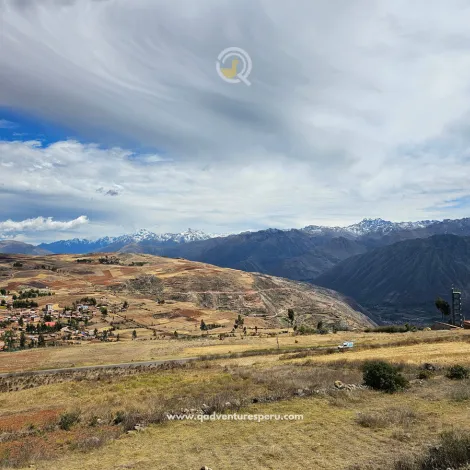
Experience the Andes with Q Adventures Peru
The mountains surrounding Cusco offer much more than spectacular views. They tell stories of ancient civilizations, agricultural ingenuity, cultural resilience, and the extraordinary relationship between people and their environment. From the colorful slopes of Rainbow Mountain to the turquoise waters of Humantay Lake and the historic paths of the Sacred Valley, every destination reveals another aspect of the region’s character.
Exploring the andes in cusco can be as adventurous or relaxed as you wish. You might choose a challenging trek, a guided archaeological excursion, a scenic journey through traditional villages, or a combination of experiences designed around your interests.
Q Adventures Peru can help you plan a journey that combines natural beauty, cultural discovery, and responsible travel. With thoughtful preparation and an itinerary suited to your needs, you can experience the Peruvian highlands at a comfortable pace while discovering the places and traditions that make this region unique.
Let the mountains inspire your next adventure. Explore the majestic landscapes of the Andes and create lasting memories in one of Peru’s most extraordinary destinations.