

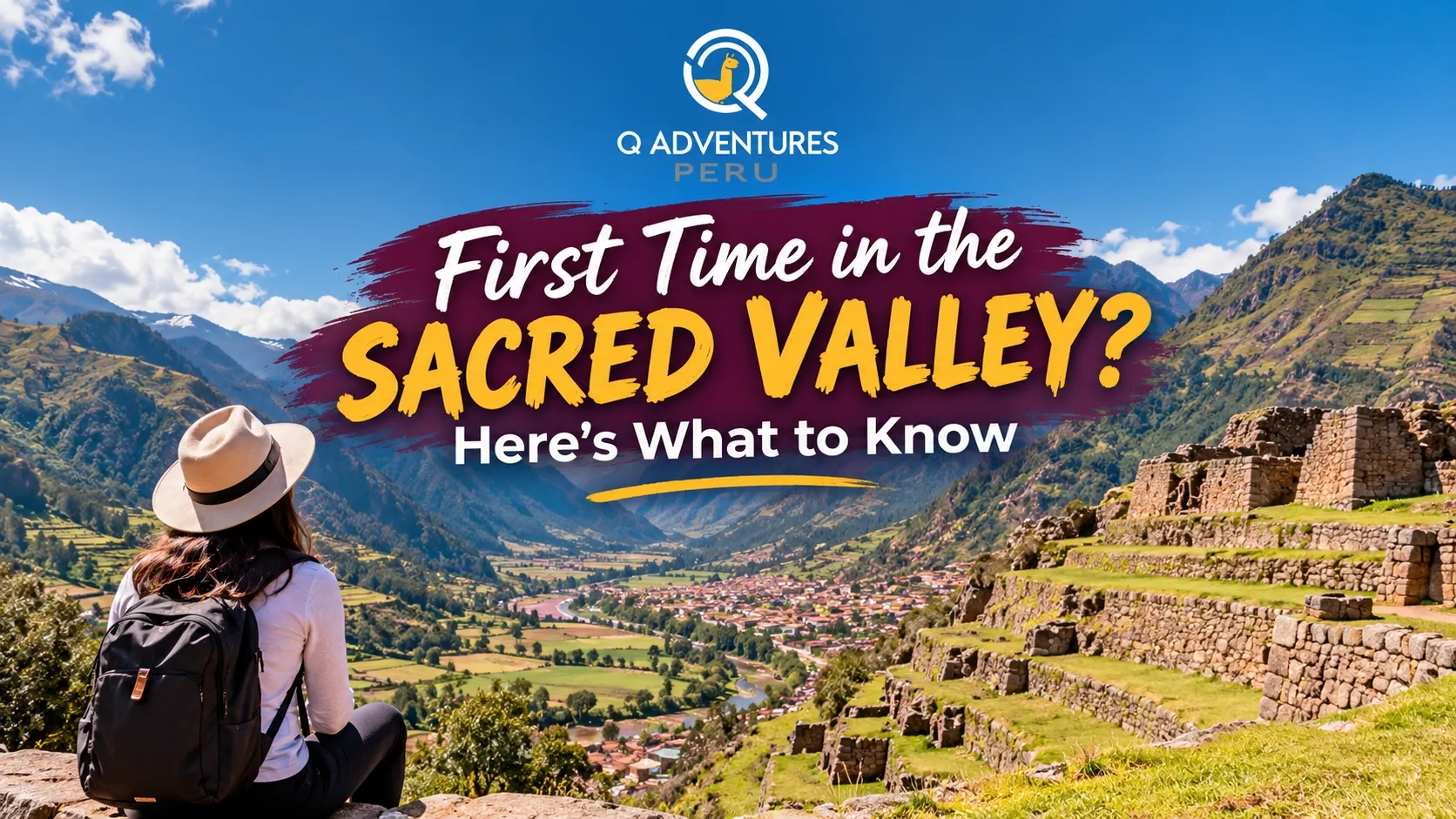
Visiting the Sacred Valley for the first time is an opportunity to discover one of Peru’s most fascinating regions, where ancient Inca architecture, traditional Andean communities, fertile agricultural land, and spectacular mountain scenery come together. Located near Cusco, this remarkable destination offers a combination of history, culture, outdoor adventures, and authentic experiences that appeal to travelers with different interests.
Whether you are planning a short excursion or several days of exploration, preparing your itinerary in advance will help you make the most of your visit. From understanding transportation options to choosing archaeological sites and learning about local traditions, a little planning can transform your trip into a memorable journey through the Andes.
The sacred valley is also an excellent place to acclimatize before visiting higher-altitude destinations, although individual experiences vary and some excursions still involve significant elevation. With comfortable clothing, a flexible schedule, and respect for local customs, you can explore the region at a pace that suits your travel style.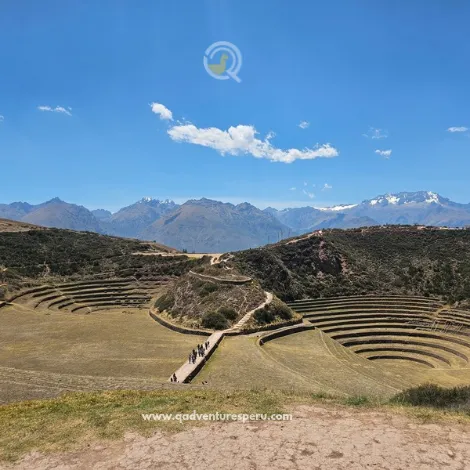
Where Is the Sacred Valley and Why Should You Visit?
The region commonly called the Sacred Valley of the Incas follows the Urubamba River through a landscape of mountains, agricultural terraces, and historic settlements. It lies northeast of Cusco and includes well-known destinations such as Pisac, Urubamba, Ollantaytambo, and Chinchero.
The area’s fertile land played an important role in Inca agriculture. Communities cultivated crops at different elevations, developed sophisticated irrigation systems, and constructed terraces that helped manage steep terrain. Many of these agricultural landscapes remain visible today.
Beyond its historical importance, the region is known for its scenic beauty and living cultural traditions. Visitors can explore ancient stone structures in the morning, enjoy traditional Peruvian food at lunchtime, and visit artisan workshops or local markets in the afternoon.
For first-time visitors, the sacred valley offers a valuable introduction to Andean culture beyond the city of Cusco. It also provides a convenient starting point for continuing toward Machu Picchu, especially for travelers departing by train from Ollantaytambo.
Discover the Most Important Places to Visit
Pisac: Archaeology and Traditional Markets
Pisac is known for its impressive archaeological complex, which occupies a mountainside overlooking the valley. The site includes agricultural terraces, ceremonial structures, stone pathways, and panoramic viewpoints that reveal the scale of Inca engineering.
The town below is also famous for its market, where visitors can find textiles, ceramics, jewelry, and handmade souvenirs. Market activity varies by day, so check the local schedule if shopping is an important part of your itinerary.
Take time to explore beyond the main stalls and observe the range of products created by regional artisans. When possible, purchasing directly from makers can help support traditional skills and local livelihoods.
Ollantaytambo: A Living Inca Town
Ollantaytambo is one of the most remarkable destinations in the region because its historic town retains elements of its traditional Inca layout. Narrow cobblestone streets, water channels, and stone foundations connect the modern settlement with its past.
The archaeological complex rises above the town, featuring extensive terraces, monumental stonework, and views across the surrounding mountains. Exploring the site involves stairs and uneven surfaces, so comfortable footwear is essential.
Ollantaytambo is also an important transportation point for travelers taking the train to Machu Picchu. Spending a night here allows you to explore the town without rushing and may make your onward journey easier to organize.
Chinchero: Textiles and Andean Traditions
Chinchero sits at a higher elevation than many other destinations in the valley and is known for its traditional weaving heritage, archaeological remains, and expansive mountain views. Local artisans preserve techniques that involve preparing fibers, spinning wool, and creating natural dyes from plants and other materials.
A visit to a weaving cooperative can provide insight into the time and skill involved in producing traditional Andean textiles. These demonstrations are also opportunities to learn about the cultural meanings behind certain patterns and colors.
Because Chinchero is relatively high, visitors who are not accustomed to altitude should take their time and avoid unnecessary physical exertion during the first days of their trip.
Moray and the Maras Salt Ponds
Moray is famous for its circular agricultural terraces, which descend into large natural depressions. The different levels create distinct microclimates and demonstrate the sophisticated agricultural experimentation associated with the Inca period.
Nearby, the Maras salt ponds form a striking landscape of small evaporation pools built along a mountainside. Water from a salty spring flows through a network of channels into individual ponds, where sunlight and evaporation help produce salt.
These destinations can be combined in one excursion, depending on transportation arrangements and the itinerary. The terrain around both sites can be uneven, so follow designated paths and respect restrictions intended to protect the landscape and local production activities.
How Many Days Should You Spend in the Region?
The ideal length of your visit depends on your interests, travel schedule, and plans for Machu Picchu. A single day can cover several major attractions, but a longer stay allows you to explore more comfortably and discover smaller communities along the way.
If you have only one day, consider focusing on a manageable selection of destinations rather than attempting to visit every major site. A route might include Pisac and Ollantaytambo, or Moray and the Maras salt ponds, depending on your starting point and transportation.
With two days, you can divide your visits into shorter excursions. One day could focus on Pisac and Ollantaytambo, while another could include Chinchero, Moray, and Maras. This approach leaves more time for walking, photography, meals, and cultural experiences.
Travelers with three or more days can stay in the region, explore local villages, participate in artisan activities, and enjoy the scenery at a slower pace. The sacred valley is especially rewarding when you allow time to appreciate the places between the main attractions.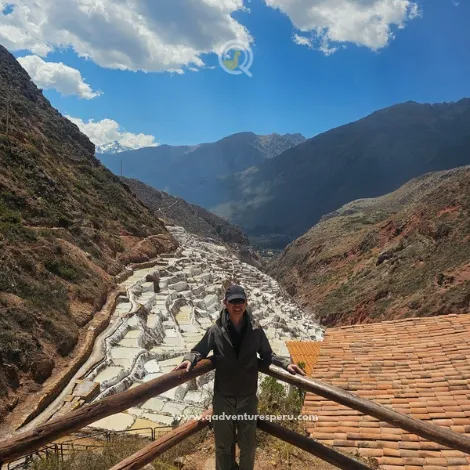
Transportation: Getting Around the Valley
There are several ways to explore the region, and the best option depends on your budget, comfort level, and preferred itinerary.
- Organized tours: Guided excursions simplify transportation between attractions and often include explanations of the area’s history and culture.
- Private transportation: A private vehicle offers greater flexibility for choosing stops and adjusting your schedule.
- Public transportation: Local buses and shared vans connect various towns, although routes and departure points may require additional research.
- Train services: Ollantaytambo is a major departure point for rail journeys toward Machu Picchu, but train tickets must be booked separately or confirmed as part of a package.
Travel times vary depending on road conditions, traffic, weather, and the number of stops. Avoid creating an itinerary with too many distant attractions in one day, especially if you have a fixed train departure later in the afternoon.
If you choose public transportation, allow extra time and confirm the return options before leaving a town. For remote attractions, verify whether a local taxi or additional transfer will be necessary.
What to Eat During Your Visit
Food is an important part of discovering Andean culture. The region’s cuisine reflects its agricultural traditions, with ingredients such as potatoes, corn, quinoa, beans, and local herbs appearing in many dishes.
Visitors can try traditional soups, roasted meats, fresh trout, and regional specialties prepared with seasonal ingredients. Restaurants in towns such as Urubamba and Ollantaytambo offer options ranging from simple local meals to more elaborate dining experiences.
Markets are also interesting places to discover regional produce and observe everyday life. If you want to try food from a market stall, choose a place with good food-handling practices and freshly prepared dishes.
Taking time for a traditional lunch can make your trip feel less rushed and create a welcome break between archaeological visits. If you have dietary restrictions, communicate them clearly when ordering or arranging a guided meal.
Best Time to Visit the Sacred Valley
The region can be visited throughout the year, but seasonal weather influences the experience. The dry season generally runs from May through September, offering many days suitable for sightseeing and outdoor activities. These months are also popular with international visitors, so advance reservations may be helpful.
The rainy season generally extends from November through March, with heavier rainfall often occurring during December, January, and February. During this period, the hillsides can become greener, but rain may affect road conditions, visibility, and walking routes.
April and October are transitional months, and conditions can vary from one day to another. Regardless of when you visit, mornings and evenings may be cool, while midday sunshine can feel intense.
Bring layers, comfortable walking shoes, sunscreen, a hat, and a lightweight waterproof jacket. Check the forecast before excursions and follow local guidance if heavy rain affects roads or trails.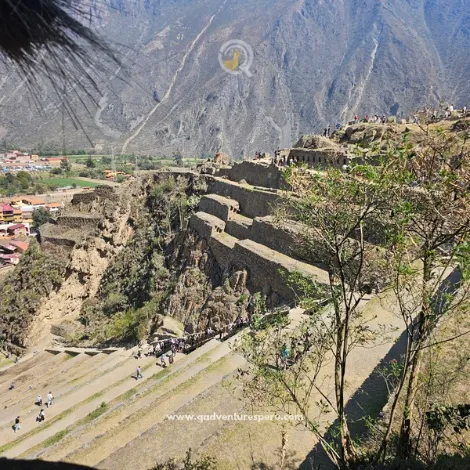
Practical Tips for First-Time Visitors
Planning a trip to the sacred valley becomes easier when you understand the region’s altitude, entrance requirements, and cultural expectations.
- Acclimatize gradually: Spend time adjusting to the altitude before attempting strenuous activities. Drink water regularly and avoid overexertion.
- Check ticket requirements: Some archaeological attractions require specific entrance tickets or passes. Confirm which sites are included before purchasing.
- Carry cash: Small vendors and some local services may not accept cards, so keep a reasonable amount of local currency available.
- Wear suitable footwear: Archaeological sites often contain uneven stone paths, steps, and sloping terrain.
- Bring identification: Keep your identification and any relevant reservations accessible during your excursions.
- Respect local traditions: Ask permission before photographing people and follow guidance when visiting community spaces.
- Plan around transportation: Allow enough time between attractions and confirm train schedules if you are continuing to Machu Picchu.
Entrance policies, prices, and transport schedules can change, so check official sources or your tour operator shortly before departure. If you are booking several activities, keep all confirmation details in one place.
Responsible Tourism and Cultural Experiences
The region’s appeal comes not only from its archaeological sites but also from the communities that continue to live, farm, weave, and celebrate traditions in the surrounding landscape. Responsible travel helps preserve these cultural practices while ensuring tourism benefits local residents.
Consider visiting artisan cooperatives, purchasing authentic handmade products, or joining community-based experiences offered with local participation. These activities can provide a deeper understanding of traditional knowledge and the challenges of sustaining cultural practices in a changing world.
When visiting archaeological sites, stay on marked routes, avoid touching fragile structures, and never remove stones or other materials. Carry your rubbish with you and use reusable items where practical.
Responsible visitors also recognize that local communities are not simply tourist attractions. Be considerate when taking photographs, ask before entering private areas, and follow any restrictions explained by hosts or guides.
Is the Sacred Valley Suitable for Every Traveler?
The region offers experiences for a wide range of visitors, including families, couples, solo travelers, photographers, and outdoor enthusiasts. Many towns can be explored at a relaxed pace, while archaeological complexes and mountain trails may involve significant walking or stairs.
Families can focus on scenic viewpoints, markets, and selected archaeological sites, adjusting the schedule to the needs of younger travelers. History enthusiasts may prefer longer guided visits, while active travelers can include hiking and cycling activities offered by qualified local operators.
Travelers with limited mobility should check accessibility in advance, as many sites have uneven surfaces, steep steps, and limited wheelchair access. Confirming these details before booking helps ensure the itinerary is appropriate and comfortable.
The most enjoyable trips are those that match the pace of the traveler. Rather than trying to see everything, choose the places that interest you most and leave room for unexpected discoveries.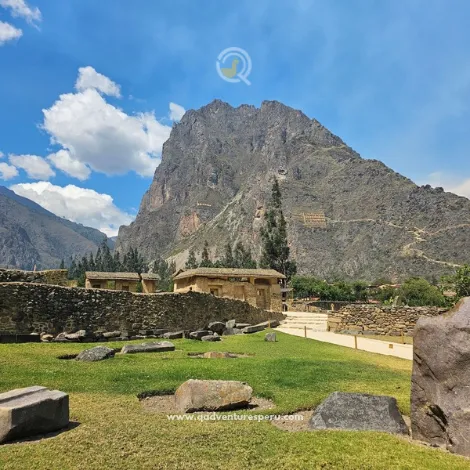
Plan Your First Visit with Q Adventures Peru
Your first trip to the sacred valley can be an unforgettable introduction to the history, landscapes, and traditions of the Peruvian Andes. From the terraces of Pisac and the stone architecture of Ollantaytambo to the weaving heritage of Chinchero and the remarkable landscapes of Moray and Maras, every destination offers a different perspective on the region.
With a well-planned itinerary, you can balance cultural visits, scenic drives, local food, and time to explore at your own pace. Choosing the right transportation and allowing enough time at each stop will help you enjoy the journey without unnecessary stress.
Q Adventures Peru can help you organize experiences that match your interests, whether you prefer guided archaeological tours, cultural encounters, or adventures through the Andean countryside. A thoughtfully designed trip can make your first visit both comfortable and meaningful.
Prepare for the altitude, respect local traditions, and take the time to appreciate the details that make this region special. Your journey through the Sacred Valley can become much more than a sightseeing trip—it can be an opportunity to connect with the living heritage of Peru.