

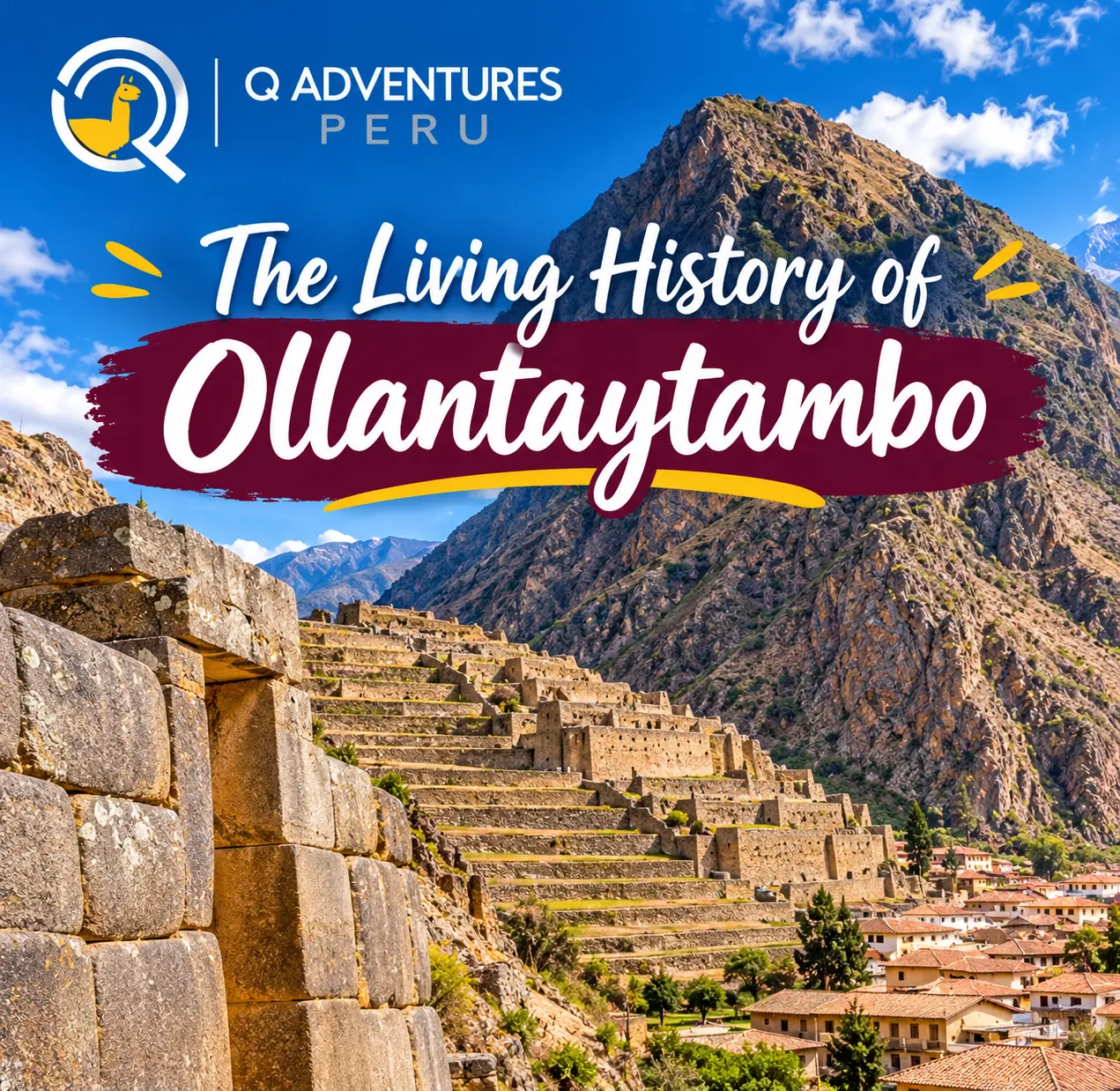
Nestled in the heart of Peru’s Sacred Valley, Ollantaytambo is one of the most fascinating destinations for travelers interested in history, culture, and adventure. Surrounded by towering mountains, ancient agricultural terraces, and impressive stone structures, this remarkable town offers a unique opportunity to experience the legacy of the Inca civilization. Its streets, temples, and traditional houses tell stories of a past that continues to shape everyday life in the Andes.
Unlike many archaeological destinations where history can only be observed through ruins, ollantaytamabo offers an extraordinary connection between the past and the present. Its original Inca urban layout remains remarkably preserved, and local families continue to live in houses built upon ancient foundations. Walking through its narrow cobblestone streets feels like traveling through time while discovering the traditions and customs that make this destination so special.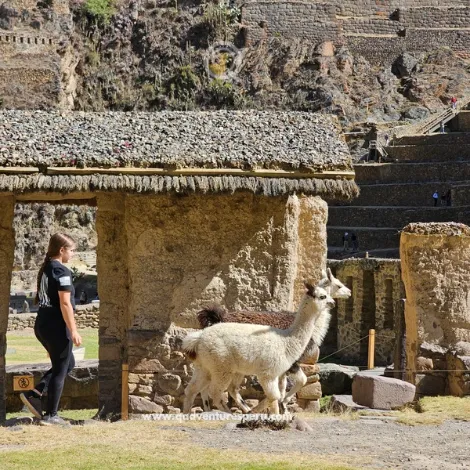
Discovering the Ancient Origins of Ollantaytambo
The history of Ollantaytambo dates back to the Inca Empire, when the settlement developed into an important administrative, agricultural, religious, and military center. Its strategic location in the Sacred Valley made it valuable for controlling access to different parts of the region and connecting communities throughout the Andes.
The town is traditionally associated with the Inca ruler Pachacuti, who expanded the empire and transformed several important territories. During his reign, the area experienced significant development, including the construction of impressive agricultural terraces, ceremonial spaces, and sophisticated architectural structures.
One of the most remarkable aspects of ollantaytamabo is the way its original urban organization has survived. The streets follow a carefully planned arrangement, with water channels that demonstrate the Incas’ understanding of engineering and urban planning. These features reveal how communities were organized to maintain harmony between architecture, agriculture, water, and the surrounding natural environment.
The Impressive Archaeological Complex
The archaeological complex is undoubtedly one of the most important attractions in the Sacred Valley. Located on a mountainside overlooking the town, this monumental construction demonstrates the architectural knowledge and organizational abilities of the Inca civilization.
Visitors can explore numerous terraces, ceremonial areas, stone stairways, and impressive walls made from enormous blocks of granite. Some of these stones were transported from distant quarries, requiring advanced planning, considerable labor, and an extraordinary understanding of construction techniques.
Among the most impressive structures is the Temple of the Sun, a ceremonial area featuring enormous stone blocks fitted together with remarkable precision. Although the complex was never completely finished, its surviving structures provide valuable insight into the religious beliefs and architectural ambitions of the Incas.
From the upper terraces, travelers can enjoy spectacular views of the surrounding valley, traditional agricultural fields, and the mountains that dominate the landscape. These panoramic views make the archaeological complex an unforgettable place for photography and cultural exploration.
The Battle That Defied the Spanish Conquest
One of the most fascinating chapters in the history of Ollantaytambo is its role during the Spanish conquest of the Inca Empire. In 1536, the settlement became an important defensive position for Manco Inca Yupanqui, who led a major resistance movement against Spanish forces.
Using the natural landscape and the impressive defensive structures, the Inca army organized a strategic resistance. The surrounding mountains, elevated terraces, and water systems provided important advantages against the approaching Spanish troops.
One particularly remarkable defensive strategy involved flooding the lower areas of the battlefield, making it difficult for Spanish cavalry to advance. This event demonstrated the strategic intelligence of the Inca defenders and the importance of understanding the surrounding environment during military conflicts.
Although the resistance achieved a significant victory, Manco Inca eventually withdrew toward Vilcabamba, where the remaining Inca resistance continued for several decades. Today, the archaeological complex remains an important historical reminder of this period of conflict and resistance.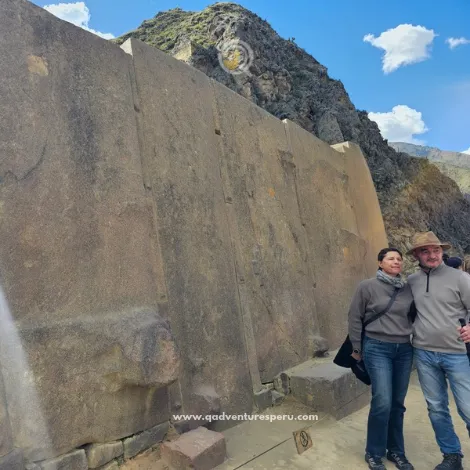
Living Inca Architecture in the Historic Town
One of the most distinctive features of ollantaytamabo is its traditional urban design. Unlike archaeological sites that have been abandoned, this town has maintained a continuous connection with its ancient foundations.
Many houses were constructed using Inca stone walls as their foundations, creating a fascinating combination of pre-Hispanic architecture and colonial influences. The narrow streets, stone doorways, and traditional courtyards preserve the atmosphere of an ancient Andean settlement.
Another impressive feature is the original water channel system. Small streams continue to flow through several streets, demonstrating the sophistication of Inca hydraulic engineering. These channels were designed to distribute water throughout the settlement, supporting daily activities and maintaining an organized urban environment.
Walking through the historic center allows visitors to appreciate these details while observing the daily routines of local residents. Traditional markets, small shops, and family-owned restaurants contribute to the town’s welcoming atmosphere and cultural identity.
Traditional Andean Culture and Local Communities
Beyond its archaeological importance, Ollantaytambo is a destination where Andean traditions remain an essential part of everyday life. Local communities continue to preserve customs connected to agriculture, textile production, traditional cuisine, and celebrations that have been passed down through generations.
Agriculture remains particularly important in the Sacred Valley. The fertile lands surrounding the town support the cultivation of potatoes, corn, quinoa, and other traditional crops. Many farming practices reflect ancestral knowledge adapted to the mountainous environment and changing seasonal conditions.
Textile traditions also represent an important expression of cultural identity. In nearby communities, artisans create colorful fabrics using traditional weaving techniques, natural materials, and designs inspired by the Andean landscape. Each textile can communicate cultural meanings through its patterns, colors, and decorative elements.
Visitors interested in authentic cultural experiences can explore local markets, interact respectfully with artisans, and learn about traditional lifestyles. These encounters provide a deeper understanding of the region beyond its famous archaeological monuments.
The Sacred Valley and Its Natural Landscapes
The geographical setting of Ollantaytambo is another reason why travelers consider it an essential stop when exploring the Sacred Valley. The town is surrounded by impressive mountains, fertile agricultural lands, and dramatic landscapes that change throughout the day with the movement of sunlight and clouds.
The Urubamba River flows through the valley, contributing to the region’s agricultural richness and natural beauty. Its waters have supported communities for centuries, while the surrounding mountains create a spectacular environment for outdoor activities.
Travelers can discover nearby destinations such as Pisac, Chinchero, Maras, and Moray, each offering different perspectives on the history and culture of the Andes. These locations complement a visit to ollantaytamabo and allow visitors to understand the historical connections between the communities of the Sacred Valley.
Hiking is another excellent way to explore the region. Several trails lead through traditional villages, agricultural terraces, and mountain viewpoints. These routes provide opportunities to enjoy nature while discovering the landscapes that shaped the development of ancient Andean civilizations.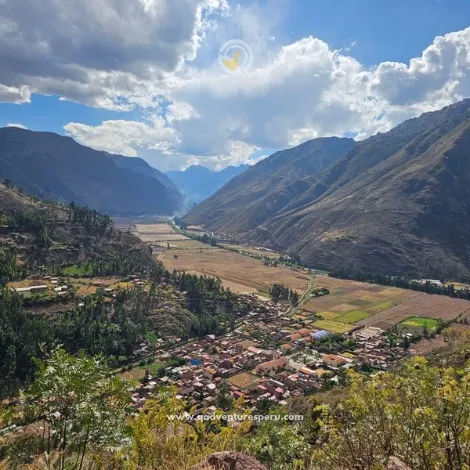
Ollantaytambo as a Gateway to Machu Picchu
In addition to its historical attractions, Ollantaytambo has become an important starting point for travelers visiting Machu Picchu. Its railway station connects the Sacred Valley with Aguas Calientes, the town located below the famous Inca citadel.
Many visitors choose to spend a night in the area before continuing their journey. This allows them to explore the archaeological complex, enjoy the local atmosphere, and travel to Machu Picchu without rushing through the experience.
The train journey itself is a memorable part of the adventure. As the railway follows the Urubamba River, passengers can admire changing landscapes, dramatic mountains, and lush vegetation as they approach the cloud forest surrounding Machu Picchu.
For travelers interested in cultural tourism, combining the archaeological complex with a visit to Machu Picchu creates a meaningful itinerary that highlights different aspects of Inca history and engineering.
When Is the Best Time to Visit?
The Sacred Valley can be visited throughout the year, although weather conditions vary depending on the season. The dry season, generally extending from May to September, is popular among travelers because it offers more favorable conditions for sightseeing, photography, and hiking.
During the rainy season, typically from November to March, the surrounding mountains become greener, and the landscapes take on a different appearance. However, visitors should be prepared for occasional heavy rainfall and potentially slippery paths.
Regardless of the season, mornings are often an excellent time to explore the archaeological complex. Arriving early can provide a more peaceful experience, comfortable temperatures, and beautiful natural lighting for photographs.
Practical Tips for an Unforgettable Visit
Planning ahead can make a significant difference when exploring ollantaytamabo. Consider these recommendations to enjoy your visit comfortably and responsibly:
- Allow enough time: Spend at least half a day exploring the archaeological complex and historic streets. Staying overnight offers additional opportunities to experience the local atmosphere.
- Wear comfortable footwear: The archaeological site includes steep stairways, uneven stone paths, and numerous terraces.
- Bring sun protection: The high-altitude environment can produce intense sunlight, even when temperatures feel cool.
- Stay hydrated: Walking and climbing at high altitude require adequate hydration and regular breaks.
- Respect local traditions: Ask permission before photographing residents, artisans, or community activities.
- Check entrance requirements: Review current ticket regulations and transportation schedules before organizing your itinerary.
- Support local businesses: Choose local guides, restaurants, and artisan shops to contribute to the regional economy.
Responsible Tourism and the Preservation of Cultural Heritage
Preserving the cultural and archaeological heritage of Ollantaytambo requires cooperation between local communities, visitors, tourism operators, and conservation organizations. As the destination becomes increasingly popular, responsible tourism plays an important role in protecting its historic structures and traditional way of life.
Travelers can contribute by following designated paths, avoiding damage to archaeological structures, disposing of waste properly, and respecting local customs. Choosing experiences that involve local guides and community-based businesses also helps ensure that tourism benefits the people who maintain the region’s cultural traditions.
The preservation of traditional architecture, agricultural practices, and local knowledge is essential for future generations. By appreciating these elements, visitors become part of a broader effort to protect the identity and heritage of the Sacred Valley.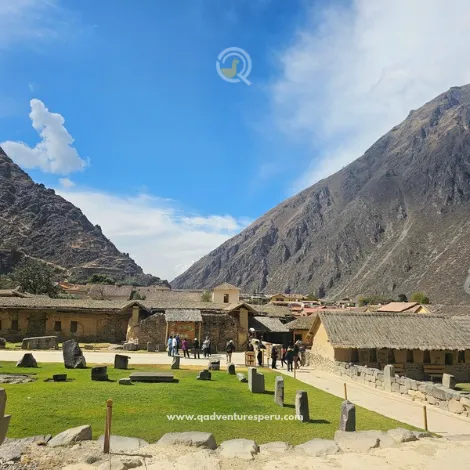
Experience the Living History of Ollantaytambo
Ollantaytambo is much more than an archaeological destination. It is a place where ancient engineering, historical resistance, traditional culture, and spectacular natural landscapes come together to create an unforgettable travel experience.
From exploring monumental stone constructions to walking through streets that have preserved their original Inca layout, every corner reveals a different chapter of Peru’s fascinating past. Its connection with local communities makes the experience even more meaningful, allowing travelers to discover traditions that continue to thrive today.
Exploring ollantaytamabo with knowledgeable local guides can help visitors appreciate the historical significance of its monuments and understand the cultural traditions that define the Sacred Valley. Whether you are interested in archaeology, photography, hiking, or authentic cultural encounters, this destination offers something extraordinary.
With Q Adventures, you can discover the history, landscapes, and traditions of the Sacred Valley through experiences designed to connect you with the authentic spirit of the Andes. Make your visit an opportunity to explore Peru beyond its famous landmarks and discover the living heritage of one of its most remarkable destinations.