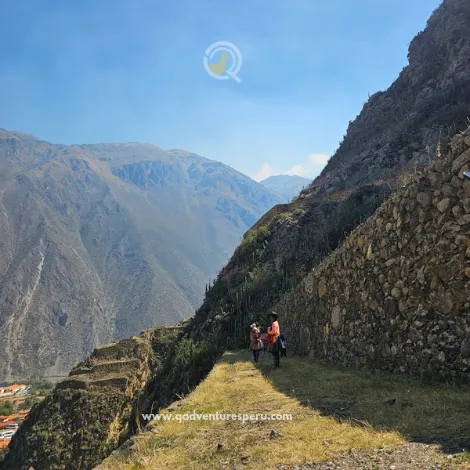

Ollantaytambo is one of the most remarkable places to discover in the Peruvian Andes. Located in the heart of the Sacred Valley, this historic town combines impressive Inca architecture, traditional Andean culture, beautiful mountain landscapes, and a unique atmosphere that connects visitors with Peru’s past. Whether you are interested in history, adventure, photography, or local traditions, Ollantaytambo offers an unforgettable experience.
Planning your journey is an important part of enjoying this destination. Understanding the options for getting from cusco to ollantaytambo helps you organize your itinerary, choose suitable transportation, and make the most of your time in the Sacred Valley. From scenic road trips to private transfers and organized tours, there are several ways to reach this fascinating town.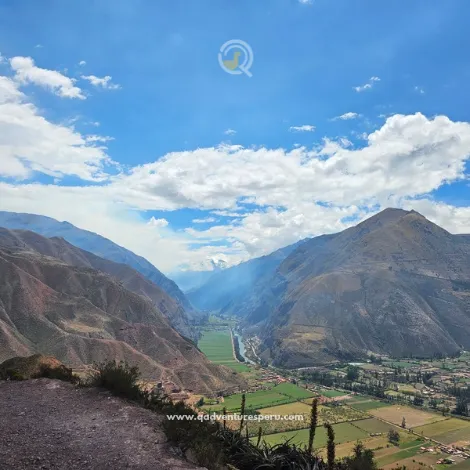
Discover the Historic Charm of Ollantaytambo
Ollantaytambo is often described as a living Inca town because many of its original streets, foundations, and water channels remain part of everyday life. Walking through its narrow stone streets allows visitors to appreciate how ancient urban planning continues to shape the town.
The traditional houses, agricultural terraces, and canals reveal the engineering knowledge of the Inca civilization. Unlike archaeological sites that are separated from modern communities, Ollantaytambo is a place where history and daily life exist side by side.
The town also has a special location surrounded by impressive mountains. Its peaceful atmosphere, traditional markets, and welcoming local community make it an excellent destination for travelers exploring the Sacred Valley.
Where Is Ollantaytambo Located?
Ollantaytambo is situated in the Sacred Valley of the Incas, in the Urubamba province of the Cusco region. It lies northwest of Cusco city and is surrounded by mountains, fertile agricultural lands, and important archaeological attractions.
Its strategic location makes it an ideal stop for travelers visiting Pisac, Urubamba, Moray, Maras, and other destinations in the valley. It is also an important transportation point for visitors traveling by train toward Machu Picchu.
Because of its location, many travelers include Ollantaytambo in their itinerary before or after visiting the famous Inca citadel. Planning your route in advance makes it easier to coordinate transportation, accommodation, and activities.
Getting from Cusco to Ollantaytambo: Transportation Options
There are several transportation alternatives available for getting from cusco to ollantaytambo, depending on your budget, schedule, and travel preferences. The journey usually takes around 1 hour and 30 minutes to 2 hours by road, although traffic, weather, and stops along the way can affect travel time.
1. Private Transportation
Hiring a private vehicle is one of the most comfortable ways to reach Ollantaytambo. This option allows you to travel directly from your hotel or another convenient meeting point in Cusco to your destination.
Private transportation is particularly useful for families, couples, small groups, and travelers carrying luggage. You can also arrange stops at scenic viewpoints or cultural attractions along the route, depending on your schedule.
For visitors who value flexibility and convenience, a private transfer can make the journey more relaxing. It is advisable to confirm the pickup location, luggage capacity, travel time, and final drop-off point before booking.
2. Shared Tourist Transportation
Shared transportation is another alternative for reaching Ollantaytambo. These services generally operate with other travelers and may be more affordable than booking an exclusive vehicle.
Some shared services follow established routes through the Sacred Valley, while others offer direct transfers. Departure times, availability, and stopping points can vary, so checking the details in advance is important.
This option may suit independent travelers who have flexible schedules and want to reduce transportation expenses while exploring the region.
3. Public Transportation
Public transportation is commonly used by local residents and can be an economical way to travel through the Sacred Valley. Minivans and buses may operate between Cusco, Urubamba, and Ollantaytambo.
Travelers should understand that public transportation may involve changing vehicles, waiting for departures, and carrying luggage in shared spaces. It is a practical alternative for visitors who are comfortable navigating local transport and do not have strict arrival times.
Before departing, confirm the correct terminal, route, and destination with the transportation operator. Schedules and services may change depending on the season and local conditions.
Enjoy the Scenic Journey Through the Sacred Valley
The road between Cusco and Ollantaytambo is an experience in itself. Along the way, travelers can admire mountain scenery, traditional villages, agricultural fields, and landscapes shaped by the Urubamba River.
Depending on the route, the journey may pass through areas near Chinchero, Huayllabamba, and Urubamba. These places reveal different aspects of Andean life, from traditional agriculture to textile traditions and local markets.
For travelers interested in photography, the changing landscapes provide excellent opportunities to capture the beauty of the Andes. The combination of green valleys, distant mountain peaks, and traditional communities makes the road trip especially memorable.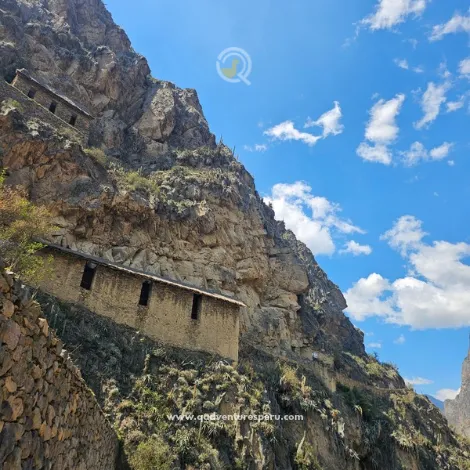
Top Attractions to Explore in Ollantaytambo
Ollantaytambo Archaeological Park
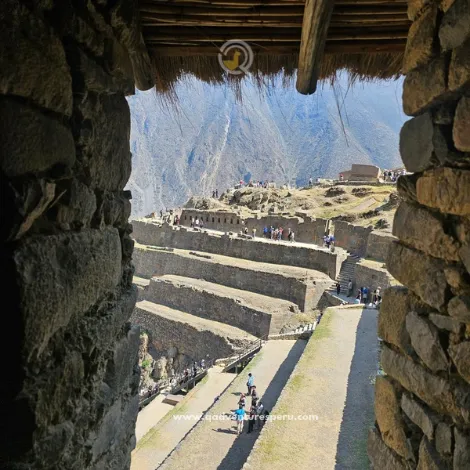
The archaeological complex is the town’s most important attraction. It features impressive agricultural terraces, ceremonial spaces, stone structures, and monumental stairways built by the Incas.
One of its most striking areas is the Temple of the Sun, known for its enormous stone blocks and sophisticated construction. The site also provides panoramic views of the town and surrounding mountains.
The Traditional Inca Streets
Exploring the historic streets is one of the simplest and most rewarding activities in Ollantaytambo. Their original stone foundations and narrow pathways offer a glimpse into the organization of an ancient Inca settlement.
Visitors can observe traditional houses, small shops, water channels, and courtyards that reflect the continuity of local architecture and customs.
Pinkuylluna Mountain Granaries
Across from the main archaeological complex, the hillside structures of Pinkuylluna offer another perspective on Inca engineering. These buildings are traditionally associated with storage and food preservation.
The uphill walk can be demanding, but the views over Ollantaytambo and the valley are rewarding. Visitors should check local access conditions and allow enough time for a safe visit.
Local Markets and Andean Traditions
The local market is an excellent place to discover regional products, traditional ingredients, handmade crafts, and everyday community life. Travelers can interact with local vendors and learn more about the cultural traditions of the Sacred Valley.
Respectful tourism makes a difference. Asking permission before photographing people, supporting local businesses, and treating cultural spaces with care help create a positive experience for visitors and residents.
Best Time to Visit Ollantaytambo
Ollantaytambo can be visited throughout the year, but weather conditions influence the type of experience travelers can expect.
The dry season generally extends from May to September. During these months, visitors often enjoy clearer skies and favorable conditions for walking, sightseeing, and outdoor activities. This period is popular, so transportation and accommodation should be arranged in advance.
The rainy season usually occurs from November to March. The landscape becomes greener, and there may be fewer visitors at certain attractions. However, rainfall can affect road conditions and outdoor plans, making flexible scheduling important.
April and October can offer a balance between changing weather conditions and visitor numbers. Regardless of the season, carrying comfortable walking shoes, sun protection, and a light rain jacket is a good idea.
Travel Tips for Your Visit
- Plan your transportation: Choose the option that best matches your budget, luggage, and schedule.
- Start early: An early departure gives you more time to explore the archaeological complex and historic streets.
- Bring cash: Small shops and local services may not accept cards.
- Stay hydrated: Walking and exploring at high altitude can be physically demanding.
- Protect yourself from the sun: Use sunscreen, sunglasses, and a hat, even when the weather is cloudy.
- Respect local customs: Be considerate when visiting homes, markets, and community spaces.
- Check train schedules: If you are continuing to Machu Picchu, coordinate your arrival with your confirmed train departure.

- Check train schedules: If you are continuing to Machu Picchu, coordinate your arrival with your confirmed train departure.
Combine Ollantaytambo with Other Sacred Valley Destinations
Ollantaytambo is an excellent starting point for discovering other attractions in the Sacred Valley. Travelers with additional time can combine their visit with destinations that showcase the region’s archaeological, cultural, and natural diversity.
Pisac is known for its impressive archaeological terraces and traditional market. Chinchero offers opportunities to discover Andean textile traditions and colonial architecture. Moray is famous for its circular agricultural terraces, while the Maras Salt Mines reveal a remarkable landscape of thousands of salt pools.
These destinations can be included in a full-day excursion or a multi-day itinerary. Choosing a route that considers travel times and opening schedules will help you enjoy each stop without rushing.
Continue Your Journey to Machu Picchu
Ollantaytambo is also an important departure point for train journeys to Aguas Calientes, the town located below Machu Picchu. Many visitors choose to spend time exploring Ollantaytambo before continuing toward the archaeological sanctuary.
If you are planning this connection, reserve your train tickets in advance and check the departure station, boarding time, luggage restrictions, and arrival details. Train services and schedules may vary, so always verify the information with the operator.
For travelers combining the Sacred Valley with Machu Picchu, getting from cusco to ollantaytambo can be an essential part of a well-organized itinerary. Spending a night in the town is another option for those who prefer a slower pace and want to explore its historic streets after the day-trip crowds have left.
Discover Ollantaytambo with Q Adventures Peru
Exploring the Sacred Valley becomes more meaningful when you understand the history, traditions, and landscapes behind each destination. With Q Adventures Peru, travelers can discover the region through experiences that combine cultural knowledge, local connections, and unforgettable scenery.
Whether you prefer a private transfer, a guided excursion, or a customized itinerary, organizing getting from cusco to ollantaytambo with a clear travel plan can help you enjoy every moment of your journey.
Ollantaytambo is much more than a stop along the way to Machu Picchu. It is a destination where Inca heritage remains part of everyday life, where mountains frame ancient architecture, and where visitors can experience the living culture of the Andes. Include it in your Peru itinerary and discover one of the Sacred Valley’s most fascinating places.