

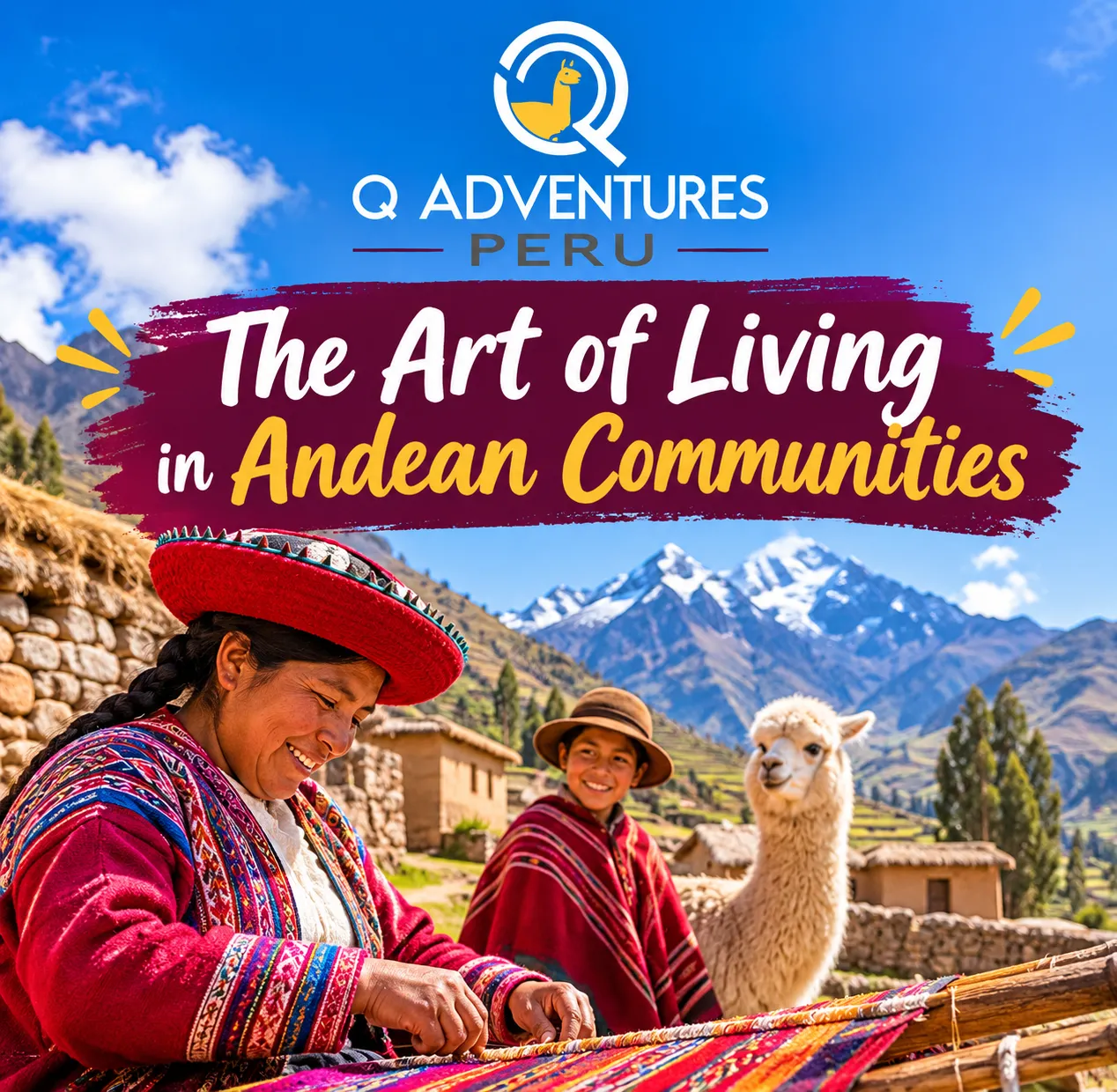
The Andes of Peru are home to communities whose traditions, knowledge, and everyday practices have been preserved across generations. Beyond the spectacular mountains, ancient archaeological sites, and colorful landscapes, visitors can discover a way of life deeply connected to nature, family, agriculture, and cultural identity. Experiencing these communities offers a meaningful perspective on the richness of Andean heritage.
In regions such as Cusco and the Sacred Valley, local families continue to practice traditional farming, textile weaving, cooking, and community celebrations. These activities are not simply cultural attractions; they are part of everyday life. Through responsible community and tourism experiences, travelers can learn directly from local residents while supporting the preservation of their traditions and livelihoods.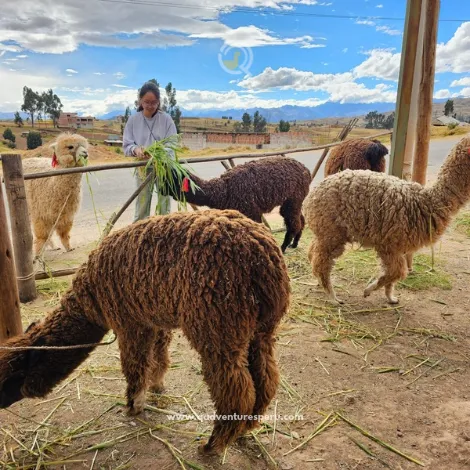
Understanding Life in the Andean Communities
Life in the Andes is shaped by geography, climate, and a strong relationship with the natural environment. Many communities are located in high-altitude valleys or mountain areas, where agriculture and livestock remain important parts of daily life.
Families often grow potatoes, corn, quinoa, beans, and other crops adapted to the local climate. Agricultural knowledge is passed from parents to children, including techniques for selecting seeds, preparing the land, managing water, and respecting seasonal cycles.
Community life is also based on cooperation. Neighbors frequently work together during agricultural activities, construction projects, celebrations, and other shared responsibilities. These relationships strengthen social connections and help communities face challenges collectively.
The Importance of Andean Traditions
Andean culture is expressed through language, clothing, music, food, architecture, ceremonies, and traditional knowledge. Although customs vary between regions and communities, many reflect a shared understanding of the importance of balance between people, nature, and society.
Quechua Language and Cultural Identity
Quechua remains an important language throughout many parts of the Peruvian Andes. It carries stories, traditional knowledge, expressions, and ways of understanding the world that have been transmitted over centuries.
In several communities around Cusco, Quechua is spoken in homes, markets, schools, and community gatherings. Learning a few respectful expressions can create opportunities for friendly interactions and demonstrate appreciation for local identity.
Traditional Clothing and Textiles
Textile weaving is one of the most recognizable expressions of Andean cultural heritage. Local artisans create colorful fabrics using techniques that have been passed down through generations.
Traditional designs often include geometric patterns, representations of animals, and symbols inspired by the surrounding landscape. Natural fibers such as alpaca and sheep wool are transformed into clothing, blankets, bags, and decorative pieces.
Places such as Chinchero and other communities in the Sacred Valley provide opportunities to learn about the complete weaving process. Visitors may observe how artisans prepare wool, use natural dyes, operate traditional looms, and create intricate designs.
Agriculture: The Foundation of Andean Life
Agriculture is deeply connected to the history and identity of Andean communities. For centuries, families have developed ways to cultivate crops in challenging mountain environments, adapting their practices to different altitudes, temperatures, and soil conditions.
The potato is particularly important in the Andes, where numerous varieties are cultivated for different uses. Other traditional crops include corn, quinoa, kiwicha, and native legumes. These foods contribute to local diets and reflect the agricultural diversity of the region.
Terrace farming is another remarkable feature of the Andean landscape. Agricultural terraces help make use of steep slopes and can support soil management and water distribution. Some terraces date back to pre-Hispanic times, while others continue to be used by local families.
Visitors participating in agricultural experiences can learn about planting, harvesting, traditional tools, and local food preparation. Such activities provide a deeper understanding of the work and knowledge behind everyday meals.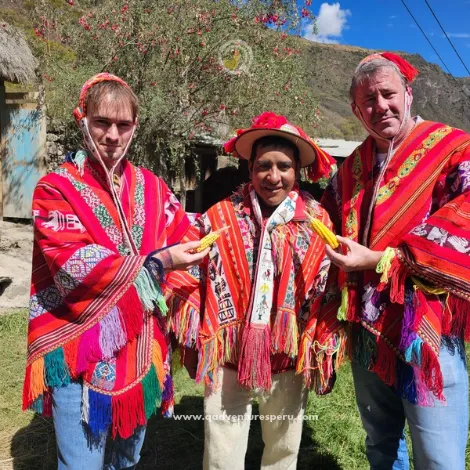
Community and Tourism: Building Meaningful Connections
Responsible community and tourism initiatives create opportunities for visitors to connect with local families while contributing to community development. Instead of focusing only on sightseeing, these experiences encourage cultural exchange, respect, and mutual learning.
Travelers may participate in activities such as traditional cooking demonstrations, textile workshops, guided walks, agricultural experiences, and visits to family homes. Each activity offers a different perspective on the traditions and challenges of Andean life.
For local communities, tourism can generate additional income, create employment opportunities, and provide a platform for sharing cultural knowledge. When activities are organized with community participation and fair agreements, tourism can complement existing livelihoods without replacing traditional practices.
For visitors, these encounters offer something different from a conventional excursion. They create opportunities to listen to personal stories, understand local perspectives, and appreciate the cultural diversity of the Peruvian Andes.
Traditional Andean Gastronomy
Food is an essential part of community identity. Traditional Andean cuisine reflects the agricultural products available in each region and the knowledge developed by generations of families.
Potatoes, corn, quinoa, beans, herbs, and native grains are common ingredients in local meals. Many dishes are prepared using simple techniques that highlight the natural flavors of regional products.
Pachamanca: Cooking with the Earth
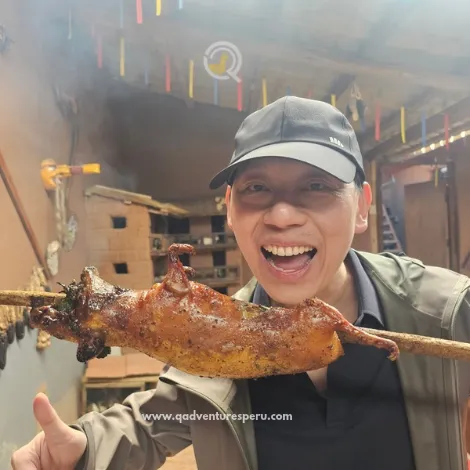
Pachamanca is one of the most distinctive traditional cooking methods in the Andes. It involves preparing food in an underground oven using heated stones, earth, and aromatic herbs. Depending on the region and occasion, ingredients may include potatoes, corn, vegetables, and different types of meat.
Preparing pachamanca is often a collective activity that brings families and neighbors together. The process reflects cooperation and the importance of sharing food during celebrations and community gatherings.
Local Products and Traditional Markets
Markets provide a colorful introduction to the agricultural diversity of the Andes. Visitors can find fresh vegetables, native potatoes, grains, herbs, cheeses, and handmade products.
Shopping at local markets can also support small producers and family businesses. Taking time to ask about ingredients and preparation methods is a simple way to learn more about regional food traditions.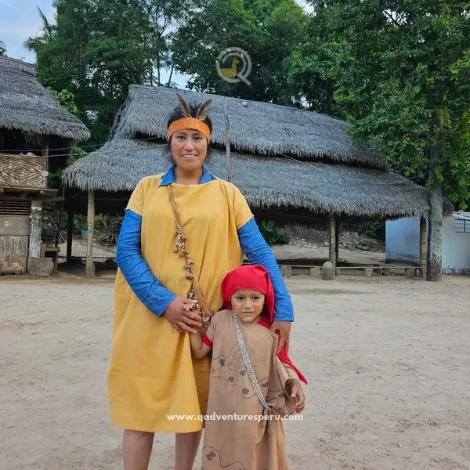
Music, Dance, and Community Celebrations
Music and dance play an important role in Andean social life. Traditional instruments such as panpipes, flutes, drums, and charangos accompany celebrations, religious festivities, agricultural events, and community gatherings.
Many dances represent historical events, local legends, agricultural cycles, or relationships with nature. Costumes and musical styles vary across the Andes, giving each community distinctive cultural expressions.
Festivities often bring together families from nearby villages. These events may include traditional food, music, processions, dances, and activities that strengthen community identity.
Visitors who have the opportunity to witness a local celebration should approach it respectfully. Asking permission before taking photographs and following local guidance helps ensure that cultural practices are appreciated rather than treated simply as entertainment.
Nature and the Andean Worldview
The natural environment has a central place in Andean traditions. Mountains, rivers, lakes, forests, and agricultural lands are understood not only as physical elements but also as important parts of cultural and spiritual life.
The concept of Pachamama, commonly associated with Mother Earth, expresses a relationship of respect and reciprocity with nature. In some communities, traditional ceremonies and offerings recognize the importance of the earth, water, and agricultural cycles.
This worldview encourages an understanding of the environment as something that sustains life and deserves care. It also provides valuable lessons for visitors interested in responsible travel and environmental awareness.
Where to Experience Andean Community Life Near Cusco
The Cusco region offers several opportunities to discover local traditions and community-based experiences. Each destination has its own cultural characteristics, landscapes, and activities.
Chinchero
Chinchero is widely recognized for its textile traditions and beautiful mountain surroundings. Visitors can meet local artisans, learn about natural dyes, and observe traditional weaving techniques. The town also features archaeological remains and colonial architecture.
Patacancha
Located in the highlands near Ollantaytambo, Patacancha is known for its traditional textile practices and strong cultural identity. Some local families preserve distinctive clothing styles and weaving techniques that reflect the heritage of the region.
Huilloc
Huilloc is another community near Ollantaytambo where visitors may learn about traditional clothing, agriculture, and local customs. Experiences organized with community participation can provide insight into everyday life in the high Andes.
Amaru
Located near Pisac, Amaru is known for its textile traditions and community initiatives. Visitors can learn about natural dyeing, weaving, and the importance of preserving ancestral knowledge.
How Travelers Can Support Local Communities
Traveling responsibly involves making decisions that respect local people, cultural heritage, and the environment. Even small actions can contribute to more positive relationships between visitors and host communities.
- Choose locally organized experiences: Whenever possible, select activities managed by community members or developed through transparent local partnerships.
- Purchase handmade products: Buying directly from artisans helps support traditional skills and family income.
- Respect local customs: Follow community guidance and ask permission before photographing people or private spaces.
- Learn about cultural practices: Listen to local explanations instead of making assumptions about traditions.
- Reduce environmental impact: Avoid leaving waste, respect agricultural areas, and use water and other resources responsibly.
- Value fair exchanges: Pay agreed prices and recognize the time, knowledge, and work involved in cultural activities.

- Value fair exchanges: Pay agreed prices and recognize the time, knowledge, and work involved in cultural activities.
Planning a Responsible Community Experience
Before visiting an Andean community, it is useful to understand what the experience includes and how it is organized. Some activities require advance reservations, especially when they involve family visits, traditional meals, or artisan workshops.
Ask whether the community participates directly in planning and receiving visitors. It is also helpful to confirm the duration, transportation arrangements, walking conditions, included activities, and any cultural guidelines.
Travelers should remember that communities are living places, not open-air museums. Daily activities may change according to agricultural seasons, family responsibilities, weather, and local celebrations. Flexibility and respect are essential for a positive experience.
Discover the Andean Way of Life with Q Adventures Peru
Exploring the Andes through local experiences can transform an ordinary trip into a meaningful cultural journey. Q Adventures Peru encourages travelers to discover the region beyond its famous archaeological attractions by learning about its people, traditions, and natural landscapes.
Through carefully planned community and tourism experiences, visitors can connect with local families, discover traditional crafts, appreciate regional gastronomy, and gain a deeper understanding of Andean heritage.
The art of living in Andean communities is reflected in cooperation, respect for nature, cultural continuity, and the knowledge shared between generations. These values make the Peruvian Andes a remarkable destination for travelers seeking authentic experiences. By visiting responsibly and supporting local initiatives, you can help preserve these traditions while creating lasting memories of your journey through Cusco and the Sacred Valley.