

Surrounded by impressive mountains, fertile valleys, ancient archaeological sites, and traditional Andean communities, Peru’s Sacred Valley is one of the most fascinating destinations in the Cusco region. This extraordinary landscape combines natural beauty with centuries of history, offering travelers an opportunity to discover the legacy of the Inca civilization while enjoying unforgettable outdoor experiences.
Located between Cusco and Machu Picchu, the Sacred Valley of the Incas is famous for its agricultural terraces, traditional villages, impressive stone constructions, and spectacular mountain scenery. Every corner tells a story about the people who inhabited this territory and developed remarkable ways of adapting to its natural environment.
Exploring sacred valley activities allows visitors to experience the destination from different perspectives. From hiking through ancient pathways and visiting archaeological complexes to discovering local markets and participating in traditional cultural experiences, there are countless ways to appreciate the region’s extraordinary heritage.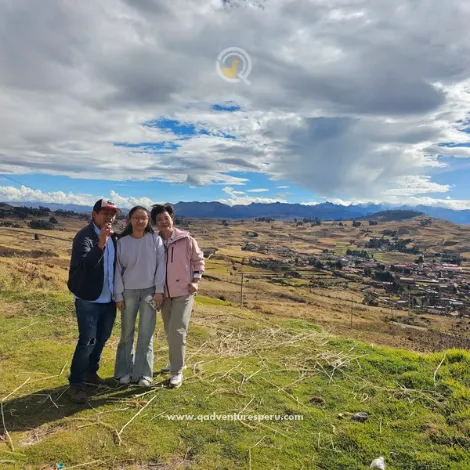
Discover the Natural Beauty of the Sacred Valley
The Sacred Valley follows the course of the Urubamba River and is surrounded by impressive mountain ranges that create a unique geographical environment. Its relatively mild climate, fertile agricultural lands, and diverse ecosystems have supported human settlements for thousands of years.
One of the most remarkable characteristics of this region is the contrast between its landscapes. Snow-capped peaks rise above green valleys, while traditional agricultural fields and small villages occupy the lower elevations. The changing scenery creates exceptional opportunities for photography, hiking, and outdoor exploration.
The river plays an important role in the region’s natural and cultural history. Its waters have supported agriculture and local communities for generations, making it an essential resource for the development of Andean civilizations.
Visitors can explore different viewpoints, walk along rural roads, and discover hidden corners where traditional lifestyles remain closely connected to the surrounding environment.
Explore the Archaeological Wonders of Pisac
Pisac is one of the most important archaeological destinations in the Sacred Valley. Located on a mountainside overlooking the town, its impressive Inca complex features agricultural terraces, ceremonial structures, residential areas, and sophisticated water channels.
The terraces are particularly impressive because they demonstrate how the Incas transformed steep mountain slopes into productive agricultural spaces. Their carefully designed structures helped control erosion, manage water, and create different growing conditions.
The archaeological complex also includes important religious and ceremonial areas. Among its most notable structures are the remains of temples and stone constructions that reflect the advanced architectural knowledge of the Inca civilization.
After exploring the ruins, visitors can descend toward the traditional town of Pisac, where a popular market offers handmade textiles, ceramics, jewelry, and other products created by local artisans.
A visit to Pisac combines history, culture, and shopping while providing an excellent introduction to the traditions of the Sacred Valley.
Discover the Living Inca Town of Ollantaytambo
Ollantaytambo is one of the most fascinating destinations in the region because it preserves an original Inca urban layout that continues to be part of everyday life. Its narrow cobblestone streets, traditional houses, and ancient stone foundations create an atmosphere that connects visitors with the past.
The archaeological complex overlooking the town is among the most impressive examples of Inca engineering. Its enormous stone walls, agricultural terraces, stairways, and ceremonial structures demonstrate the extraordinary abilities of ancient Andean builders.
Ollantaytambo also played an important role during the Spanish conquest. In 1536, Manco Inca used the settlement as a strategic defensive position during his resistance against Spanish forces.
Today, the town is also an important transportation connection for travelers continuing toward Machu Picchu. Its railway station provides access to Aguas Calientes, making it a convenient destination to include in a broader Sacred Valley itinerary.
Visit the Maras Salt Mines and the Circular Terraces of Moray
Two of the most extraordinary attractions in the Sacred Valley are the Maras Salt Mines and the archaeological site of Moray. Although they are located relatively close to one another, each destination offers a completely different perspective on ancient Andean knowledge.
Maras Salt Mines: A Traditional Production System
The Maras Salt Mines consist of thousands of small evaporation ponds built along a mountainside. These pools receive mineral-rich underground water that gradually evaporates under the sun, leaving behind natural salt deposits.
Local families have maintained this traditional production system for generations. The salt is collected manually and processed for different uses, representing an important part of the community’s economic and cultural heritage.
The contrast between the white salt ponds and the surrounding mountains creates a spectacular landscape, especially when viewed from the designated viewpoints.
Moray: An Extraordinary Agricultural Laboratory
Moray is famous for its enormous circular terraces arranged in concentric levels. These impressive structures descend into natural depressions in the landscape, creating different microclimates throughout the complex.
Researchers believe that the Incas may have used these terraces for agricultural experimentation. Variations in temperature, sunlight, and humidity between the different levels could have helped them study the adaptation of crops to different environmental conditions.
The site demonstrates the importance of agriculture in Inca society and highlights the scientific knowledge developed through generations of observation and experimentation.
Visiting both destinations provides a fascinating opportunity to understand how ancient communities used natural resources to support their economy and daily life.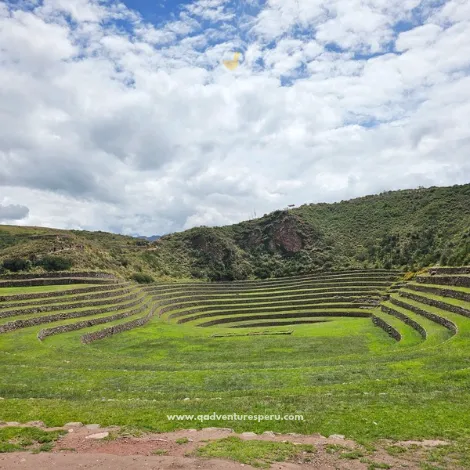
Experience the Textile Traditions of Chinchero
Chinchero is a traditional Andean town known for its beautiful landscapes, archaeological remains, and extraordinary textile heritage. Located at a high elevation between Cusco and the Sacred Valley, it offers visitors a closer look at the cultural traditions preserved by local communities.
Textile production is one of the most important expressions of cultural identity in the area. Local artisans continue to use traditional weaving techniques, natural fibers, and ancestral knowledge to create colorful fabrics and garments.
Many demonstrations explain the different stages of textile production, including the preparation of wool, natural dyeing, and weaving on traditional looms. Natural ingredients such as plants, flowers, and minerals are used to produce distinctive colors.
The town also features archaeological terraces and colonial architecture built over earlier Inca foundations. Its combination of history, craftsmanship, and mountain scenery makes it an especially rewarding destination for cultural travelers.
Enjoy Hiking and Outdoor Adventures
The Sacred Valley offers numerous opportunities for travelers who enjoy outdoor activities. Its geographical diversity includes mountain trails, rural pathways, agricultural landscapes, and routes connecting traditional villages.
Hiking is one of the best ways to appreciate the region’s natural beauty. Several routes allow visitors to explore the mountains while discovering archaeological remains and experiencing the peaceful atmosphere of rural communities.
Among the most interesting options is the Huchuy Qosqo trek. This route leads toward an archaeological complex located on a plateau overlooking the Sacred Valley. The destination features impressive stone constructions, agricultural terraces, and spectacular panoramic views.
Another popular experience is exploring the surrounding mountains through guided walks. Depending on the route, hikers may encounter traditional farming areas, small settlements, and viewpoints overlooking the Urubamba River.
For adventure enthusiasts, sacred valley activities can also include mountain biking, horseback riding, and other outdoor experiences. These options provide different ways to discover the landscape while adapting the journey to individual interests and fitness levels.
Experience Traditional Andean Communities
The cultural richness of the Sacred Valley is closely connected to the communities that continue to preserve ancestral traditions. Agriculture, textile production, traditional cuisine, and local celebrations remain important parts of everyday life.
Visiting rural communities offers travelers an opportunity to understand the relationship between Andean people and their environment. Traditional farming methods, seasonal agricultural cycles, and community cooperation reflect knowledge developed over many generations.
Some cultural experiences allow visitors to participate in textile demonstrations, learn about traditional ingredients, or discover the meaning behind local customs and celebrations.
These encounters are especially meaningful when organized respectfully and with the participation of local families. Choosing community-based tourism experiences helps support regional economies while encouraging the preservation of cultural heritage.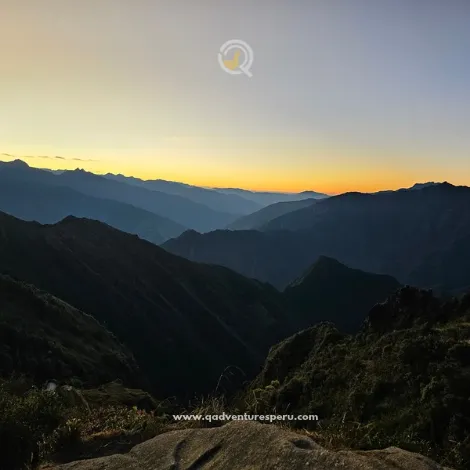
Discover the Flavors of Sacred Valley Cuisine
Food is another essential part of exploring the Sacred Valley. The region’s cuisine reflects its agricultural traditions and the availability of fresh ingredients grown in the surrounding mountains and valleys.
One of the most recognizable ingredients is giant white corn, commonly known as choclo. It is frequently served with Andean cheese and represents a traditional combination enjoyed throughout the region.
Other local products include potatoes, quinoa, beans, native herbs, and different varieties of corn. These ingredients are used in traditional dishes that reflect the agricultural diversity of the Andes.
Visitors can discover regional cuisine in local restaurants, traditional markets, and family-owned establishments. Some experiences also introduce travelers to traditional cooking methods and the cultural importance of food in Andean communities.
Trying local dishes is an excellent way to connect with the destination beyond its archaeological attractions.
Visit the Sacred Valley During the Best Season
The Sacred Valley can be explored throughout the year, although weather conditions vary according to the season. The dry season generally extends from May to September and is considered one of the best periods for outdoor exploration.
During these months, rainfall is less frequent, and the skies are often clearer. These conditions are especially favorable for hiking, visiting archaeological sites, and enjoying panoramic mountain views.
The rainy season usually runs from November to March. During this period, the landscape becomes greener, and agricultural fields take on vibrant colors. However, rainfall can make certain trails muddy and affect transportation schedules.
April and October are transitional months that can offer pleasant weather and attractive scenery, although conditions remain variable.
Regardless of when you visit, it is advisable to bring comfortable walking shoes, layered clothing, sunscreen, and rain protection. Mountain weather can change quickly, even during the dry season.
Essential Tips for Planning Your Sacred Valley Adventure
Organizing your itinerary in advance can help you make the most of your visit. The region contains numerous attractions, and distances between destinations should be considered when planning daily activities.
- Allow enough time: Consider spending at least one or two days exploring the main archaeological and cultural attractions.
- Acclimatize to the altitude: Spend time in Cusco or the Sacred Valley before attempting demanding hikes.
- Choose comfortable clothing: Wear suitable footwear and bring layers for changing temperatures.
- Check entrance requirements: Some archaeological attractions require specific tickets or entrance arrangements.
- Carry cash: Small markets and rural businesses may not accept electronic payments.
- Stay hydrated: Bring drinking water, especially when participating in outdoor activities.
- Respect local communities: Ask permission before photographing residents and their activities.
- Book specialized experiences early: Popular treks and guided activities may require advance reservations.
Responsible Tourism in the Sacred Valley
The preservation of the Sacred Valley requires a balance between tourism development, environmental conservation, and the protection of local traditions.
Visitors can contribute by respecting archaeological sites, avoiding littering, and following designated paths. Protecting the natural environment is particularly important in areas where agricultural activities and traditional communities depend on local water resources.
Supporting local guides, artisans, restaurants, and community-based tourism initiatives also helps distribute the benefits of tourism throughout the region.
Responsible travel involves recognizing that the Sacred Valley is not simply a collection of tourist attractions. It is a living cultural landscape where people continue to maintain traditions and relationships with the natural environment.
By choosing respectful and sustainable experiences, travelers can contribute to preserving this extraordinary heritage for future generations.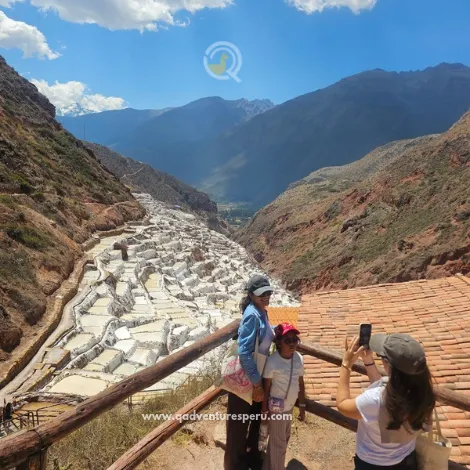
Explore the Sacred Valley with Q Adventures
Discovering the Sacred Valley becomes even more rewarding when accompanied by experienced local guides who understand its history, geography, and cultural traditions.
Q Adventures offers opportunities to explore the region through carefully organized experiences that combine archaeological discovery, outdoor adventure, and authentic cultural encounters.
Whether you want to visit the impressive ruins of Ollantaytambo, explore the salt ponds of Maras, discover the agricultural terraces of Moray, or hike through spectacular mountain landscapes, a well-planned itinerary can help you enjoy every moment.
With professional guidance and local knowledge, travelers can gain a deeper understanding of the Inca civilization while discovering the communities and natural environments that make this destination unique.
From relaxing cultural visits to more demanding outdoor adventures, sacred valley activities provide countless opportunities to create meaningful memories in Peru.
Where Nature and Inca History Become One Experience
The Sacred Valley is a destination where ancient history and natural beauty exist in extraordinary harmony. Its archaeological complexes reveal the architectural achievements of the Inca civilization, while its mountains, rivers, and agricultural landscapes demonstrate the importance of nature in Andean culture.
Every village, trail, and archaeological site offers a different perspective on the region’s identity. From the colorful markets of Pisac to the impressive stone structures of Ollantaytambo, the valley invites travelers to discover a world where traditions remain part of everyday life.
Exploring sacred valley activities is an excellent way to experience this diversity, whether through hiking, cultural encounters, traditional cuisine, or visits to remarkable archaeological attractions.
Let Q Adventures guide you through the landscapes and history of the Sacred Valley. Discover the ancient paths, meet local communities, and experience the extraordinary connection between nature and Inca heritage on your next journey through Peru.