

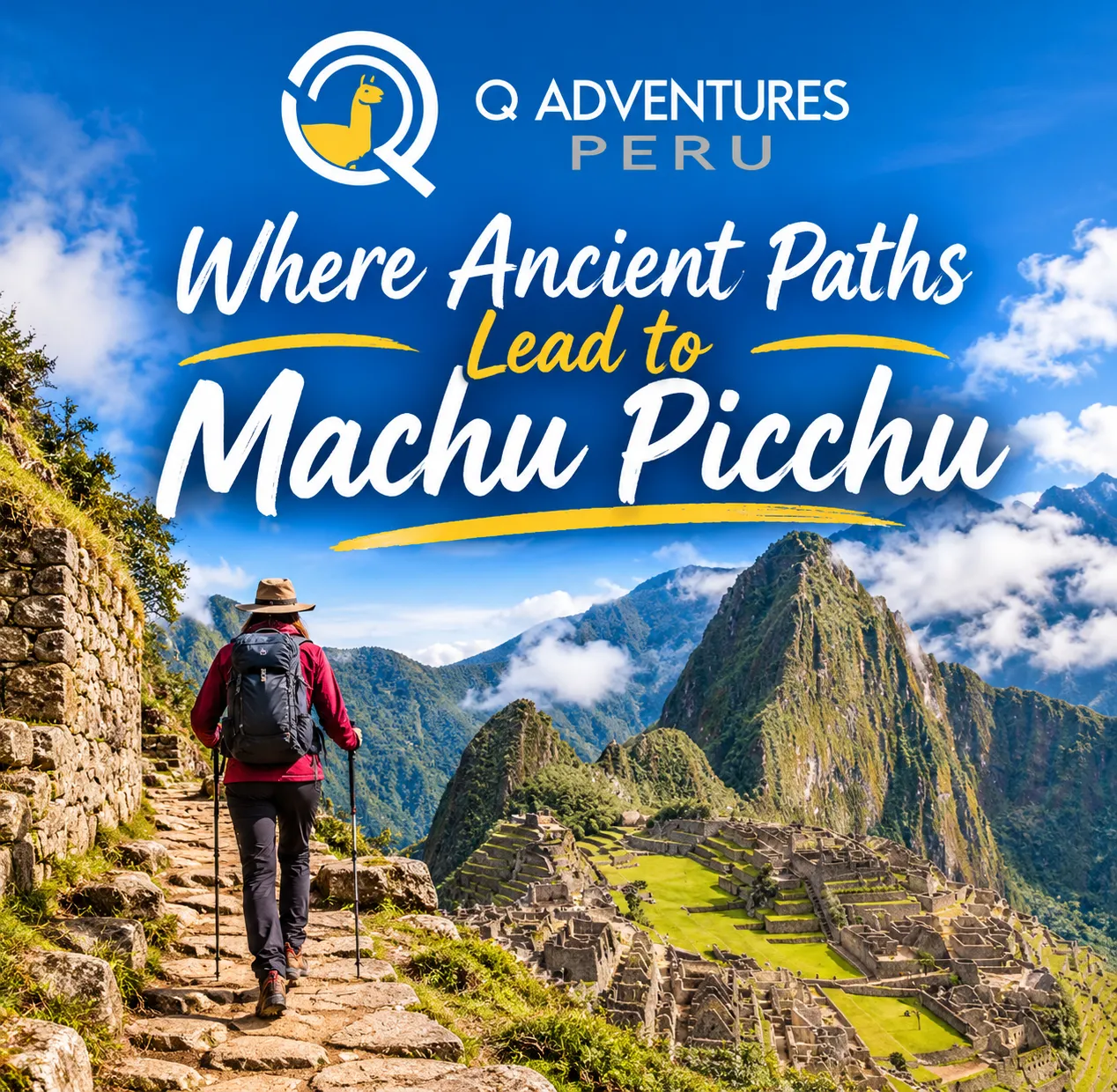
Deep in the Peruvian Andes, ancient stone pathways wind through spectacular mountains, mysterious archaeological sites, and lush cloud forests before reaching one of the most extraordinary destinations in the world: Machu Picchu. These historic routes preserve the legacy of the Inca civilization and offer travelers an unforgettable opportunity to experience Peru through nature, history, and adventure.
The inca trail 4 day trek is one of the most remarkable hiking experiences in South America. Following original Inca pathways, this journey combines breathtaking landscapes, impressive archaeological remains, and meaningful cultural encounters. Every step reveals a different aspect of the ancient world, transforming a challenging hike into an extraordinary journey through the history of the Andes.
For travelers seeking more than a traditional sightseeing experience, this adventure provides the opportunity to disconnect from everyday routines, challenge personal limits, and discover the extraordinary relationship between the Incas and their natural environment.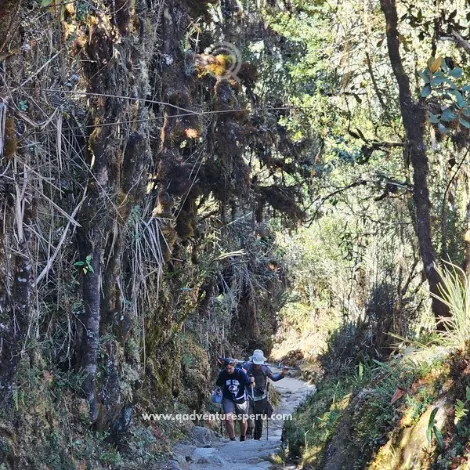
The Historical Legacy of the Inca Trail
The Inca road network, known as Qhapaq Ñan, was one of the most impressive transportation systems developed in pre-Columbian America. It connected different territories of the Inca Empire, allowing people, goods, armies, and information to travel across enormous distances.
This extensive network crossed mountains, valleys, deserts, and tropical forests, demonstrating the engineering knowledge and organizational abilities of the Inca civilization. The pathways included stone staircases, bridges, resting places, and administrative centers that facilitated communication throughout the empire.
The route leading to Machu Picchu represents one of the most fascinating surviving sections of this ancient infrastructure. Archaeological remains along the way suggest that the area had important ceremonial, administrative, and religious functions.
Walking along these pathways allows modern travelers to appreciate how the Incas adapted their construction techniques to challenging geographical conditions. Rather than completely changing the landscape, they developed sophisticated solutions that worked in harmony with the surrounding mountains.
What Makes the Four-Day Adventure Special?
The inca trail 4 day trek offers a combination of physical challenge, cultural discovery, and natural beauty. Unlike routes that focus exclusively on reaching a destination, this experience allows hikers to appreciate the journey itself.
Over four days, travelers pass through different ecological zones, encounter ancient settlements, and experience dramatic changes in altitude and vegetation. The route gradually reveals the diversity of the Peruvian Andes, from open mountain landscapes to humid cloud forests filled with extraordinary biodiversity.
One of the most memorable aspects is the opportunity to visit archaeological sites that are accessible only by walking along the historic trail. These locations provide valuable insight into the architectural, religious, and agricultural practices of the Incas.
Another important element is the sense of accomplishment that comes from completing the journey. Reaching the final destination after several days of hiking creates a special connection with the landscapes and history experienced along the way.
Day One: Beginning the Journey Through the Andes
The adventure generally begins with transportation from Cusco to the starting point near Piscacucho, commonly known as Kilometer 82. After meeting the trekking team and completing the necessary entrance procedures, hikers begin following the ancient route toward the Sacred Valley mountains.
The first day is usually considered a relatively moderate introduction to the experience. The trail passes through agricultural landscapes, small Andean settlements, and beautiful sections of the Urubamba River valley.
Along the way, travelers can observe traditional farming practices and enjoy views of snow-capped mountains that dominate the surrounding landscape. The scenery provides an excellent introduction to the geographical diversity of the region.
One of the interesting archaeological attractions along this section is Llactapata, an ancient Inca settlement surrounded by agricultural terraces. Its location demonstrates the importance of farming and resource management in the development of Andean communities.
After several hours of walking, hikers arrive at the first campsite, where they can rest, enjoy dinner, and prepare for the more demanding stages ahead.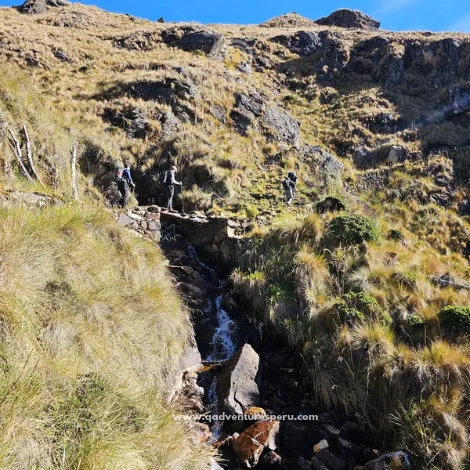
Day Two: Conquering Dead Woman’s Pass
The second day is often considered the most physically demanding part of the journey. It involves a challenging ascent toward Warmiwañusca, commonly called Dead Woman’s Pass, which reaches approximately 4,215 meters above sea level.
The climb requires determination, patience, and appropriate altitude preparation. As hikers gain elevation, the landscape gradually changes, revealing impressive mountain scenery and expansive views of the surrounding valleys.
Reaching the highest point is an unforgettable moment. Travelers can take time to rest, appreciate the panoramic views, and celebrate the effort required to reach this remarkable location.
After crossing the pass, the route descends through stone pathways and mountain vegetation toward the next campsite. Although the descent can be demanding on the knees, it offers a different perspective of the Andean environment.
This stage highlights the importance of maintaining a comfortable walking pace, drinking enough water, and following the recommendations of professional trekking guides.
Day Three: Exploring Ancient Archaeological Treasures
The third day offers some of the most beautiful scenery and archaeological discoveries along the route. After the physical challenge of the previous day, hikers continue through mountain passes, stone staircases, and sections of lush vegetation.
One of the highlights is Runkurakay, a circular archaeological structure believed to have served as a resting or administrative station. Its elevated position provides impressive views of the surrounding mountains.
Further along the route, travelers encounter Sayacmarca, a fascinating archaeological complex built on a steep mountainside. Its terraces, stairways, and stone structures demonstrate the Incas’ ability to construct settlements in difficult geographical locations.
Another important attraction is Phuyupatamarca, often translated as the Town Above the Clouds. Located at a high elevation, this archaeological site offers spectacular views of the surrounding cloud forest and distant mountains.
As the route continues toward the final campsite, the environment becomes increasingly humid and green. The transition from high mountain landscapes to subtropical vegetation creates one of the most memorable contrasts of the adventure.
Day Four: The Arrival at Machu Picchu
The final morning begins early, as hikers prepare for the last section of the historic route. After following the trail through the cloud forest, travelers reach Inti Punku, also known as the Sun Gate.
This location offers one of the most unforgettable views of Machu Picchu. As the ancient citadel appears between the surrounding mountains, hikers can appreciate the remarkable setting of the archaeological sanctuary from an elevated viewpoint.
For many travelers, this first view represents the emotional highlight of the entire experience. After several days of walking through ancient pathways, reaching the destination creates a powerful connection with the history and landscapes of the Inca civilization.
Once inside the archaeological complex, visitors can explore its impressive temples, agricultural terraces, ceremonial areas, and stone constructions with the guidance of a professional tour guide.
Understanding the historical and cultural significance of these structures makes the visit much more meaningful. It also provides an opportunity to appreciate the extraordinary engineering knowledge that allowed the Incas to build such an impressive city in the mountains.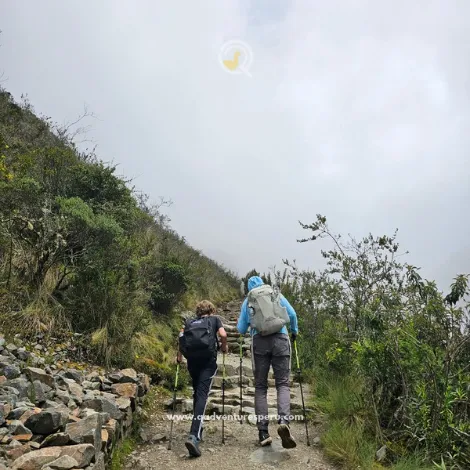
The Natural Beauty Along the Ancient Route
One of the most remarkable characteristics of the Inca Trail is its ecological diversity. During the journey, hikers cross several natural environments, each with unique vegetation, wildlife, and climatic conditions.
The high-altitude sections are characterized by open landscapes, mountain grasses, rocky terrain, and impressive views of the Andes. These environments provide a sense of vastness and allow visitors to appreciate the scale of the surrounding mountain ranges.
As the route descends, the vegetation becomes denser. The cloud forest introduces moss-covered trees, colorful flowers, orchids, and numerous species of birds. The increased humidity creates a completely different atmosphere from the colder mountain passes.
Wildlife sightings may include hummingbirds, butterflies, and other native species. Although encounters with animals are never guaranteed, the natural environment provides excellent opportunities for observing Andean biodiversity.
Protecting these ecosystems is essential. Visitors should remain on designated pathways, avoid disturbing wildlife, and follow responsible tourism practices throughout the journey.
Preparing for the Four-Day Inca Trail Trek
Proper preparation is essential for enjoying this demanding adventure. Although the route does not require advanced mountaineering skills, hikers should be comfortable walking several hours per day across uneven terrain and steep mountain sections.
The inca trail 4 day trek requires special attention to physical preparation, altitude acclimatization, and appropriate equipment. Spending at least two days in Cusco before beginning the hike is generally recommended to help the body adjust to the elevation.
Travelers should consider including regular walking, stair climbing, and moderate cardiovascular exercise in their preparation routine. These activities can improve endurance and make the daily stages more comfortable.
Essential equipment includes:
- Comfortable hiking boots: Choose footwear with good traction and ankle support that has already been used before the trip.
- Layered clothing: Temperatures can change considerably between sunny valleys and cold mountain passes.
- Rain protection: A waterproof jacket or poncho is useful, especially during the rainy season.
- Sun protection: Bring sunglasses, sunscreen, and a hat to protect yourself from strong mountain sunlight.
- Reusable water bottle: Staying hydrated is important throughout the journey.
- Personal medication: Carry any necessary medication and a small personal first-aid kit.
- Small backpack: Choose a comfortable backpack with enough space for daily essentials.
Permits, Regulations, and the Best Time to Visit
Access to the historic Inca Trail is regulated to protect its archaeological sites and natural environment. Visitors must obtain an official permit before beginning the hike, and independent access is not permitted. Reservations should be arranged through an authorized tourism operator.
Daily visitor numbers are limited, so planning ahead is particularly important during popular travel periods. The most requested dates can sell out several months in advance, especially during the dry season.
The dry season generally runs from May through September and offers more favorable conditions for hiking. However, this is also the busiest period, meaning travelers should secure permits early.
From November to March, rainfall becomes more frequent, making some sections muddy and slippery. February is traditionally the annual closure period for maintenance and conservation, so the classic route is not available during this month.
Before booking, travelers should confirm current regulations, departure dates, included services, and the specific itinerary with their authorized operator.
Responsible Tourism and the Preservation of Inca Heritage
The Inca Trail is more than a popular hiking destination. It is a cultural and archaeological treasure that requires careful protection. Every visitor has a responsibility to help preserve the historical structures and natural environments found along the route.
Responsible tourism begins with respecting official regulations and following the instructions of authorized guides. Visitors should avoid touching or climbing archaeological structures, leave no waste behind, and respect the local communities that contribute to tourism activities.
Choosing responsible tour operators also makes a difference. Companies that prioritize environmental protection, fair working conditions, and local participation contribute to the long-term sustainability of the destination.
Through these practices, travelers can help ensure that future generations continue to experience the extraordinary history and natural beauty of this ancient route.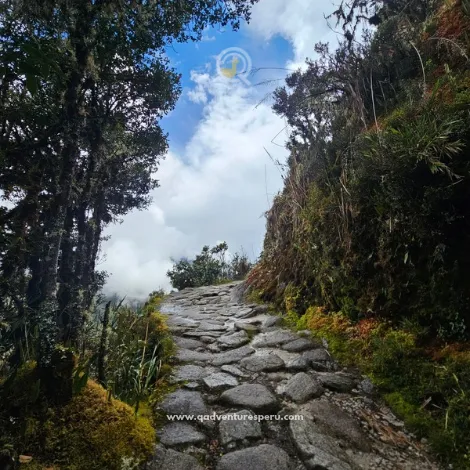
Why Choose Q Adventures for Your Inca Trail Experience?
Exploring the Andes through an organized trekking experience allows travelers to focus on the journey while receiving professional assistance throughout the route. Experienced guides provide historical explanations, practical recommendations, and valuable insights into the cultural significance of the archaeological sites.
With Q Adventures, travelers can discover the landscapes and heritage of Peru through carefully organized experiences that prioritize safety, cultural understanding, and responsible tourism.
From preparation and transportation to campsite arrangements and guided exploration, having a knowledgeable team makes the adventure more comfortable and enriching. A professional guide can also help visitors understand the stories behind the ancient structures and appreciate the connection between the Inca civilization and its natural surroundings.
The inca trail 4 day trek is an opportunity to experience Peru beyond traditional sightseeing. It combines physical adventure, historical discovery, and extraordinary natural beauty into one unforgettable journey.
Follow the Ancient Paths to Machu Picchu
Every step along the ancient Inca pathways reveals a new perspective on Peru’s remarkable heritage. From the agricultural terraces and mountain passes to the mysterious archaeological complexes hidden within the cloud forest, the journey offers countless opportunities for discovery.
Reaching Machu Picchu after four days of hiking is an experience that goes far beyond visiting a famous landmark. It is the culmination of a journey through landscapes shaped by nature and a civilization whose achievements continue to inspire travelers from around the world.
Whether you are passionate about history, fascinated by Andean culture, or searching for an unforgettable outdoor adventure, this experience offers a meaningful way to connect with Peru.
Let Q Adventures guide you through the ancient paths of the Andes and discover the extraordinary journey that leads to Machu Picchu. Your adventure begins with every step.