

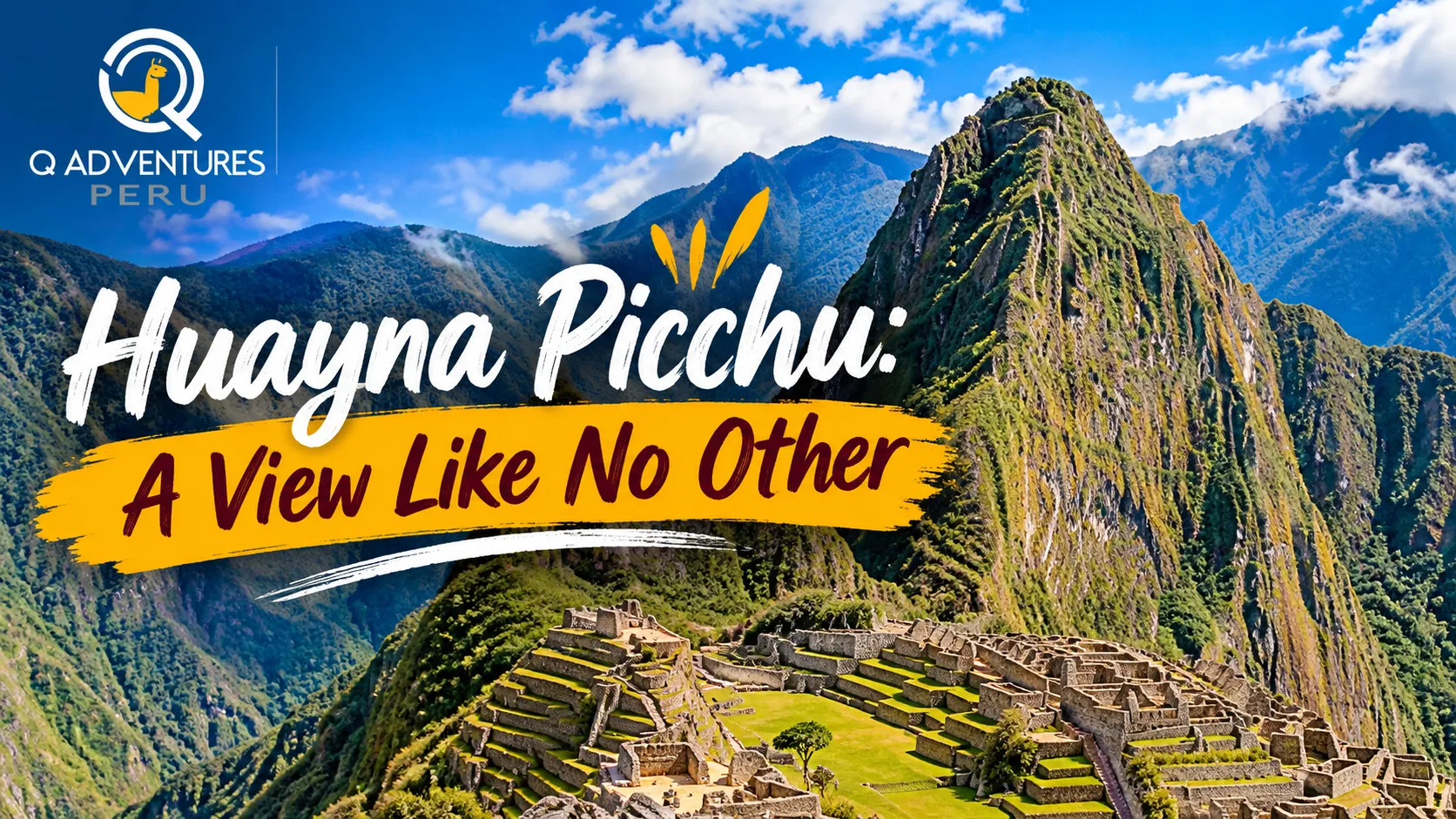
Rising dramatically behind the ancient citadel of Machu Picchu, Huayna Picchu is one of the most recognizable mountains in Peru. Its steep slopes, impressive stone pathways, and breathtaking panoramic views make it an unforgettable destination for travelers seeking adventure, history, and extraordinary natural scenery. From its summit, visitors can appreciate the remarkable relationship between the Inca civilization and the spectacular Andean landscape.
A huayna picchu tour offers a unique opportunity to experience Machu Picchu from a completely different perspective. Instead of admiring the archaeological sanctuary only from its traditional viewpoints, travelers can climb one of the most iconic mountains in the region and discover ancient structures hidden among its rocky slopes.
Although the ascent requires physical effort and careful attention, reaching the summit provides an extraordinary reward. The combination of archaeological heritage, dramatic mountain scenery, and impressive engineering makes this experience one of the highlights of any trip to the Peruvian Andes.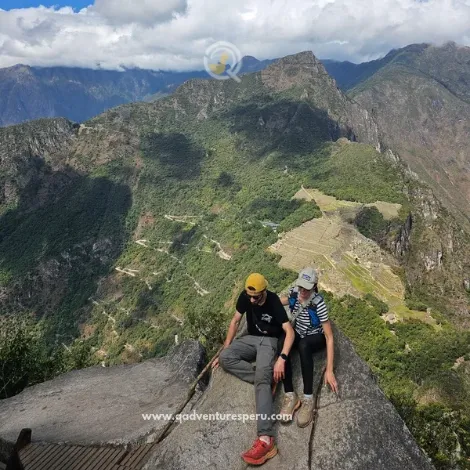
The Historical Significance of Huayna Picchu
Huayna Picchu, whose name in Quechua is commonly translated as Young Mountain, rises above Machu Picchu and forms an essential part of the landscape surrounding the ancient Inca citadel. Its imposing silhouette has become one of the most recognizable images associated with Peru.
The mountain was not simply a natural landmark. Archaeological remains indicate that the Incas constructed terraces, pathways, stairways, and small structures along its slopes. These constructions demonstrate their ability to adapt architecture to challenging geographical environments.
Some researchers believe that the mountain may have had religious, ceremonial, and agricultural functions. Its elevated position would have offered impressive views of the surrounding valleys and mountains, making it a significant location within the broader archaeological landscape.
The stone structures found along the route reveal the remarkable construction techniques used by the Incas. Their ability to create stable pathways and agricultural terraces on steep mountain slopes remains one of the most impressive aspects of Andean architecture.
Why Visit Huayna Picchu?
There are several reasons why this mountain attracts travelers from around the world. Beyond its famous views, the experience combines physical adventure, archaeological discovery, and a deeper appreciation of the natural environment surrounding Machu Picchu.
One of the main attractions is the opportunity to observe the archaeological sanctuary from above. From certain viewpoints, visitors can admire the entire citadel, including its agricultural terraces, ceremonial structures, and surrounding mountains.
The ascent also provides access to sections of the mountain that are less visible from the main archaeological complex. Along the route, visitors can discover original Inca stairways, stone walls, and terraces integrated into the natural landscape.
For photography enthusiasts, the mountain offers extraordinary opportunities to capture Machu Picchu from elevated perspectives. The changing sunlight, clouds, and mist create different visual experiences throughout the day.
A huayna picchu tour is particularly appealing to travelers who enjoy combining cultural exploration with outdoor activities. It transforms a traditional visit into a more active and memorable adventure.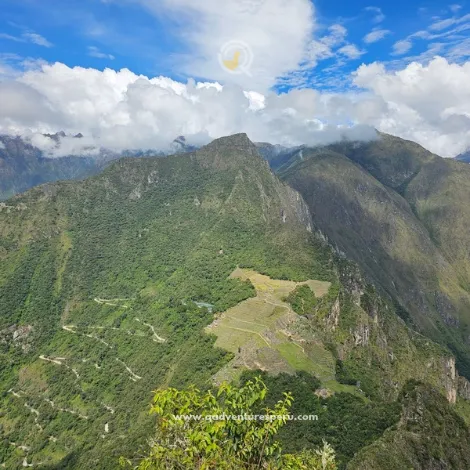
The Famous Stairways of Huayna Picchu
One of the most challenging and fascinating characteristics of the mountain is its steep stone stairway system. Often called the Stairs of Death, these steps have become famous for their narrow dimensions and dramatic positioning along the mountainside.
Despite their intimidating appearance, the stairways are part of an ancient engineering system designed to connect different sections of the mountain. Some stretches are particularly steep, requiring visitors to climb slowly and maintain their balance.
The stone steps follow the natural shape of the terrain, allowing travelers to experience the ingenuity of Inca construction techniques. Their placement demonstrates how ancient builders adapted their infrastructure to the mountainous environment rather than completely modifying it.
Visitors should use handrails where available, avoid rushing, and pay attention to official safety instructions. The climb can be demanding, but taking regular breaks makes the experience more comfortable.
What to Expect During the Ascent
The hike generally begins after visitors enter the designated access point within the Machu Picchu archaeological sanctuary. From there, the route gradually climbs through narrow pathways, stone steps, and sections surrounded by lush vegetation.
The ascent usually takes between 45 and 90 minutes, depending on individual fitness levels, weather conditions, and the number of breaks taken along the way. The trail includes steep sections that require concentration and careful movement.
As visitors gain elevation, the surrounding landscape becomes increasingly impressive. The Urubamba River winds through the valley below, while the mountains surrounding Machu Picchu create a dramatic natural panorama.
Near the summit, the pathway becomes narrower in certain areas, and hikers encounter additional stone structures integrated into the mountainside. Reaching the highest accessible viewpoints is an exciting moment, especially after completing the challenging climb.
The descent requires equal attention. Walking slowly, maintaining a stable position, and following the designated route are essential for a safe experience.
Panoramic Views of Machu Picchu
The summit offers one of the most extraordinary perspectives of the archaeological sanctuary. From above, the carefully organized urban sectors, agricultural terraces, and surrounding mountains reveal the impressive scale of the Inca construction project.
One of the most fascinating details is the relationship between the citadel and the surrounding natural environment. The Incas selected a location where mountains, rivers, and geological formations created a remarkable setting for their architectural achievements.
On clear days, visitors can enjoy extensive views across the Urubamba Valley and neighboring mountain ranges. During periods of cloud cover, the landscape becomes even more atmospheric as mist moves between the peaks.
These changing conditions make every visit different. The mountain offers excellent opportunities for photography, although visitors should always prioritize safety and avoid moving too close to exposed edges.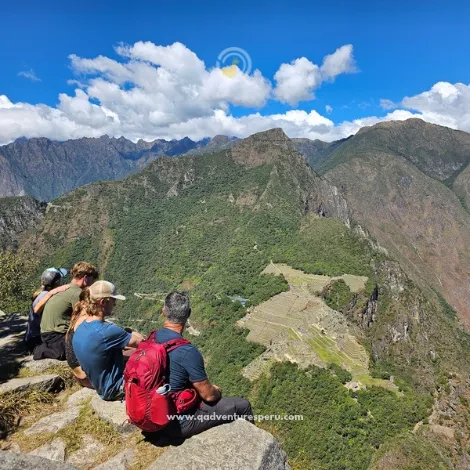
Flora and Fauna Along the Mountain
Huayna Picchu is surrounded by a rich natural environment where Andean mountain ecosystems meet the humid vegetation of the cloud forest. This transition creates favorable conditions for a variety of plant and animal species.
Along the trail, visitors may encounter orchids, ferns, mosses, and other tropical vegetation growing between rocks and ancient stone walls. These plants contribute to the mountain’s distinctive green appearance, particularly during the rainy season.
Birdwatchers may also observe hummingbirds, tanagers, and other species native to the region. Although wildlife sightings cannot be guaranteed, the surrounding forest provides an excellent opportunity to appreciate the biodiversity of the Machu Picchu sanctuary.
The presence of native vegetation also highlights the importance of conservation. Visitors should avoid removing plants, feeding wildlife, or leaving waste along the route.
Best Time to Experience Huayna Picchu
Machu Picchu can be visited throughout the year, but weather conditions influence the hiking experience. The dry season, generally from May to September, is popular because it offers more favorable conditions for exploring the archaeological sanctuary and climbing the mountain.
During these months, rainfall is generally less frequent, and visibility can be excellent. However, this period also attracts more visitors, making advance reservations particularly important.
The rainy season, usually from November to March, brings greener landscapes and more frequent cloud formations. While the scenery can be beautiful, wet stone steps may become slippery, requiring additional caution.
Morning departures are often preferred because they can provide cooler temperatures and favorable opportunities for photography. Nevertheless, weather conditions in the Andes can change quickly, so visitors should remain prepared for different circumstances.
Tickets and Entrance Requirements
Access to Huayna Picchu is controlled through a limited number of daily permits to protect the mountain’s archaeological structures and natural environment. Visitors must purchase the appropriate entrance ticket in advance.
It is important to understand that general admission to Machu Picchu does not automatically include access to the mountain. Travelers must select the specific entrance option that includes the Huayna Picchu hiking route.
Visitor capacity is limited, and popular dates can sell out well in advance. Booking early is especially important during the high tourism season.
Before purchasing tickets, travelers should verify current availability, entrance schedules, age restrictions, and official regulations through authorized channels. They should also confirm that their selected Machu Picchu circuit includes the desired mountain access.
Essential Tips for a Safe and Enjoyable Hike
Preparing properly can make a significant difference when exploring this challenging mountain. Although the hike is relatively short compared with multi-day trekking routes, its steep stairways and exposed sections require physical preparation and concentration.
For a more comfortable experience, consider the following recommendations:
- Acclimatize before your visit: Spend time adjusting to the altitude in Cusco or the Sacred Valley before attempting strenuous activities.
- Wear appropriate footwear: Choose comfortable hiking shoes with reliable grip and good stability.
- Bring sufficient water: Stay hydrated throughout the climb, especially during warmer conditions.
- Use sun protection: Apply sunscreen and bring sunglasses and a hat.
- Pack light: Carry only essential items to move comfortably along narrow stairways.
- Check the weather: Rain and humidity can make certain sections slippery.
- Follow official regulations: Remain on designated paths and respect the instructions of park personnel.
- Take your time: Maintain a comfortable pace and stop when necessary to rest.
Combining Huayna Picchu with Your Machu Picchu Visit
One of the best ways to enjoy this destination is to include the mountain climb as part of a carefully planned Machu Picchu itinerary. Since the archaeological sanctuary contains numerous temples, terraces, and ceremonial structures, allocating enough time for exploration is essential.
Visitors can organize their experience around the entrance schedule and the specific circuit included in their tickets. Depending on current regulations, the mountain hike and the archaeological visit may involve separate or connected access arrangements.
Many travelers choose to spend the previous night in Aguas Calientes, allowing them to reach the entrance early and enjoy their scheduled activities without unnecessary rushing.
Other visitors combine the experience with a broader journey through the Sacred Valley, exploring destinations such as Ollantaytambo, Pisac, and Chinchero before continuing toward Machu Picchu.
With proper organization, a huayna picchu tour can become the highlight of a larger journey through the historical and cultural landscapes of southern Peru.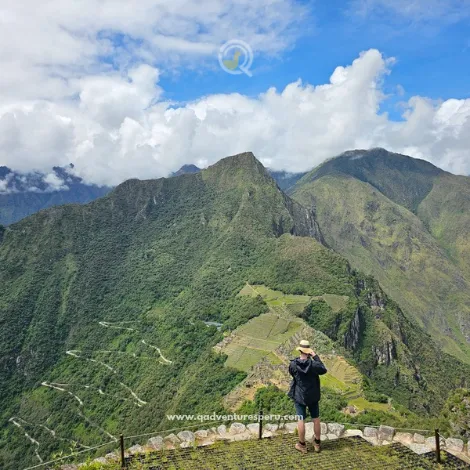
Responsible Tourism and Cultural Preservation
The mountain forms part of the Historic Sanctuary of Machu Picchu, a protected area recognized for its exceptional cultural and natural value. Preserving this environment requires cooperation between visitors, local communities, tourism operators, and conservation authorities.
Travelers should respect archaeological structures, avoid leaving waste, and follow designated routes. Even small actions can contribute to protecting fragile historical remains and the surrounding ecosystem.
Choosing authorized tourism services and respecting visitor limitations also supports responsible management of the destination. These regulations help reduce environmental pressure while ensuring that future generations can continue discovering this remarkable heritage site.
Responsible travel is not only about protecting monuments. It also means appreciating local culture, supporting regional businesses, and understanding the historical significance of the places we visit.
Discover Huayna Picchu with Q Adventures
Exploring the mountains surrounding Machu Picchu becomes even more meaningful when accompanied by knowledgeable professionals who understand the region’s history, geography, and cultural traditions.
Q Adventures offers travelers the opportunity to discover the extraordinary heritage of Peru through organized experiences designed to connect visitors with its archaeological treasures and natural landscapes.
With proper planning, reliable guidance, and attention to individual travel needs, visitors can enjoy a more enriching experience while exploring one of the most iconic mountain destinations in the Andes.
Whether you are interested in ancient architecture, spectacular photography, or challenging outdoor activities, this adventure provides an unforgettable perspective of the Inca world.
A View That Will Stay with You Forever
Huayna Picchu represents much more than a mountain overlooking Machu Picchu. It is a place where ancient engineering, extraordinary natural beauty, and the legacy of the Inca civilization come together.
From its impressive stone stairways to its breathtaking summit views, every section of the climb offers a new reason to appreciate the remarkable achievements of the ancient Andean world.
A huayna picchu tour is an unforgettable opportunity to experience Machu Picchu from a different perspective, challenge yourself, and create lasting memories in one of Peru’s most extraordinary destinations.
Let Q Adventures accompany you on your journey through the Andes and discover a view like no other, where history meets the clouds and every step brings you closer to the magic of Machu Picchu.