

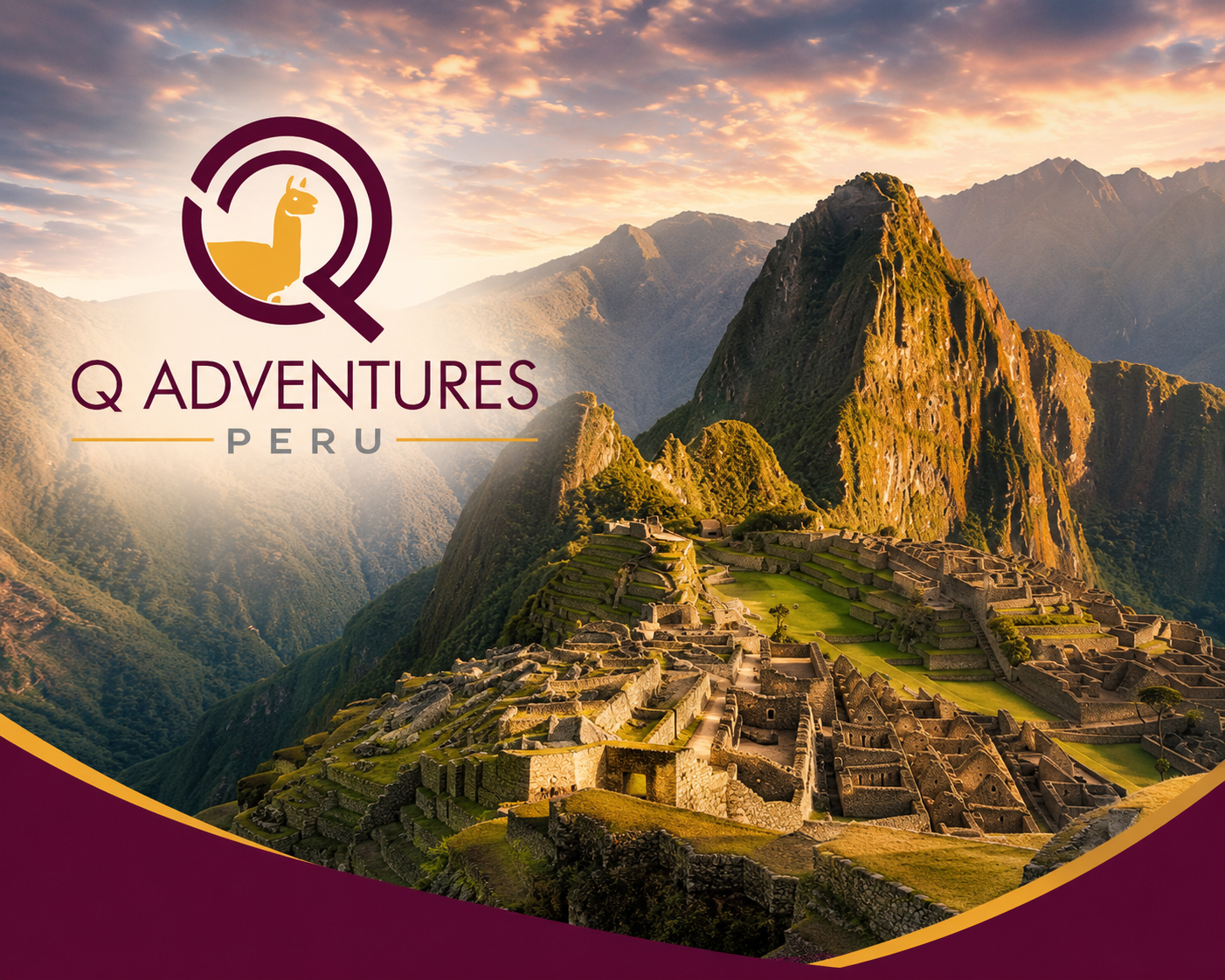
Machu Picchu is one of the world’s most celebrated archaeological treasures, but beyond its breathtaking scenery lies a fascinating story filled with mystery, innovation, and cultural significance. Perched high in the Peruvian Andes, this ancient Inca citadel continues to captivate historians, archaeologists, and travelers who seek to uncover the secrets hidden within its perfectly carved stone walls.
While millions of visitors admire its spectacular views each year, few fully understand the remarkable stories behind the ancient stones that have stood the test of time for more than five centuries.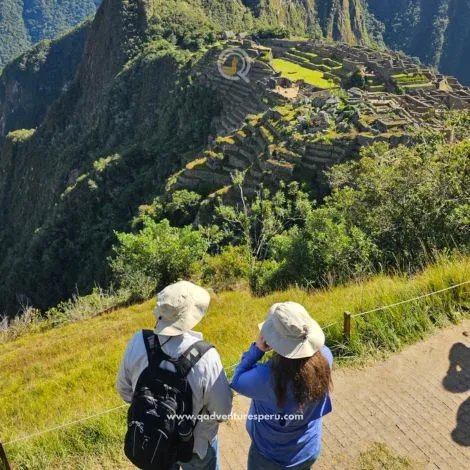
The Origins of Machu Picchu
Machu Picchu was built during the reign of the Inca emperor Pachacuti in the 15th century. Although historians continue to debate its exact purpose, many believe it served as a royal estate, ceremonial center, or sacred retreat reserved for the Inca elite.
Its strategic location among towering mountains provided natural protection while allowing the inhabitants to maintain a close spiritual connection with the surrounding landscape.
The site reflects the extraordinary vision and engineering expertise of one of the most advanced civilizations in the Americas.
The Incredible Stonework of the Incas
One of the greatest mysteries surrounding Machu Picchu is the precision of its stone construction. Massive granite blocks were carefully carved and fitted together without the use of mortar, creating structures capable of withstanding earthquakes that frequently affect the Andean region.
Each stone was shaped with remarkable accuracy, allowing the buildings to remain stable for centuries despite extreme weather and seismic activity.
This level of craftsmanship continues to inspire engineers and architects around the world.
Hidden Symbols and Sacred Spaces
Throughout Machu Picchu, visitors can discover temples, ceremonial platforms, and sacred stones that reveal the spiritual beliefs of the Inca civilization. Structures such as the Temple of the Sun and the Intihuatana Stone demonstrate the Incas’ advanced understanding of astronomy and their deep respect for nature.
Many researchers believe these spaces were carefully aligned with celestial events, reinforcing the connection between religion, science, and daily life.
Every corner of the citadel tells a story waiting to be explored.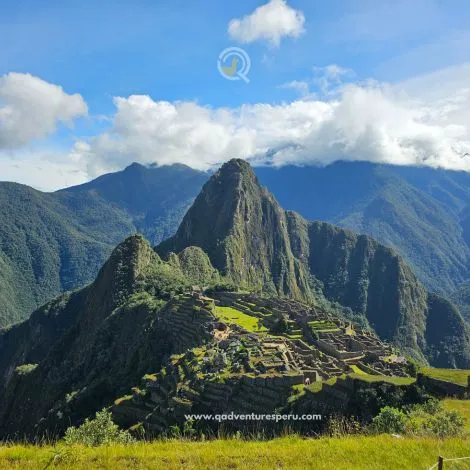
Life Inside the Ancient Citadel
Although Machu Picchu is often viewed as a monumental archaeological site, it was once a thriving community. Farmers cultivated agricultural terraces, priests performed religious ceremonies, and skilled craftsmen maintained the city’s impressive infrastructure.
An advanced water management system supplied fresh water through stone channels and fountains, demonstrating the Incas’ exceptional engineering abilities.
These innovations allowed the settlement to flourish in one of the world’s most challenging mountain environments.
Why the Mystery Continues Today?
Despite decades of archaeological research, Machu Picchu continues to reveal new discoveries. Modern technology has helped researchers better understand the site’s architecture, construction methods, and relationship with the surrounding mountains.
Each new finding contributes to a greater appreciation of Inca knowledge while preserving the mystery that makes the citadel so captivating.
The unanswered questions continue to inspire both scientists and travelers from around the globe.
Travel Tips for Exploring Machu Picchu
- Reserve entrance tickets several months before your visit.
- Arrive early to enjoy quieter walking circuits.
- Wear comfortable shoes with good grip.
- Bring water, sunscreen, and weather-appropriate clothing.
- Hire a certified guide to better understand the site’s history.
- Respect conservation rules to help preserve this UNESCO World Heritage Site.
Frequently Asked Questions
- Why is Machu Picchu considered mysterious?
Its exact purpose remains uncertain, and many aspects of its construction and ceremonial functions continue to be studied by researchers.
- How old is Machu Picchu?
The ancient citadel was built during the 15th century, approximately around the year 1450.
- Can visitors explore the entire site?
Access is organized through designated visitor circuits to help protect the archaeological complex.
- Is a guide recommended?
Yes. A knowledgeable guide provides valuable historical context and explains many of the site’s hidden details.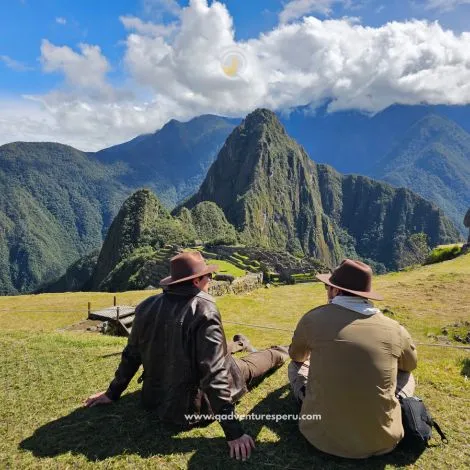
Conclusion
Machu Picchu is far more than an iconic tourist destination. Behind its ancient stones lies a remarkable story of innovation, spirituality, and cultural achievement that continues to inspire the world. From its extraordinary engineering and sacred architecture to the mysteries that remain unsolved, every visit offers a deeper appreciation of the Inca civilization. Exploring the hidden side of Machu Picchu transforms a simple sightseeing experience into an unforgettable journey through one of humanity’s greatest historical treasures.