

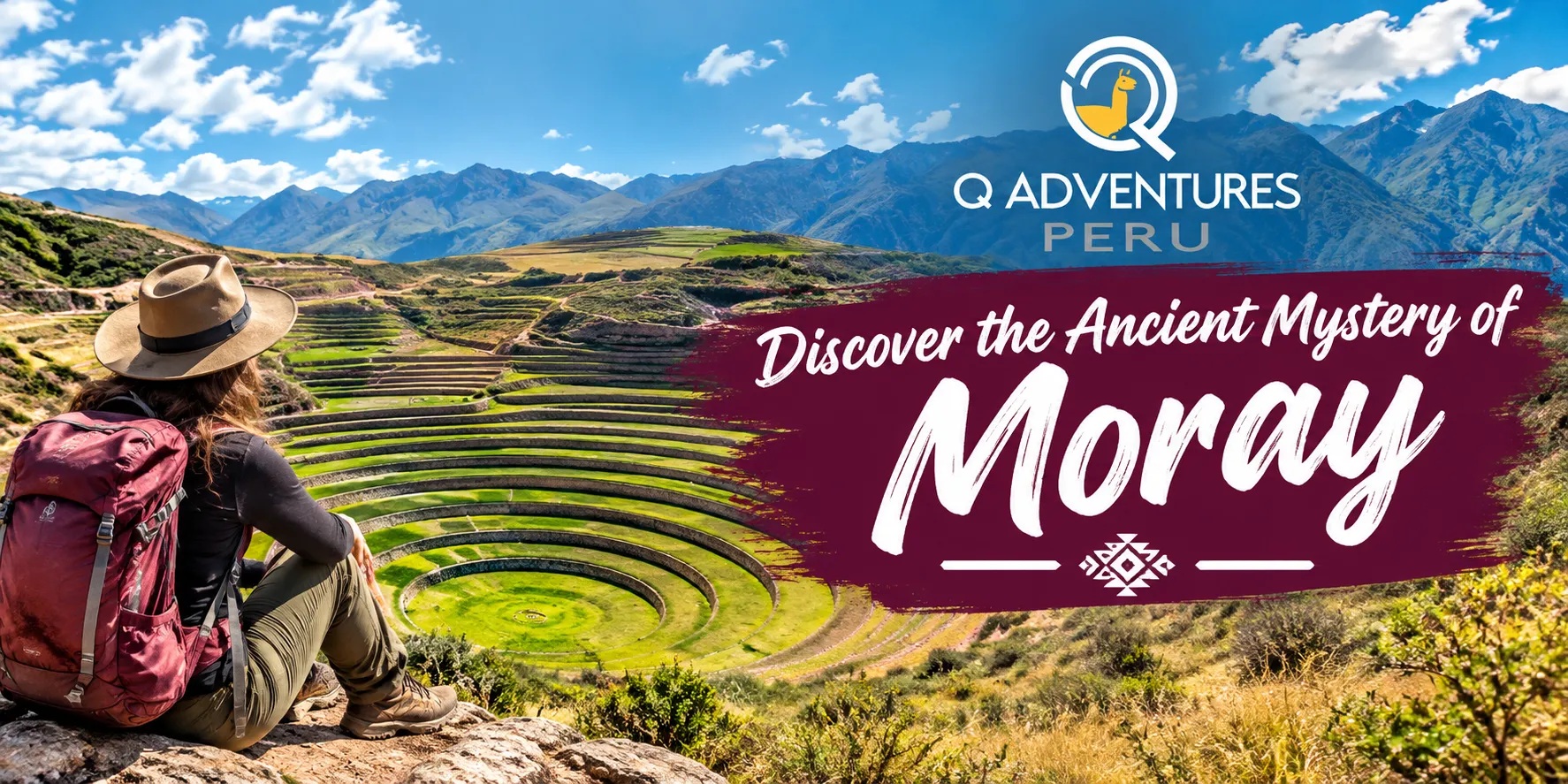
moray is one of the most fascinating archaeological sites in the Cusco region. Known for its enormous circular terraces carved into a natural depression, this remarkable Inca site continues to attract travelers interested in ancient engineering, agriculture, and the mysteries of Andean history.
Surrounded by rolling hills and dramatic mountain scenery, the site offers a unique experience that combines archaeological discovery with the beauty of the Sacred Valley.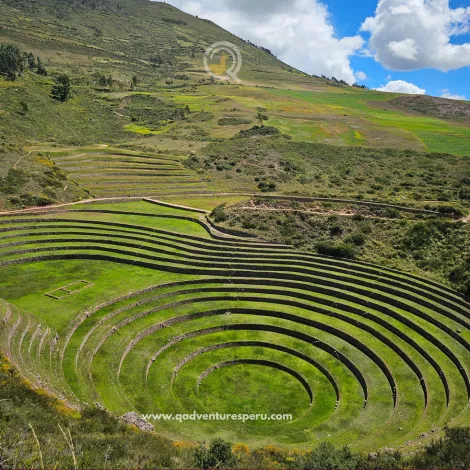
Explore the Circular Terraces
The most recognizable feature of moray is its series of concentric terraces. The circular formations descend gradually toward the center, creating an extraordinary landscape that looks almost like a natural amphitheater.
The terraces were carefully constructed and connected by stairways that extend down their sides.
The precision of the design demonstrates the remarkable planning abilities of Inca builders.
Discover the Mystery Behind the Site
One reason moray remains so intriguing is the uncertainty surrounding its exact original purpose. Researchers have proposed several theories, particularly related to agriculture and experimentation with different growing conditions.
The terraces experience variations in temperature and sunlight depending on their depth and position.
These differences may have been useful for studying crops in different microclimates.
Learn About Inca Agriculture
The agricultural importance of moray is one of the most widely discussed aspects of the site. The Incas developed sophisticated farming techniques to produce crops across challenging mountain environments.
The terraces may have helped create different growing conditions and demonstrate how closely agriculture was connected to engineering.
Visiting the site provides an opportunity to appreciate the ingenuity behind Andean farming systems.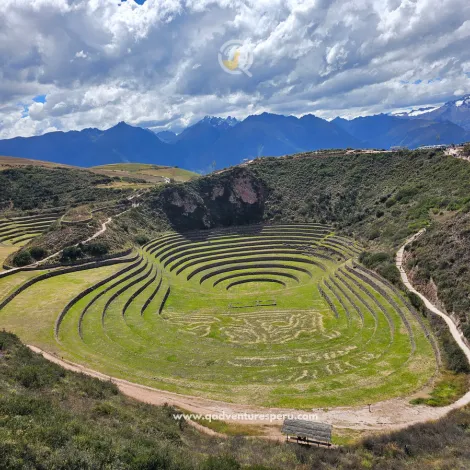
Admire the Natural Landscape
Beyond the archaeological structures, moray is surrounded by peaceful countryside and impressive Andean landscapes. Green hills, open valleys, and distant mountain peaks create a beautiful setting around the terraces.
The scenery changes throughout the year depending on the season and weather.
Travelers should take time to enjoy the landscape rather than focusing only on the archaeological site.
Combine Moray with Maras
A visit to moray is often combined with the nearby Maras Salt Mines. The two attractions provide contrasting examples of how Andean communities have used the landscape for centuries.
While the circular terraces highlight agricultural engineering, the salt pools demonstrate traditional methods of salt production.
Together, they create a fascinating cultural excursion from Cusco.
Experience the Sacred Valley Region
Exploring moray can also be part of a broader journey through the Sacred Valley. Nearby destinations such as Chinchero, Pisac, and Ollantaytambo offer additional opportunities to discover archaeological sites, traditional communities, and Andean culture.
The region provides a diverse combination of history, nature, and living traditions.
Travelers can create an itinerary that combines several attractions in one day or across multiple excursions.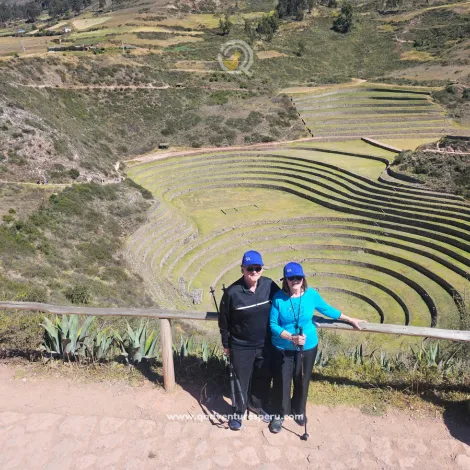
Plan Your Visit
Before visiting moray, travelers should consider the altitude, weather, and walking conditions. The site is located at a high elevation, so spending time acclimatizing in Cusco can help make the experience more comfortable.
Comfortable shoes, sunscreen, water, and layered clothing are recommended.
Early visits can provide pleasant temperatures and excellent opportunities for photography.
Travel Tips
- Allow time to acclimatize before visiting high-altitude attractions.
- Wear comfortable shoes for walking around the terraces.
- Bring sunscreen, sunglasses, and a hat.
- Carry water and layered clothing.
- Combine the visit with nearby attractions when possible.
- Respect archaeological structures and designated visitor areas.
Frequently Asked Questions
- What is Moray famous for?
It is famous for its large circular agricultural terraces built by the Incas and their unusual design.
- Why did the Incas build the terraces?
The exact purpose remains debated. Agricultural experimentation and the study of different growing conditions are among the main theories.
- Can Moray be visited from Cusco?
Yes. The archaeological site can be visited as part of a day trip from Cusco, often combined with Maras and other Sacred Valley attractions.
- What should I bring?
Water, sunscreen, comfortable walking shoes, a hat, and layers are useful because weather conditions can change quickly in the Andes.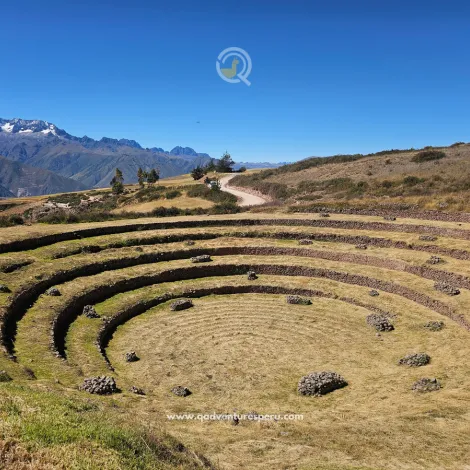
Conclusion
moray offers a fascinating glimpse into the ingenuity of the Inca civilization. Its enormous circular terraces, mysterious purpose, agricultural connections, and beautiful surroundings make it an important destination for travelers exploring the Cusco region.
Whether visited independently or combined with Maras and other Sacred Valley attractions, the site provides a memorable opportunity to discover the relationship between ancient engineering, agriculture, and the Andean landscape.