

The region of Cusco is famous not only for its impressive archaeological sites and breathtaking landscapes but also for its vibrant cultural heritage. Travelers who participate in cusco tours often discover that the true magic of the Andes lies in its living traditions, ancestral customs, and welcoming communities. Along routes such as the Huchuy Qosqo Trek, visitors have the opportunity to experience a unique combination of history, culture, and natural beauty.
For travelers from the United States, Puerto Rico, and other parts of the world, exploring the traditions of Cusco offers a deeper understanding of the people who have preserved their heritage for centuries.
The Cultural Importance of Cusco
Many cusco tours focus on the region’s role as the historic capital of the Inca Empire. For centuries, Cusco served as the political, religious, and cultural center of one of the most advanced civilizations in the Americas.
Today, the city remains a place where ancient traditions coexist with modern life. Visitors can observe Inca influences in architecture, festivals, language, and daily customs throughout the region.
This unique blend of past and present makes Cusco one of the most culturally significant destinations in South America.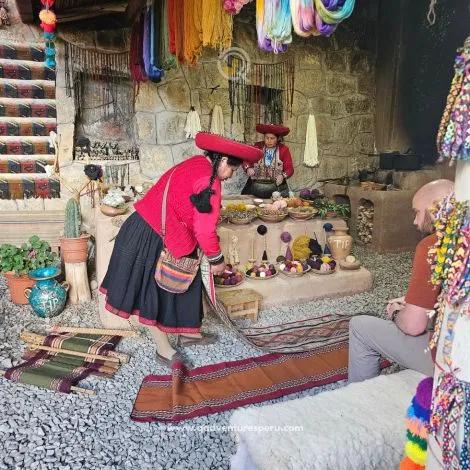
Traditional Communities Along the Huchuy Qosqo Route
One of the highlights of many cusco tours is the opportunity to visit traditional Andean communities. The Huchuy Qosqo Trek passes through rural areas where local families continue to practice agricultural methods and customs that have been preserved for generations.
Visitors may encounter farmers working terraced fields, herders caring for alpacas and llamas, and artisans producing handmade textiles using traditional techniques.
These interactions provide authentic cultural experiences that enrich the trekking adventure.
Andean Festivals and Celebrations
Many travelers who join cusco tours are fascinated by the colorful festivals celebrated throughout the region. These events reflect a blend of Inca traditions and Spanish colonial influences.
Festivals often feature traditional music, dance performances, elaborate costumes, and community gatherings. Inti Raymi, the Festival of the Sun, is one of the most famous celebrations and attracts visitors from around the world.
Participating in local festivities offers valuable insight into the spiritual and cultural life of the Andes.
Traditional Textiles and Artisan Heritage
Handwoven textiles are among the most recognizable symbols of Andean culture. During various cusco tours, travelers can visit artisan communities where weaving remains an important part of daily life.
Many textiles are created using natural dyes and traditional techniques passed down through generations. The designs often represent local stories, agricultural cycles, and cultural beliefs.
Supporting local artisans helps preserve these important traditions while contributing to community development.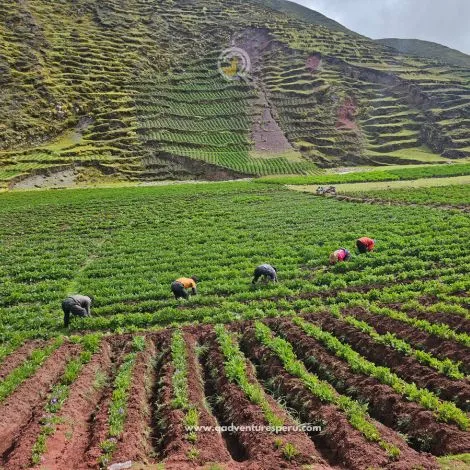
Local Cuisine and Cultural Identity
Food plays a significant role in many cusco tours and offers another way to connect with local culture. Traditional dishes often feature ingredients cultivated in the Andes for centuries.
Popular foods include quinoa, potatoes, corn, alpaca meat, and various regional specialties. Local markets and family-run restaurants provide excellent opportunities to experience authentic flavors.
Gastronomy reflects the region’s history, environment, and cultural diversity.
Tips for Respectfully Experiencing Local Traditions
- Show respect for local customs and cultural practices.
- Ask permission before photographing people.
- Support community-based tourism initiatives.
- Purchase handmade products directly from local artisans.
- Learn about regional traditions before your visit.
- Engage with community members in a respectful and friendly manner.
Frequently Asked Questions
- What cultural experiences are included in cusco tours?
Many tours include visits to local communities, artisan workshops, traditional markets, and historical sites.
- Can visitors learn about traditional weaving?
Yes, several communities offer demonstrations and workshops that explain weaving techniques and textile production.
- Are local festivals open to tourists?
Many festivals welcome visitors and provide an excellent opportunity to experience Andean culture.
- Why is Cusco culturally important?
Cusco was the capital of the Inca Empire and remains a center of cultural traditions that continue to shape the region today.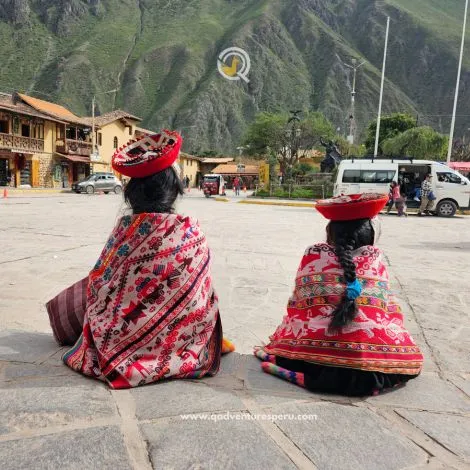
Conclusion
The Huchuy Qosqo Trek offers much more than stunning landscapes and ancient ruins. Through carefully designed cusco tours, travelers can immerse themselves in the rich cultural traditions, customs, and daily life of the Andes. From artisan communities and colorful festivals to traditional cuisine and ancestral knowledge, every experience helps create a deeper connection with one of Peru’s most fascinating regions. Exploring the cultural heritage of Cusco transforms a simple trip into a truly meaningful journey.