

Introduction
The Inca Empire was not only one of the largest and most powerful civilizations in South America, but also one of the most fascinating in terms of religion, mythology, and spiritual beliefs. The Incas believed that nature, the sun, the moon, and the mountains were sacred and controlled the balance of life.
Understanding the religion of the Inca Empire helps us better understand Machu Picchu, Cusco, and many of the archaeological sites that still exist today. In this article, you will discover the main gods, beliefs, and traditions of the ancient Inca civilization.
Main gods of the Inca Empire
Religion in the Inca Empire was polytheistic, meaning the Incas worshipped many gods. Most of their gods were related to nature and the cosmos.
Here are the most important gods of the Inca civilization:
✔️ 1. Inti – The Sun God
Inti was the most important god in the Inca Empire. The Incas believed the emperor was the “son of the Sun.”
Inti was:
- The god of the sun and light
- The protector of the Inca people
- The most worshipped deity in the empire
The famous Coricancha Temple in Cusco was dedicated to Inti and was covered in gold to reflect sunlight.
✔️ 2. Viracocha – The Creator God
Viracocha was considered the creator of the world, the sun, the moon, and all living beings.
According to Inca mythology:
- Viracocha created humanity
- He created the mountains, rivers, and animals
- He taught people how to live
- Then he disappeared across the ocean
Viracocha was one of the most mysterious and powerful gods of the Inca Empire.
✔️ 3. Pachamama – Mother Earth
Pachamama, or Mother Earth, was one of the most important deities for everyday life.
The Incas believed Pachamama:
- Controlled agriculture and harvests
- Protected nature
- Provided food and water
- Needed offerings to maintain balance
Even today in Peru, many people still make offerings to Pachamama in the Andes.
✔️ 4. Mama Quilla – The Moon Goddess
Mama Quilla was the goddess of the moon and was very important for the Inca calendar and agriculture.
She was:
- The protector of women
- Associated with marriage and fertility
- Responsible for the lunar calendar
The Incas used the moon cycles to organize farming and religious ceremonies.
Religious traditions in the Inca Empire
Religion was part of everyday life in the Inca Empire. The Incas performed ceremonies, festivals, and offerings to honor their gods and maintain harmony with nature.
Some important traditions included:
✔️ Offerings to the gods
The Incas offered:
- Food
- Corn
- Chicha (corn drink)
- Textiles
- Animals
- Sometimes human sacrifices (in very special ceremonies)
These offerings were made to mountains, rivers, the sun, and Pachamama.
✔️ Sacred mountains (Apus)
The Incas believed that mountains were sacred spirits called Apus that protected the people and the land.
Many important archaeological sites were built near sacred mountains.
✔️ Religious festivals
One of the most important festivals was Inti Raymi, the Festival of the Sun, celebrated in Cusco every year.
This festival honored Inti and celebrated the winter solstice.
Mythology of the Inca Empire
The Inca Empire had many myths and legends that explained the origin of the world and the Inca people.
One famous legend says that:
- The first Incas were sent by the Sun God
- They emerged from Lake Titicaca
- They traveled until they found a place where a golden staff sank into the ground
- That place became Cusco, the capital of the Inca Empire
These myths were very important because they explained the divine origin of the Inca rulers.
Importance of religion in the Inca Empire
Religion in the Inca Empire was not separate from politics or daily life. Everything was connected.
Religion influenced:
- Agriculture
- Architecture
- Government
- Festivals
- Social organization
- Astronomy
- Medicine
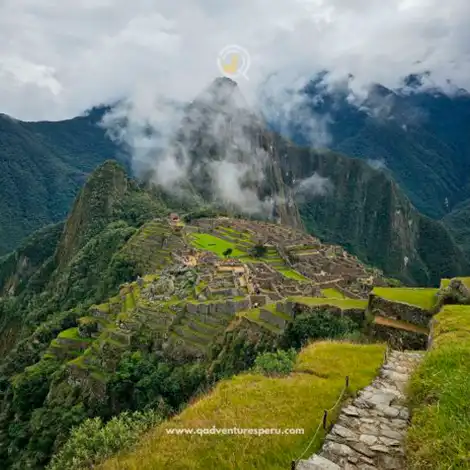
Many famous sites like Machu Picchu were likely used as religious and ceremonial centers.
Conclusion
The religion, myths, and traditions of the Inca Empire were a fundamental part of this powerful civilization. The Incas worshipped the sun, the moon, the earth, and the mountains, and believed that nature was sacred and full of spiritual power.
Today, many of these traditions are still alive in the Andes, and visitors to Peru can still see the influence of the Inca Empire in Cusco, Machu Picchu, and the Sacred Valley. Learning about their gods and beliefs helps us better understand one of the most fascinating civilizations in human history.