

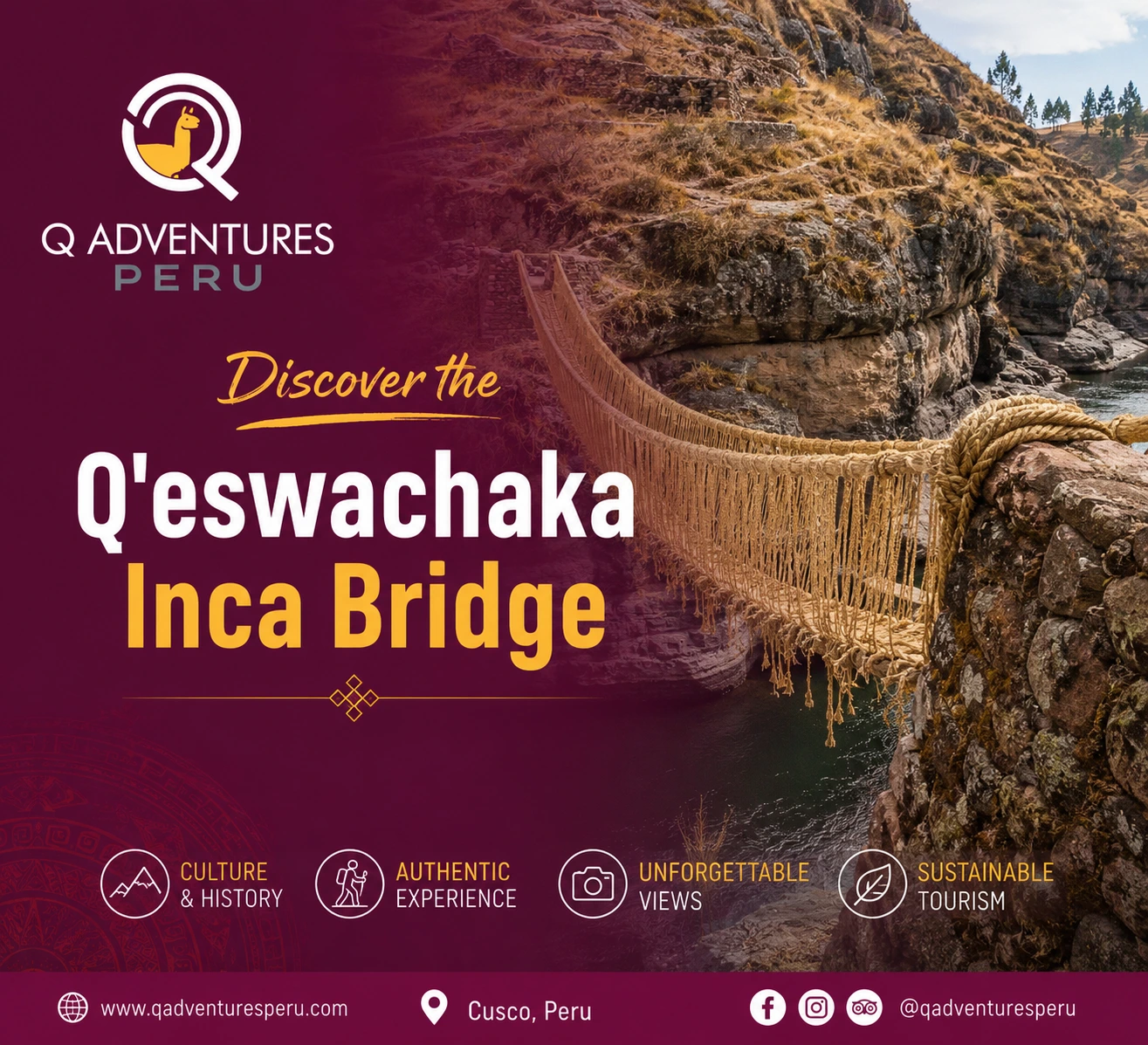
Q eswachaka is one of Peru’s most remarkable cultural treasures and the last surviving Inca rope bridge that continues to be rebuilt using traditional techniques. Located high above the Apurímac River, this extraordinary bridge represents centuries of living heritage, engineering, and community cooperation. Visiting Q’eswachaka offers travelers a unique opportunity to experience an ancient tradition that remains alive today.
Surrounded by spectacular Andean landscapes, the bridge is a fascinating destination for history lovers, photographers, and cultural explorers.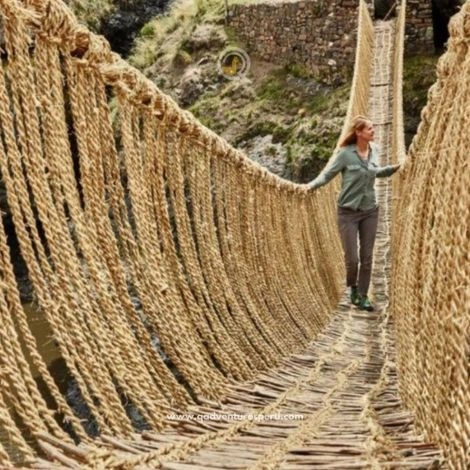
The History of Q’eswachaka
The q eswachaka bridge was originally part of the vast Inca road network that connected different regions of the empire. Built entirely from woven ichu grass, the bridge has been reconstructed every year for generations using the same ancestral methods passed down through local communities.
This remarkable tradition has preserved an important piece of Inca engineering for centuries.
It remains one of Peru’s most extraordinary examples of living cultural heritage.
A UNESCO Cultural Tradition
The annual reconstruction of q eswachaka is carried out by neighboring communities working together in a ceremony that combines engineering, culture, music, and traditional rituals. This ancestral practice has been recognized internationally for preserving valuable Indigenous knowledge.
Visitors have the opportunity to witness an extraordinary example of community cooperation and cultural continuity.
The experience offers a deeper appreciation for Peru’s living traditions.
Experience the Incredible Landscape
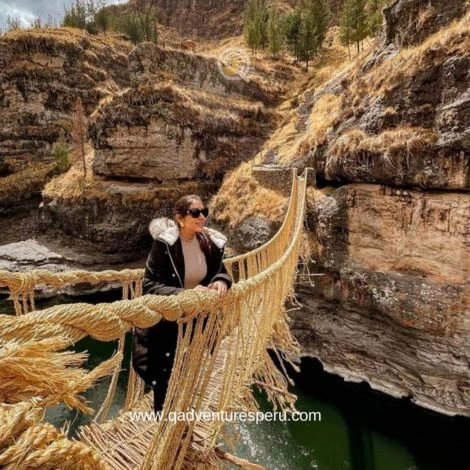
Beyond its historical importance, q eswachaka is surrounded by breathtaking mountain scenery, deep canyons, and peaceful Andean valleys. Crossing the bridge provides both excitement and spectacular panoramic views of the Apurímac River below.
The dramatic natural environment makes the journey just as memorable as the bridge itself.
Photographers will find endless opportunities to capture unique landscapes.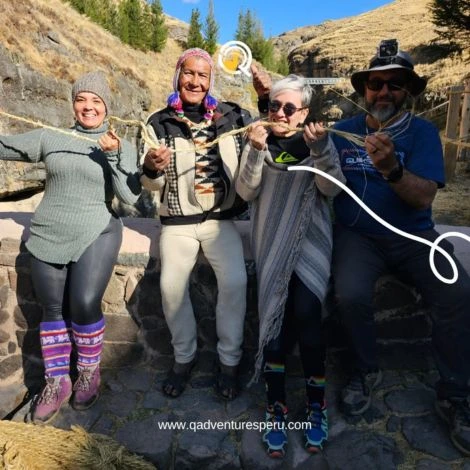
How the Bridge Is Built
Every year, local families gather to rebuild q eswachaka entirely by hand using braided ichu grass collected from the surrounding highlands. The process takes several days and follows techniques that have remained virtually unchanged since Inca times.
The collective effort reflects the importance of cooperation within traditional Andean communities.
This annual reconstruction is both a practical necessity and a cultural celebration.
Planning Your Visit
A visit to q eswachaka is usually included as a full-day excursion from Cusco. The route passes through beautiful highland villages, lakes, and mountain landscapes before reaching the famous bridge.
Travelers should wear comfortable clothing, bring warm layers, and prepare for high-altitude conditions.
The journey offers an excellent opportunity to experience rural Peru beyond the most popular tourist destinations.
Travel Tips
- Acclimatize in Cusco before visiting high-altitude areas.
- Wear comfortable walking shoes.
- Bring sunscreen, sunglasses, and a hat.
- Carry water and snacks for the journey.
- Bring a camera to capture the impressive scenery.
- Respect local customs and community traditions.

Frequently Asked Questions
- Where is Q’eswachaka located?
The bridge is located in the Cusco region, spanning the Apurímac River in the Andes.
- Why is Q’eswachaka famous?
It is the last traditional Inca rope bridge that is rebuilt annually using ancient construction techniques.
- Can visitors cross the bridge?
Yes. Visitors are generally allowed to carefully walk across the bridge during most of the year.
- When is the bridge rebuilt?
The reconstruction ceremony usually takes place once each year with the participation of local communities.
Conclusion
Q eswachaka is far more than a bridge—it is a living symbol of Inca engineering, cultural identity, and community tradition. From its breathtaking mountain setting to its remarkable annual reconstruction, every visit offers a unique opportunity to experience one of Peru’s most extraordinary cultural landmarks. It is an unforgettable destination for anyone interested in history, heritage, and authentic Andean culture.