

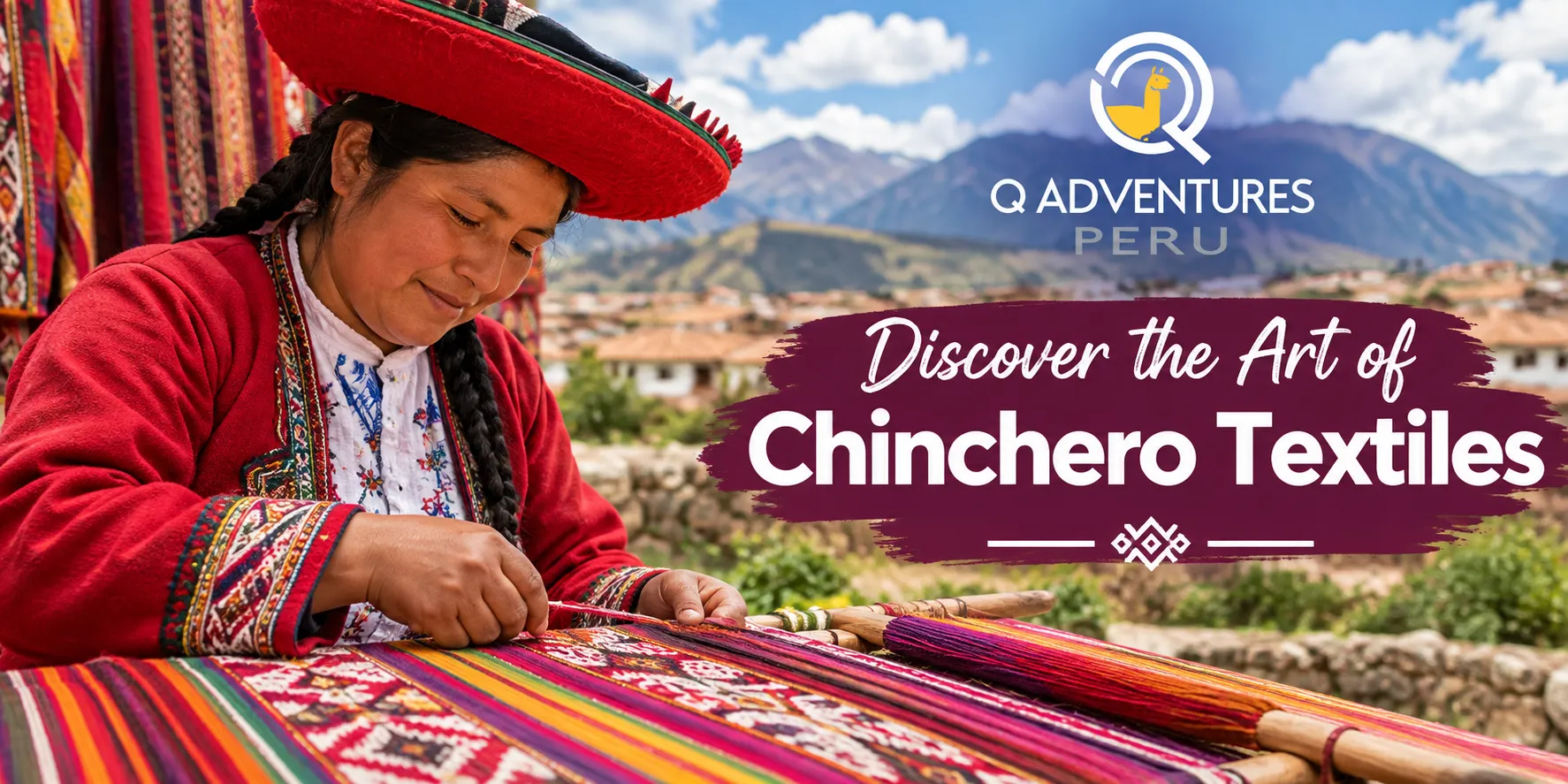
textiles from chincheros represent one of the most fascinating expressions of Andean cultural heritage. In the highlands of Cusco, local artisans continue preserving traditional weaving techniques, natural dyes, symbolic designs, and ancestral knowledge passed from one generation to another.
Discovering this textile tradition offers travelers more than beautiful handmade products. It provides an opportunity to understand the relationship between Andean communities, nature, history, and everyday life.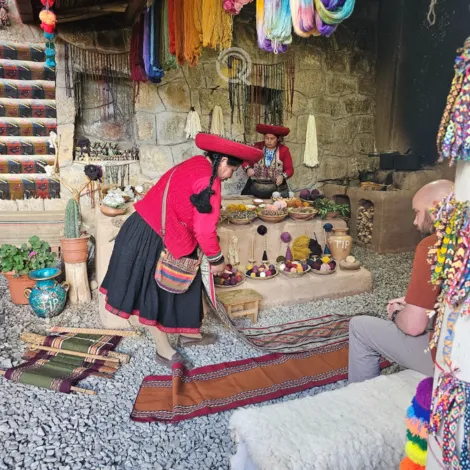
Discover the Textile Heritage of Chinchero
The tradition behind textiles from chincheros has deep roots in the cultural history of the Andes. Chinchero is known for its weaving communities, where families continue creating colorful textiles using techniques learned from their ancestors.
Weaving is not simply a craft. It is an important way of preserving stories, identity, and community traditions.
Visitors can observe artisans working with remarkable patience and precision.
Learn About Traditional Weaving
One of the most interesting aspects of textiles from chincheros is the traditional weaving process. Artisans carefully prepare fibers, create yarn, select colors, and work on looms to produce intricate patterns.
Each stage requires experience and attention to detail.
Traditional methods continue to coexist with contemporary designs created for modern travelers.
Explore Natural Dyes
The vibrant colors found in textiles from chincheros are often created using natural materials. Plants, flowers, roots, minerals, and other local resources can be used to produce different shades.
Artisans have developed extensive knowledge about these materials and the techniques needed to obtain lasting colors.
This connection with the natural environment is an important part of Andean textile culture.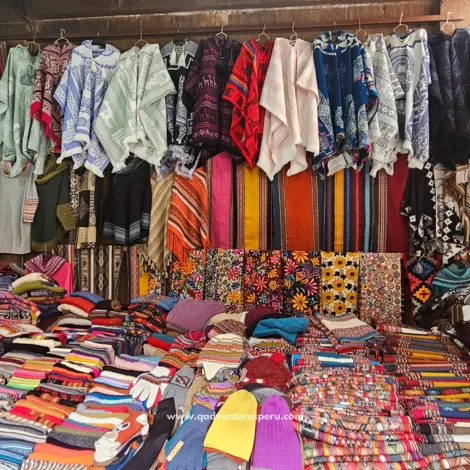
Understand the Meaning of Andean Designs
Many textiles from chincheros feature geometric shapes, animals, plants, and other motifs connected to Andean culture. These designs can reflect local traditions, landscapes, beliefs, and relationships with nature.
The combination of colors and patterns gives each piece a distinctive identity.
Learning about these elements can make a handmade textile much more meaningful.
Meet Local Artisans
Experiencing textiles from chincheros directly in the community allows travelers to meet the people who keep these traditions alive. Demonstrations often show how raw materials are transformed into finished textiles through several careful stages.
Visitors can ask questions and learn about the techniques used by different families.
Purchasing directly from artisans can also help support local creative economies.
Choose Authentic Handmade Textiles
When buying textiles from chincheros, travelers can look for handmade pieces created by local artisans. Blankets, scarves, belts, bags, and decorative pieces are among the products commonly available.
Ask about the materials, production process, and origin of the piece before making a purchase.
Choosing authentic handmade products helps recognize the time and skill involved in traditional weaving.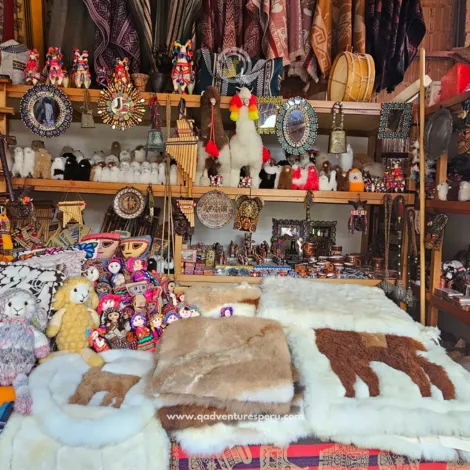
Combine Culture with a Visit to Chinchero
A visit focused on textiles from chincheros can be combined with other attractions in the area. Chinchero is also known for its archaeological remains, colonial church, traditional market, and beautiful mountain surroundings.
This makes it possible to experience history, culture, craftsmanship, and nature during the same excursion.
The destination provides an authentic perspective of life in the Cusco region.
Travel Tips
- Take time to observe the weaving process.
- Ask artisans about the materials and techniques used.
- Support local families by purchasing authentic handmade products.
- Ask permission before photographing artisans.
- Respect local customs and community spaces.
- Bring cash for small purchases when visiting local markets.
Frequently Asked Questions
- What makes Chinchero textiles special?
They are known for traditional weaving techniques, vibrant colors, detailed patterns, and cultural knowledge preserved by local communities.
- Are natural dyes still used?
Yes. Many artisans continue using natural materials to create traditional colors, although practices can vary between workshops and communities.
- Can visitors see artisans weaving?
Yes. Several community experiences and workshops allow travelers to observe demonstrations and learn about traditional techniques.
- What can I buy in Chinchero?
Visitors can find handmade scarves, blankets, bags, belts, decorative textiles, and other traditional crafts.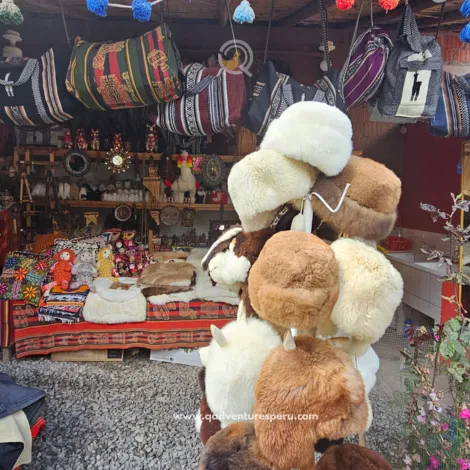
Conclusion
textiles from chincheros offer a beautiful window into the cultural heritage of the Peruvian Andes. Through traditional weaving, natural dyes, symbolic patterns, and direct encounters with local artisans, travelers can discover how ancient knowledge continues to shape everyday life in Chinchero.
Exploring this living tradition creates a meaningful cultural experience while supporting the artisans who dedicate their skills to preserving Andean textile heritage.