

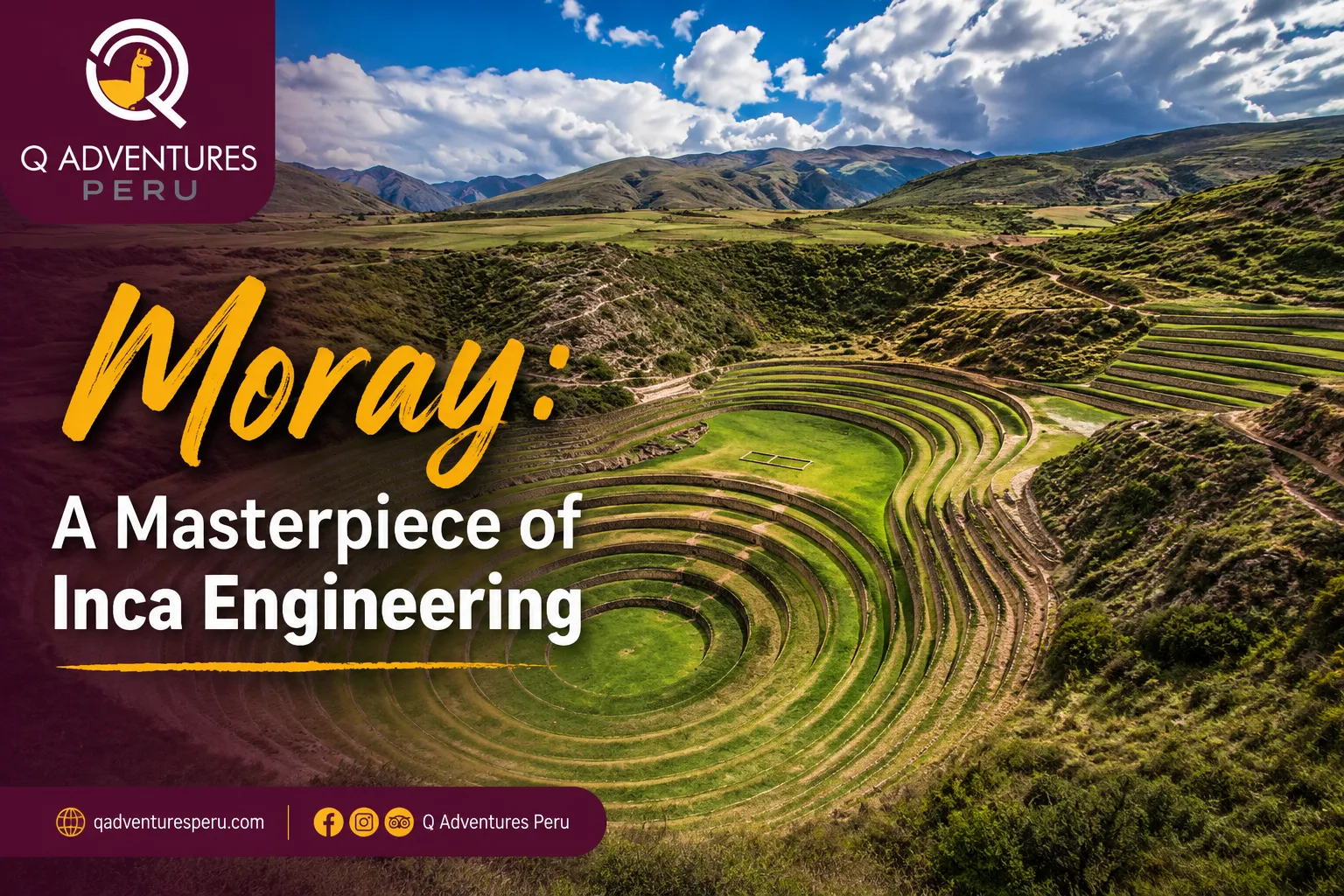
Moray is one of the most fascinating archaeological sites in the Sacred Valley of Peru. Known for its enormous circular terraces carved into the earth, this remarkable Inca site demonstrates the advanced engineering and agricultural knowledge of an ancient civilization. Its unusual design continues to attract travelers interested in history, nature, and the mysteries of the Andes.
Located among spectacular mountain landscapes, the site offers a unique experience that combines archaeology, innovation, and breathtaking scenery.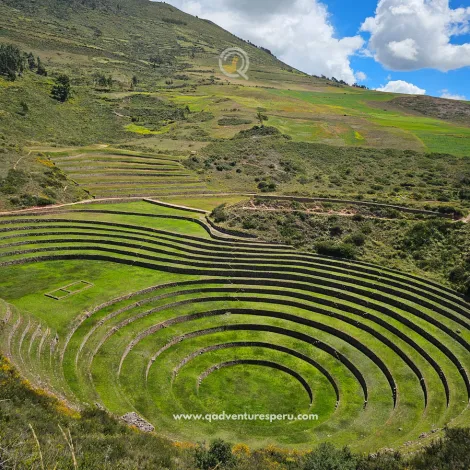
Discover the Circular Terraces
The most recognizable feature of Moray is its series of concentric terraces descending into natural depressions in the landscape. The largest terraces create an impressive visual effect that makes the site unlike other Inca archaeological complexes.
The carefully designed structures demonstrate how the Incas adapted their architecture to the natural environment.
Walking around the terraces provides different perspectives of this extraordinary achievement.
Explore Inca Agricultural Innovation
Many researchers believe Moray was connected to agricultural experimentation. The different terrace levels may have created variations in temperature and growing conditions, allowing the Incas to study how crops responded to different environments.
This possible agricultural function highlights the sophisticated knowledge developed by Andean communities.
Native crops such as potatoes and other Andean plants were essential to the region’s agricultural traditions.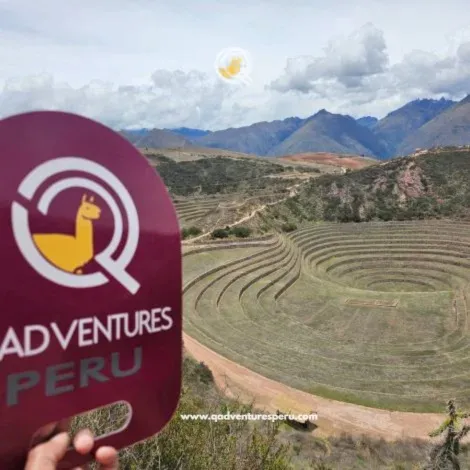
Admire the Natural Setting
Beyond its archaeological importance, Moray is surrounded by beautiful Andean scenery. Rolling hills, agricultural fields, and distant mountain peaks create a peaceful setting that makes the visit especially enjoyable.
The contrast between the geometric terraces and the surrounding countryside is ideal for photography.
Clear days offer impressive views across the Sacred Valley.
Learn About Inca Engineering
The construction of Moray demonstrates the Incas’ ability to work with challenging landscapes. The terraces were carefully positioned within natural formations, while sophisticated drainage systems helped manage water and protect the structures.
This combination of architecture, agriculture, and environmental adaptation reflects the ingenuity of Inca engineering.
The site remains an important example of ancient innovation.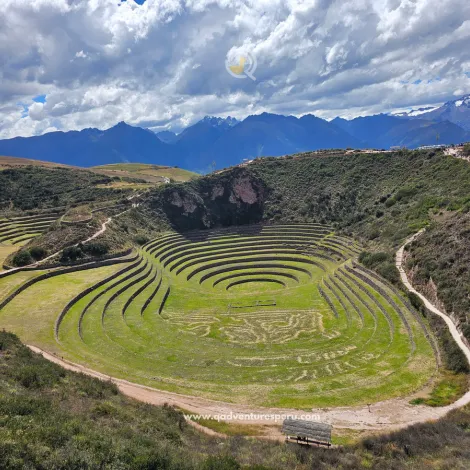
Combine Moray with Nearby Attractions
A visit to Moray can easily be combined with other attractions in the Sacred Valley. The Maras Salt Mines are located nearby and offer another fascinating example of traditional Andean resource management.
Travelers can also visit traditional communities and enjoy scenic routes through the surrounding countryside.
Combining several attractions creates a complete cultural experience.
Travel Tips
- Wear comfortable shoes for walking around the terraces.
- Bring sunscreen, sunglasses, and a hat.
- Carry water, especially during sunny days.
- Acclimatize in Cusco before visiting high-altitude attractions.
- Consider hiring a local guide to understand the site’s history.
- Respect archaeological structures and local communities.
Frequently Asked Questions
- Where is Moray located?
It is located in the Sacred Valley of the Cusco region, surrounded by beautiful Andean landscapes.
- What was Moray used for?
Researchers believe the terraces may have been used for agricultural experimentation, although their exact purpose remains a subject of study.
- Can Moray be visited with the Maras Salt Mines?
Yes. The two attractions are close to each other and are frequently included in the same excursion.
- How long does a visit take?
Most travelers spend approximately one hour exploring the archaeological complex.
Conclusion
Moray is a remarkable example of Inca engineering, agricultural innovation, and harmony with the natural environment. Its extraordinary circular terraces, fascinating history, and spectacular surroundings make it an essential destination for anyone exploring the Sacred Valley and seeking a deeper understanding of Peru’s ancient heritage.