


experiential tourism offers travelers a meaningful way to discover the living traditions, daily life, and cultural heritage of the Peruvian Andes. Instead of simply visiting popular attractions, this type of journey allows visitors to connect with local communities, participate in traditional activities, and understand the customs that have shaped Andean life for generations.
From traditional farming and weaving to authentic cuisine and community celebrations, every encounter creates a deeper connection with Peru.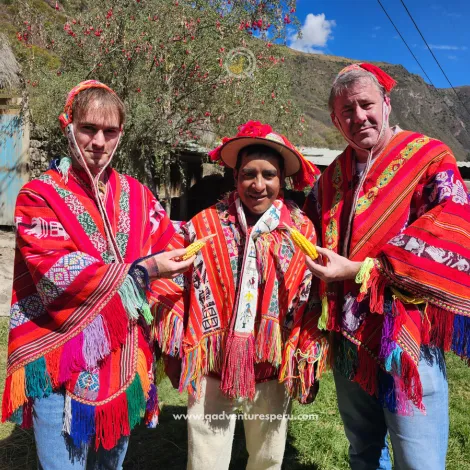
Connect with Local Communities
One of the greatest benefits of experiential tourism is the opportunity to meet local families and learn directly from their daily experiences. Visitors can discover how communities maintain their traditions while adapting to modern life.
These personal encounters offer a genuine perspective that is difficult to experience through conventional sightseeing.
Local hospitality often becomes one of the most memorable parts of the journey.
Discover Ancient Andean Traditions
Through experiential tourism, travelers can learn about traditional weaving, agriculture, music, and ceremonies that remain important in Andean communities. Many of these practices have been passed from one generation to the next.
Watching artisans create textiles or learning about traditional farming methods provides valuable cultural insight.
Each activity reveals a different aspect of Andean heritage.
Taste Authentic Andean Cuisine
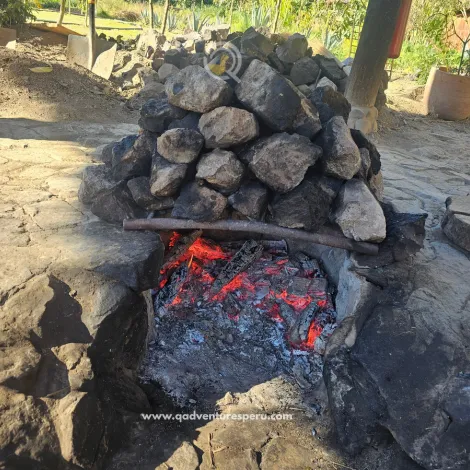
Food is an important part of experiential tourism because traditional recipes offer a direct connection to local culture. Visitors can discover dishes prepared with native ingredients such as potatoes, corn, quinoa, trout, and regional herbs.
Sharing a meal with local families can make the culinary experience even more special.
Every dish reflects the agricultural traditions of the surrounding region.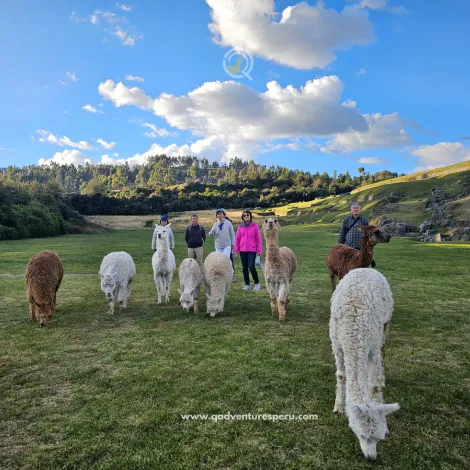
Learn Through Hands-On Experiences
A memorable experiential tourism experience encourages travelers to participate rather than simply observe. Depending on the community and itinerary, activities may include cooking demonstrations, weaving workshops, farming experiences, or traditional craft sessions.
These hands-on activities create meaningful interactions between visitors and residents.
They also provide opportunities to learn skills connected to everyday Andean life.
Support Sustainable Travel
Choosing experiential tourism can help support local economies while encouraging the preservation of cultural traditions. Community-based experiences can provide income for families, artisans, guides, and small local businesses.
Travelers can contribute by purchasing authentic handmade products and respecting community customs.
Responsible choices help protect cultural heritage for future generations.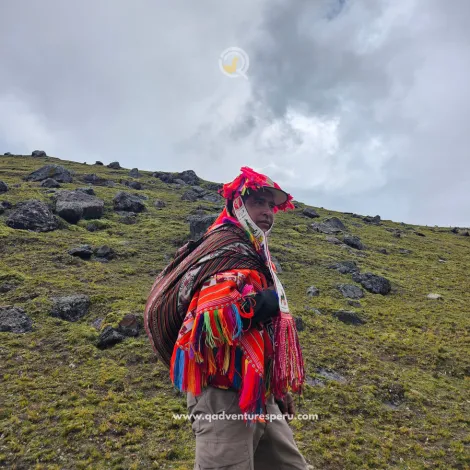
Prepare for Your Cultural Experience
Before participating in experiential tourism, travelers should learn about local customs and prepare for different weather and altitude conditions. Comfortable clothing, respectful behavior, and an open mind can make cultural encounters more rewarding.
Taking photographs should always be done respectfully and with permission when appropriate.
A willingness to listen and participate can transform a simple visit into a meaningful cultural exchange.
Travel Tips
- Respect local traditions and community guidelines.
- Ask permission before photographing people.
- Support local artisans and family-owned businesses.
- Bring comfortable clothing suitable for the Andes.
- Learn a few basic Spanish or Quechua expressions.
- Choose responsible tourism providers whenever possible.

Frequently Asked Questions
- What is experiential tourism?
It is a style of travel focused on active participation, cultural exchange, and meaningful connections with local communities.
- What activities can travelers experience?
Activities may include traditional cooking, weaving, farming, handicrafts, cultural demonstrations, and community visits.
- Is experiential tourism suitable for families?
Yes. Many cultural activities can be adapted for families, couples, and travelers of different ages.
- How does it benefit local communities?
It can generate income for local families and businesses while encouraging the preservation of cultural traditions.
Conclusion
experiential tourism provides a unique opportunity to step into the heart of Andean life and experience Peru through its people, traditions, cuisine, and daily customs. By participating respectfully and supporting local communities, travelers can create authentic memories while contributing to the preservation of the rich cultural heritage of the Andes.